
By Manjot Kaur · 18 October 2026
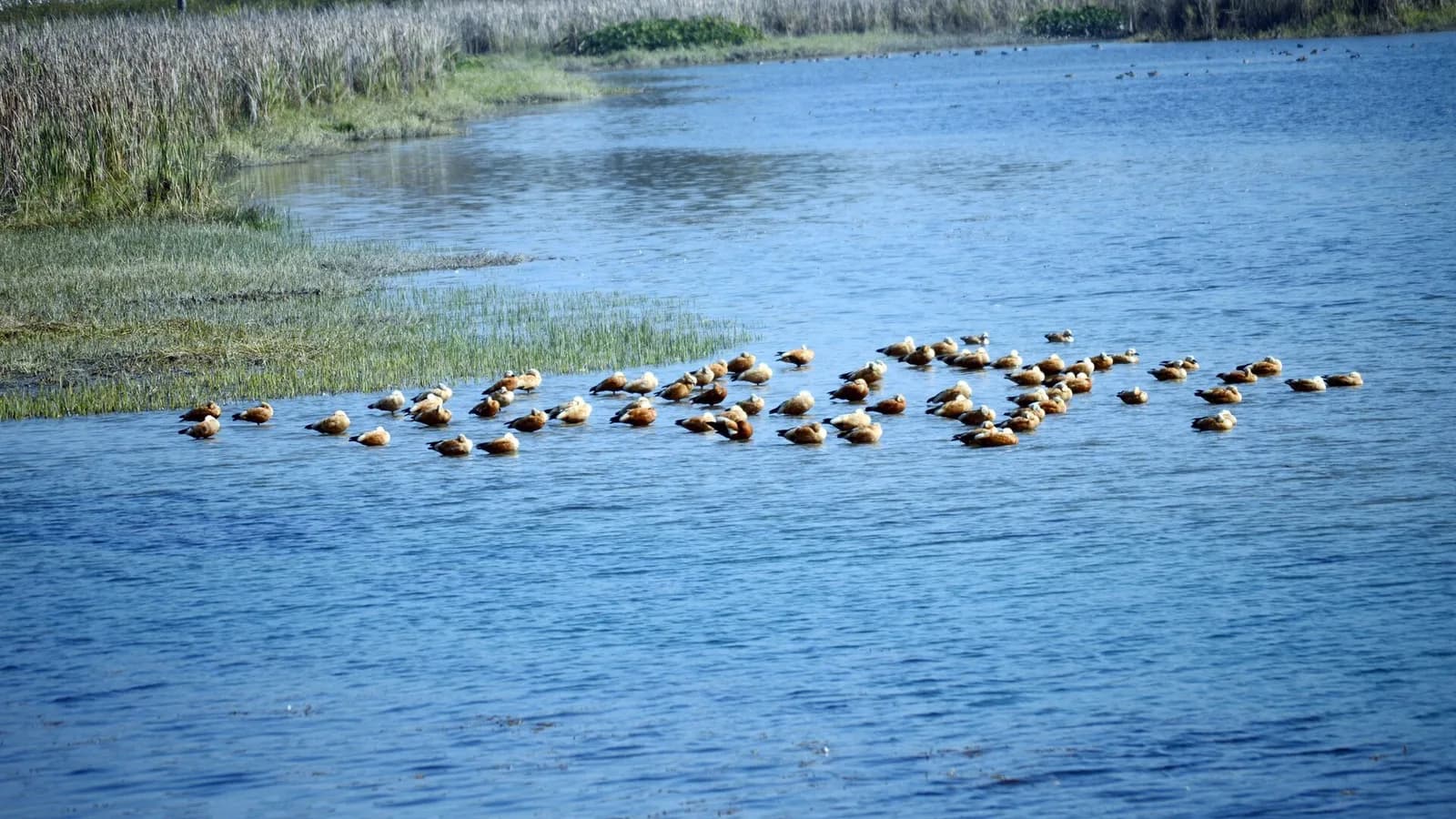
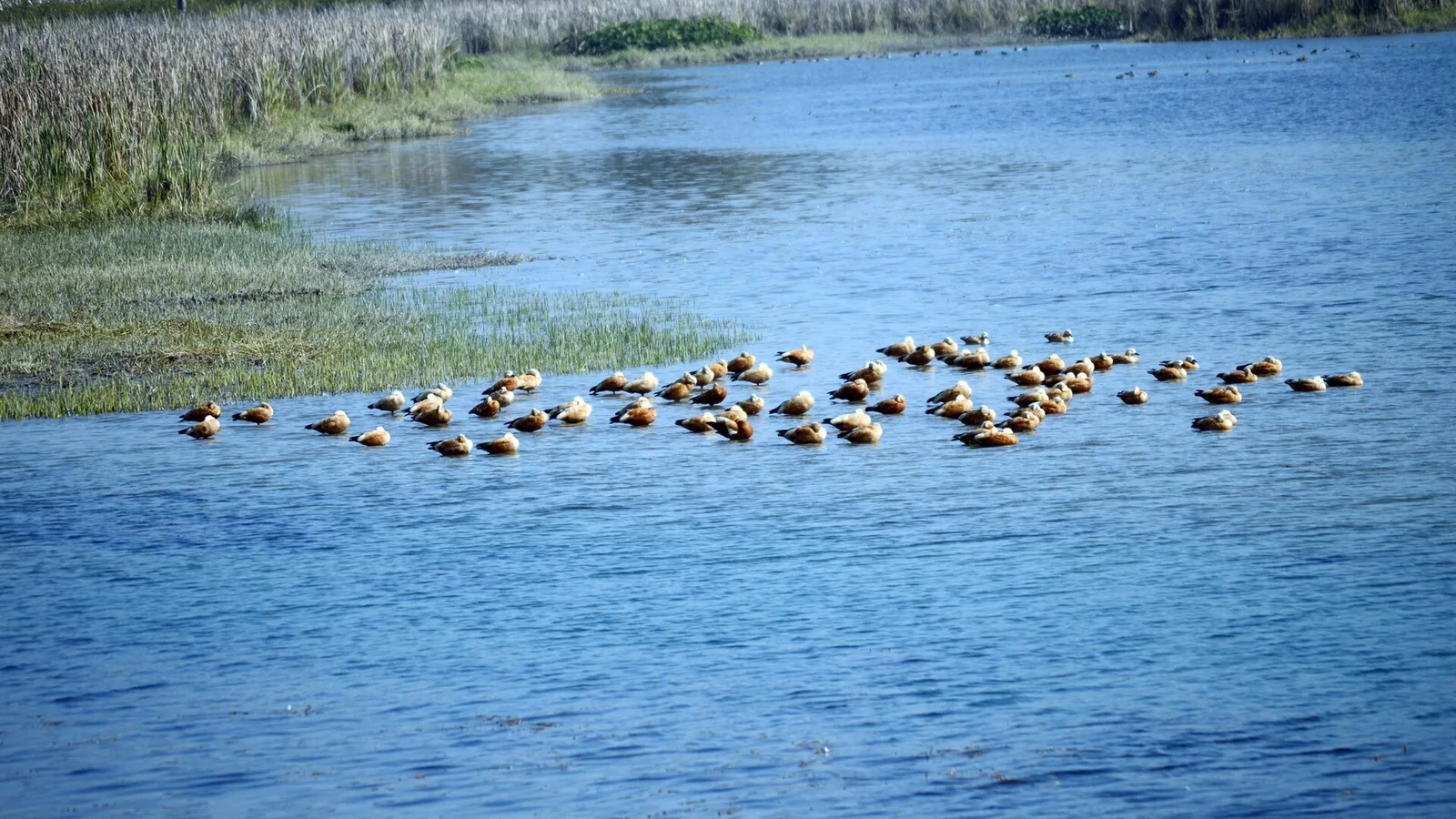
Every October, a small wetland on the Uttarakhand–Himachal border becomes one of the easiest places in North India to watch winter birds arrive. On 9 October 2026, Amar Ujala reported that the season's first migrants had reached Asan Barrage: about two dozen ruddy shelducks, the rust-orange ducks known in Hindi as surkhab. The local forest guard told the paper that more species were starting to come in and that numbers would rise as the nights get colder.
Asan sits about 40 km west of Dehradun, which makes it a perfect half-day or full-day outing. With a self-drive car rental in Dehradun, you can be at the water by breakfast, spend the morning with the birds, cross the Yamuna to the historic Gurdwara at Paonta Sahib for lunch and still be home before the light goes. Book a self-drive car in Dehradun for your date, then use the plan below.
Key Takeaways
- Why now: the first ruddy shelducks of the 2026–27 season reached Asan in early October. Migrants usually stay until March or April.
- Distance: OSRM routing puts Asan Barrage at about 42 km from the Clock Tower in Dehradun. Paonta Sahib is another 6 km.
- Full loop: Dehradun to Asan, Paonta Sahib and back comes to about 94 km, an easy day in a small car.
- Timing: leave Dehradun by 7 am. Incredible India lists the barrage as open from 9 am to 5 pm, and sunset this week is around 5:40 pm.
- Interstate: Paonta Sahib is in Himachal Pradesh, so an Uttarakhand-registered rental car pays Himachal's entry tax at the border.
- Car: on 18 October 2026, the Hire N Ride Dehradun page showed cars from ₹2,280 for one day.
Why Asan matters to birdwatchers
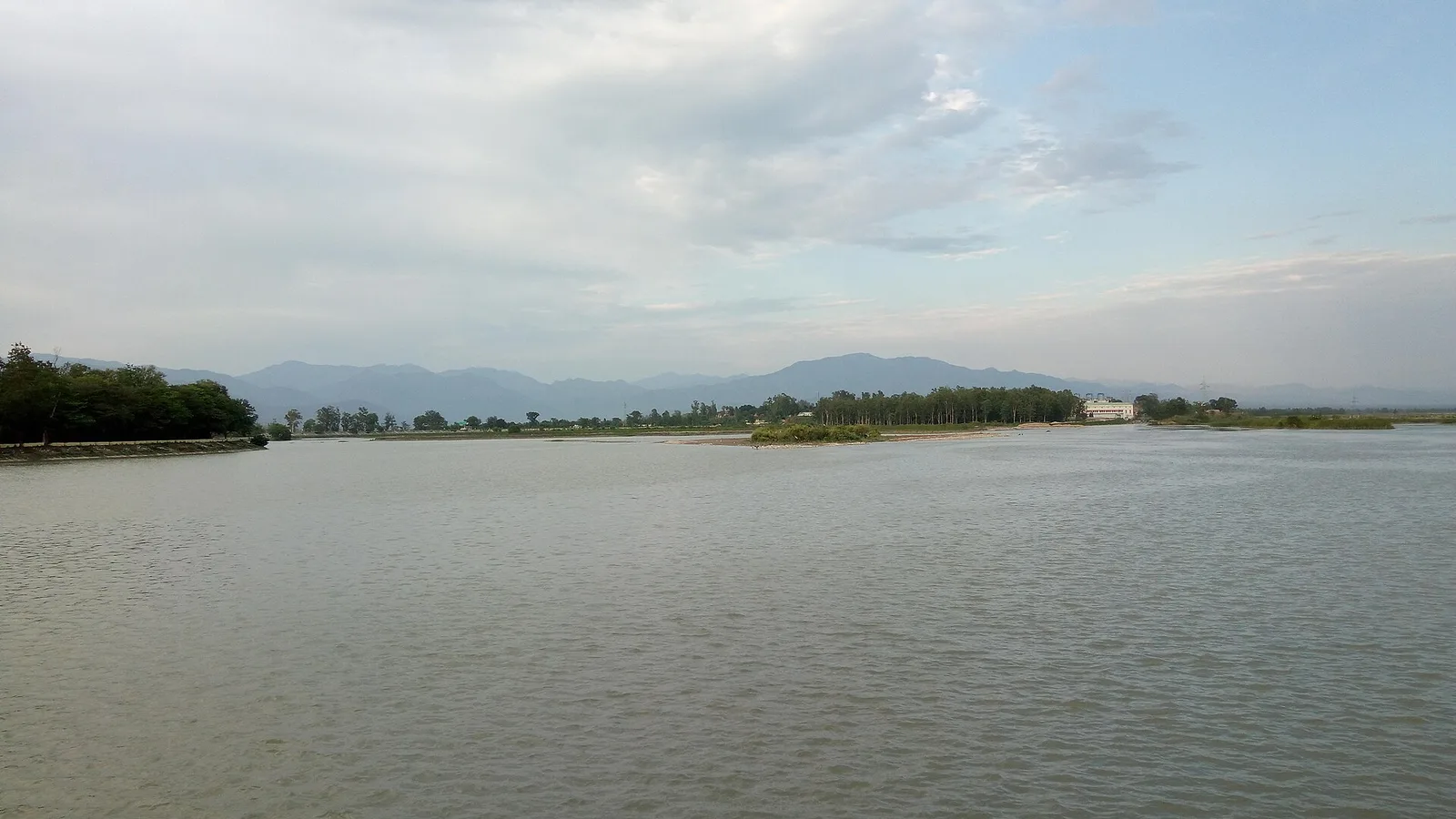
Asan is not a natural lake. The Asan Barrage was built in 1967 where the Asan river meets the Yamuna canal near the village of Dhalipur. Uttarakhand Tourism notes that the lake was created during the construction of the Dhalipur power house. Silt built up behind the barrage over the years, and that silt formed the shallow banks, reed beds and small islands that waterbirds now use.
The area was notified as the Asan Conservation Reserve in 2005. On 21 July 2020, it became Uttarakhand's first Ramsar site, a wetland of international importance. According to its Ramsar listing, the reserve covers 444.4 hectares, and 330 bird species have been recorded here. They include the critically endangered red-headed vulture, white-rumped vulture and Baer's pochard. The Ramsar listing also records more than 1% of the regional populations of two waterbirds, the red-crested pochard and the ruddy shelduck. Under the water, the reserve holds 49 fish species, including the endangered golden mahseer.
For a visitor, that means two things. First, you do not need a long trek or a special permit to see a big variety of birds. Second, Asan rewards patience. Sit by the water for an hour and the scene changes as flocks land, feed, take off and settle again.
What you might see this season
Ruddy shelducks usually arrive first, and they are easy to spot: large, orange-brown ducks with pale heads that often rest in tight groups on the water or on the silt islands. Amar Ujala's report also mentions gulls among the winter visitors. As the season builds, expect a mix of ducks, geese and waders.
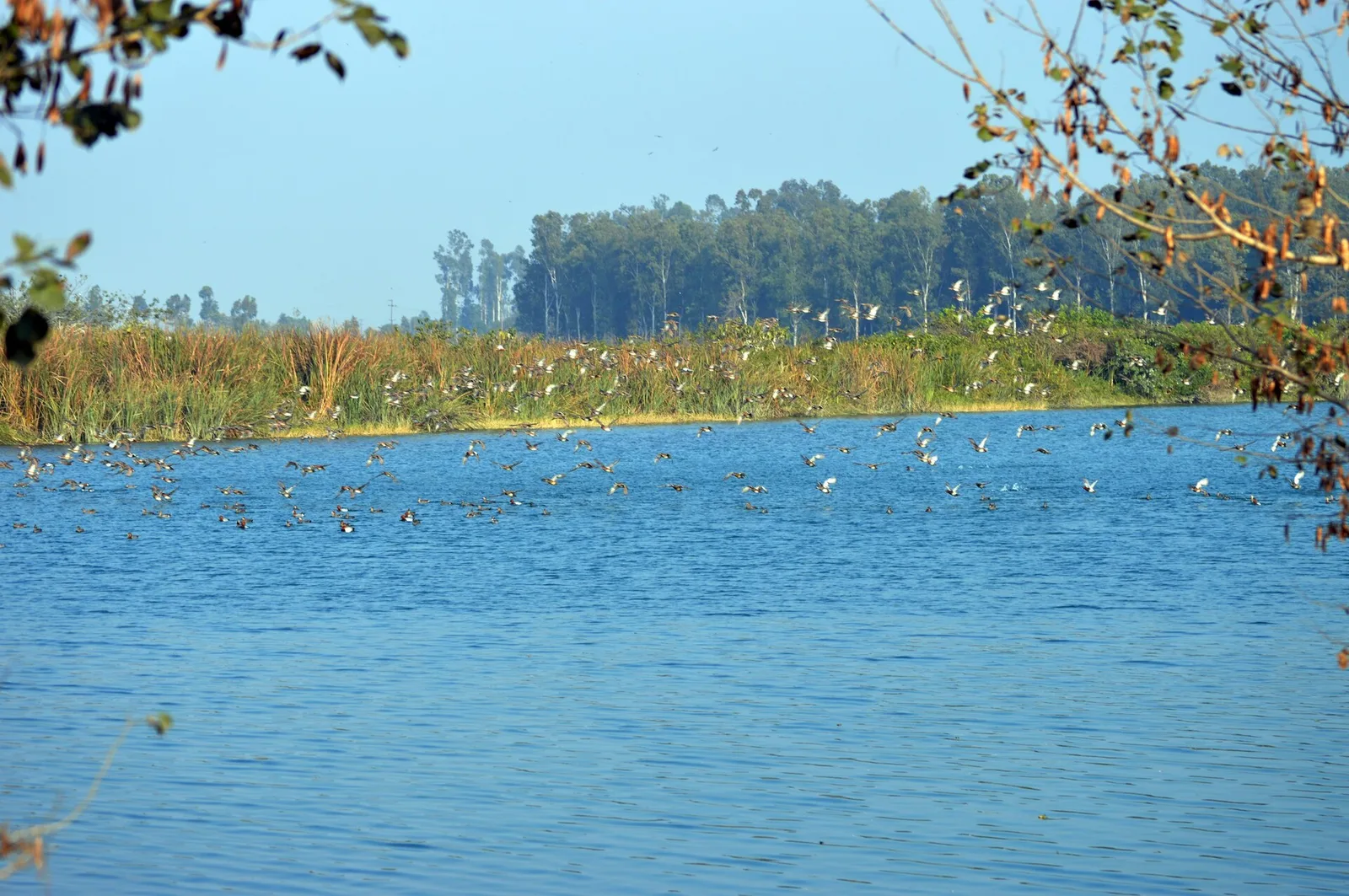
To get a sense of the peak, look at the last winter count. At the Asian Waterbird Census on 18 January 2026, the Uttarakhand Biodiversity Board recorded 5,806 birds of 126 species at Asan. The ruddy shelduck was the most numerous species, with 983 birds. The census also logged the steppe eagle, the Egyptian vulture and Pallas's fish eagle, along with the common pochard and the woolly-necked stork. So the variety now is only a preview. If you enjoy the first visit, a second trip in December or January is well worth planning.
Bring binoculars if you have them. A phone camera will capture the scene, but a pair of 8x or 10x binoculars makes it much easier to tell a pochard from a teal across the water. A bird guide app or a field guide helps too.
The drive from Dehradun to Asan Barrage
The route is simple. Leave the city on Chakrata Road and go through Ballupur, then follow the main road west towards Vikasnagar through Premnagar, Selaqui and Sahaspur. Near Herbertpur, follow the signs for Dhalipur and the barrage. OSRM routing gives about 42 km from the Clock Tower. Uttarakhand Tourism puts it at around 43 km. Allow 1 hour 15 minutes to 1 hour 30 minutes, because the first stretch out of Dehradun and the market areas along the way can be slow.
The road is flat once you leave the city, with the Shivalik hills on your left for much of the drive. It is a relaxed drive for anyone comfortable in town traffic. There are plenty of fuel stations and roadside dhabas on the way to Vikasnagar if you want breakfast before you reach the water.
A few tips for the drive:
- Start early. Leaving by 7 am gets you past Premnagar before the morning rush and to the barrage soon after it opens.
- Park once. Travel sites note paid parking outside the lake area. Park, then walk along the water rather than moving the car around.
- Keep cash. Small parking and boat counters may prefer cash, so keep some small notes as well as UPI.
How to spend the morning at the barrage
Start with a slow walk along the bank and look out over the reservoir. The early light is softer, the wind is usually calmer and the birds are busy feeding. Once you have a sense of where the big flocks are, find a quiet spot and wait.
Boating is the other way to see the birds. Amar Ujala's 2026 report says that boat rides give visitors a closer view of the migrants. In January 2024, the same paper reported that a boat at Asan cost ₹300 for up to four people. Rates and boating dates can change, so check at the counter on the day.
Whether you walk or take a boat, keep your distance from resting flocks. Talk quietly, do not throw food and do not try to make birds fly for a photo. Every time a flock takes off, it burns energy the birds need after a journey of thousands of kilometres. If you have a zoom lens, use it, and let the birds come to you.
Amar Ujala reported in 2024 that the site also offered huts and dormitory beds for visitors. If you want to stay the night and catch the birds at first light, check availability well in advance.
Cross the Yamuna to Paonta Sahib
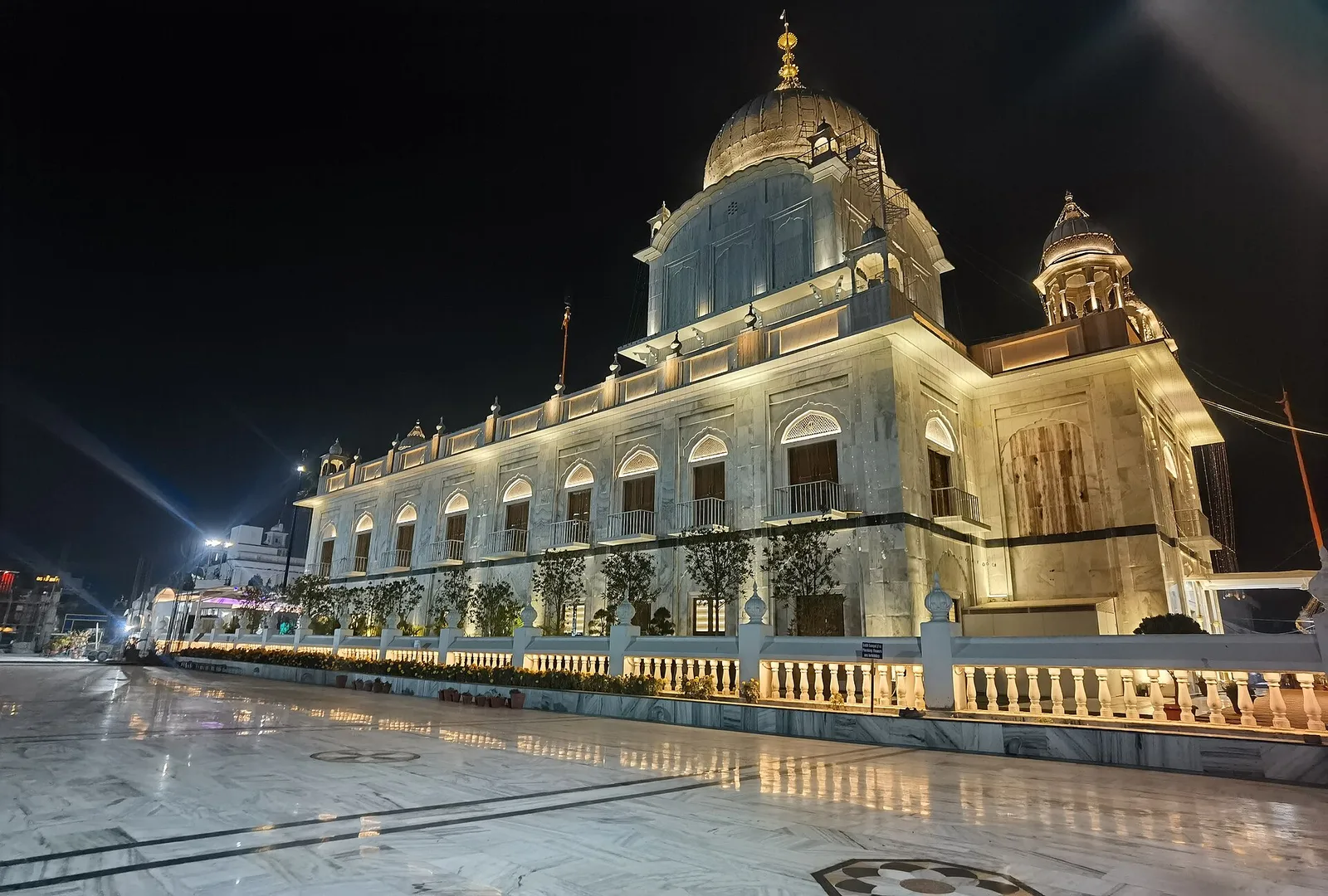
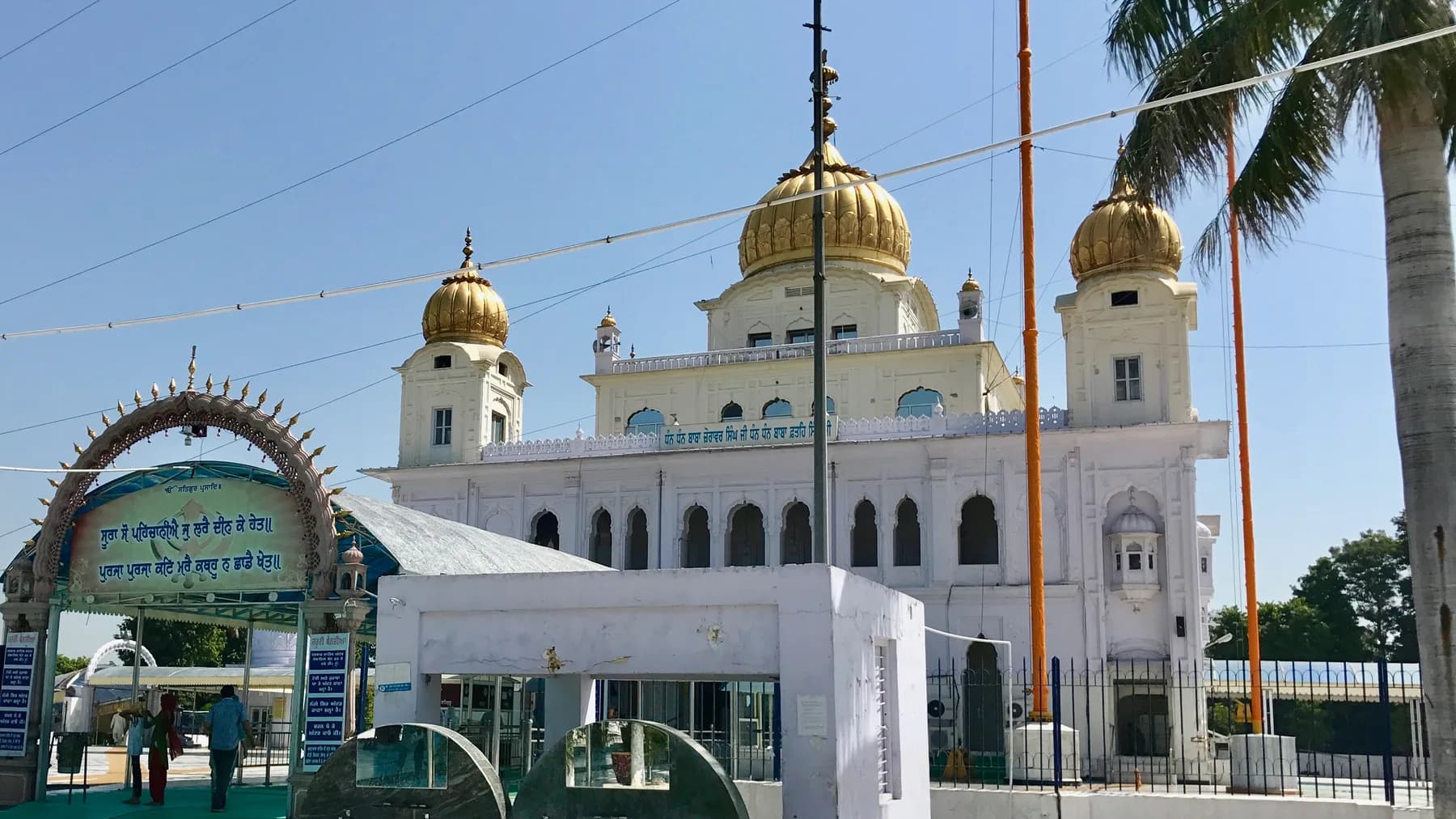
From the barrage, it is only about 6 km by road to Paonta Sahib, across the Yamuna in Himachal Pradesh. The river here is the border between the two states, and the town grew up around one of the most important gurdwaras in Sikh history.
According to the Himachal Pradesh Tourism Development Corporation, Guru Gobind Singh, the tenth Sikh Guru, came to Sirmaur at the invitation of its ruler, Raja Medini Prakash, and chose this spot on the Yamuna to camp. He stayed here for more than four years. The Sirmaur district page notes that much of the Dasam Granth was written at Paonta Sahib. The name is usually explained as "a place for a foothold".
Inside the complex, look for the Shri Talab Asthan, where the Guru is said to have paid salaries, and the Shri Dastar Asthan, where turban-tying competitions were judged. The Kavi Darbar nearby was the venue for poetry gatherings. A small museum displays pens and weapons from the period, and a temple dedicated to the Yamuna stands within the precincts. The gurdwara serves langar, a free community meal, to everyone, so this is a good place for lunch.
As in any gurdwara, cover your head, take off your shoes, wash your hands and feet before you enter and do not carry tobacco or alcohol. Many gurdwaras keep head scarves at the entrance if you forget one.
Himachal Tourism also lists a few smaller gurdwaras linked to the Guru around Paonta: Bhangani Sahib, built in memory of his first battle, Tirgarh Sahib on a hillock and Shergarh Sahib. If you have time after lunch, ask locally about directions to Bhangani Sahib.
Himachal entry tax: what to expect
Because Paonta Sahib is in Himachal Pradesh, a rental car registered in Uttarakhand will pay Himachal's entry tax at the border barrier. The Times of India reported that Himachal's revised notification set a flat entry tax of ₹100 for out-of-state passenger vehicles with up to 12 seats plus the driver. Keep the receipt, and have UPI or cash ready. If you want to skip the interstate part, Asan on its own still makes a great morning.
A simple timetable for the day
- 7:00 am: leave Dehradun on Chakrata Road.
- 8:00 am: breakfast at a dhaba on the way to Vikasnagar.
- 9:00 am: arrive at Asan Barrage as it opens. Walk the bank and watch the flocks.
- 10:30 am: take a boat ride, if it is running.
- 12:00 pm: drive across the Yamuna to Paonta Sahib.
- 12:30 to 2:30 pm: visit the gurdwara, the museum and the Kavi Darbar, and have langar.
- 3:00 pm: optional short return to the barrage for afternoon light, or head straight home.
- 4:30 to 5:00 pm: back in Dehradun, before the 5:40 pm sunset.
Weather and what to pack
Mid-October in the Doon valley usually brings clear, mild days and cooler mornings, and evenings get colder as November approaches. Pack a light jacket for the early start, a cap and sunscreen for time on the water, and drinking water. Binoculars, a power bank and a head scarf for the gurdwara complete the list. Days are getting shorter: sunset in Dehradun is around 5:44 pm on 18 October and about 5:37 pm by 25 October.
Choosing your car
On 18 October 2026, the Hire N Ride Dehradun page showed cars from ₹2,280 for one day, for a 2023 Maruti Suzuki Swift. Other listings included the Tata Punch, Hyundai i20, Hyundai Venue, Toyota Glanza, Maruti Suzuki Fronx, Kia Carens, Maruti Suzuki XL6 and Toyota Innova Crysta. The page listed a deposit from ₹5,000. Rates and availability change, so check the live page before you book.
For two people, a hatchback such as the Swift or Glanza is easy to park and plenty for this flat route. For a family or a group of birdwatchers with camera bags, a seven-seater such as the Carens, XL6 or Innova Crysta gives everyone room. Whatever you choose, inspect the car at pickup, note any marks and check the fuel level before you set off.
More drives from Dehradun
Asan is only one of several good days out from the city. Head north-west for the hill road from Kalsi to Chakrata and Tiger Falls, drive south-east for the evening Ganga aarti at Haridwar, or plan a longer trip with an overnight drive to Corbett's Bijrani zone.
Conclusion: catch the season at its start
The shelducks are back at Asan, and the flocks will keep growing for weeks. You do not need a long holiday to see them. A morning at Uttarakhand's first Ramsar site, lunch at a gurdwara where Guru Gobind Singh once lived and wrote, and a relaxed drive home make a full and peaceful day. With a self-drive car rental in Dehradun, you set the pace, stop where you like and wait as long as the birds need.
Ready for the water? Book a self-drive car in Dehradun, check today's rates and deposit, and pick a clear morning.
About the author: Manjot Kaur writes road-trip and heritage travel guides for Hire N Ride. She enjoys routes that combine nature and history in a single day, and she focuses on the details that make a trip go smoothly, such as daylight, timings and what to check before you go.
.jpg)
.jpg)
.jpg)
