By Nitin Kanish · 17 October 2026
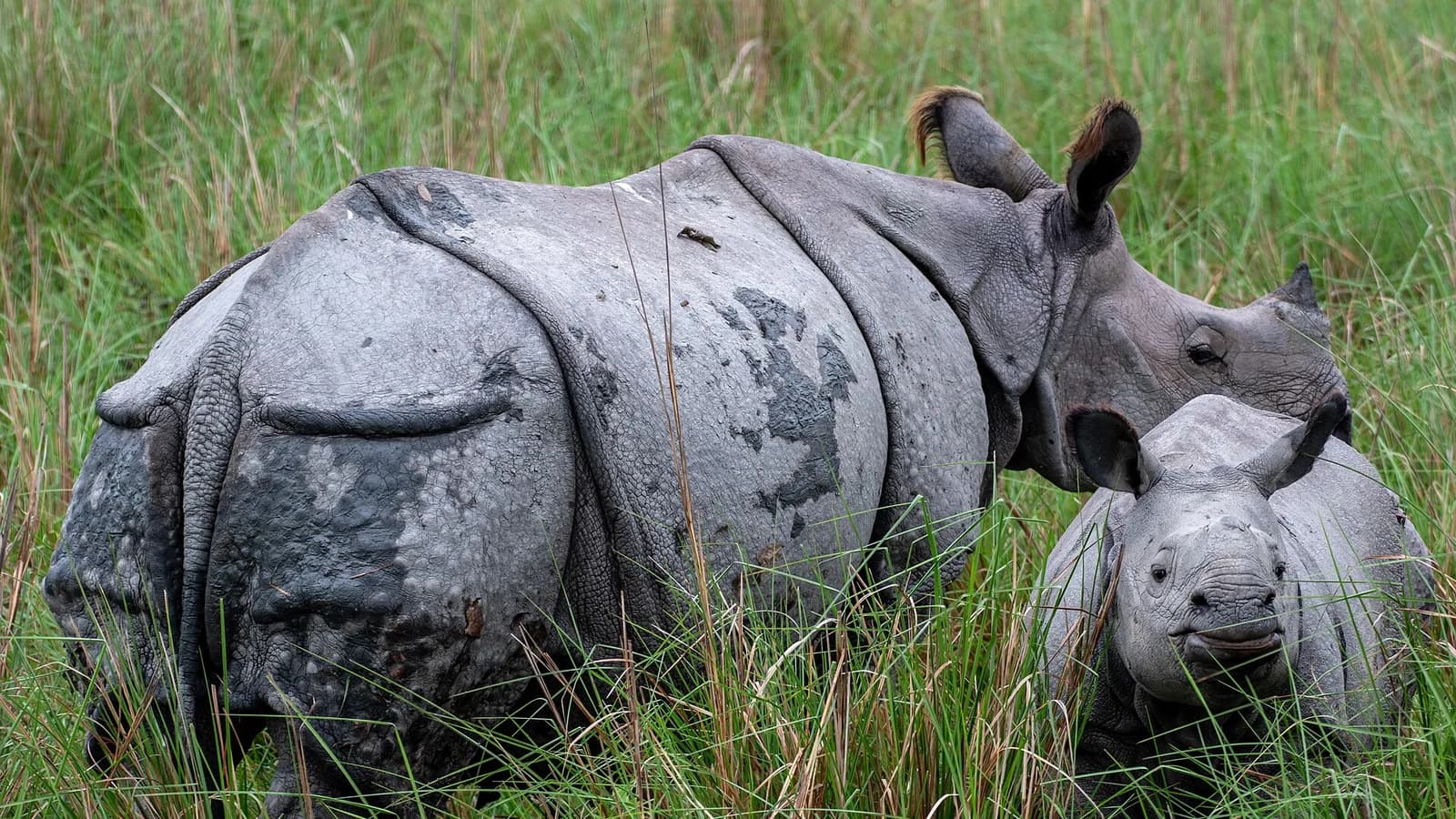
The rhinos closest to Guwahati are back on view. Pobitora Wildlife Sanctuary in Morigaon district reopened to visitors on Tuesday, 13 October, for the 2026–27 season. According to The Times of India, the forest department has raised the number of safari vehicles from 20 to 36 to meet demand. The forest minister, Jayanta Malla Baruah, also opened a new wildlife museum and a souvenir shop at the sanctuary. With Manas open since 2 October and Kaziranga since 3 October, all three of Assam's big wildlife destinations are now open for the season.
Kaziranga needs a weekend. Pobitora does not. By OSRM routing it is about 43 km from central Guwahati, so you can see rhinos in the morning, stop in the village of Mayong after lunch and be home before dark. It is the kind of day that works best with a self-drive car rental in Guwahati: you leave at dawn on your own schedule, keep snacks and binoculars in the car and decide on the spot how long to stay.
Key Takeaways
- Open again: Pobitora reopened on 13 October 2026, with 36 safari vehicles (up from 20) and a new wildlife museum. Elephant safaris are expected from November.
- Distance: about 43 km from central Guwahati by OSRM routing, via Noonmati and the state highway through Chandrapur. Allow about 1 hour 15 minutes in early-morning traffic.
- Timing: booking agencies list one-hour jeep slots from 7:30 am, with the last afternoon slot ending around 3 pm. Aim for an early morning slot.
- Puja week: Guwahati's Durga Puja traffic restrictions run from 16 to 20 October, daily from 8 am to 2 am. Leave the city before 8 am.
- Add Mayong: the "village of magic" is next to the sanctuary, with a community museum of old manuscripts and relics.
- Car: on 17 October, the lowest rate on the Guwahati page was ₹2,280 for one day (Maruti Suzuki Ignis Zeta), with 312 km a day included.
What's new at Pobitora this season
The sanctuary opened earlier than some years. The minister told reporters there had been demand to reopen it before the Puja season, as tourist numbers have been rising every year. The extra jeeps are the biggest change for visitors. Nearly twice as many vehicles should mean more slots on busy days, including Puja holidays and weekends.
The other new feature is the wildlife museum and souvenir shop on the sanctuary premises. It is worth a visit while you wait for your slot or after your safari. The minister said elephant safaris were expected to start in November, so October visitors should plan on a jeep.
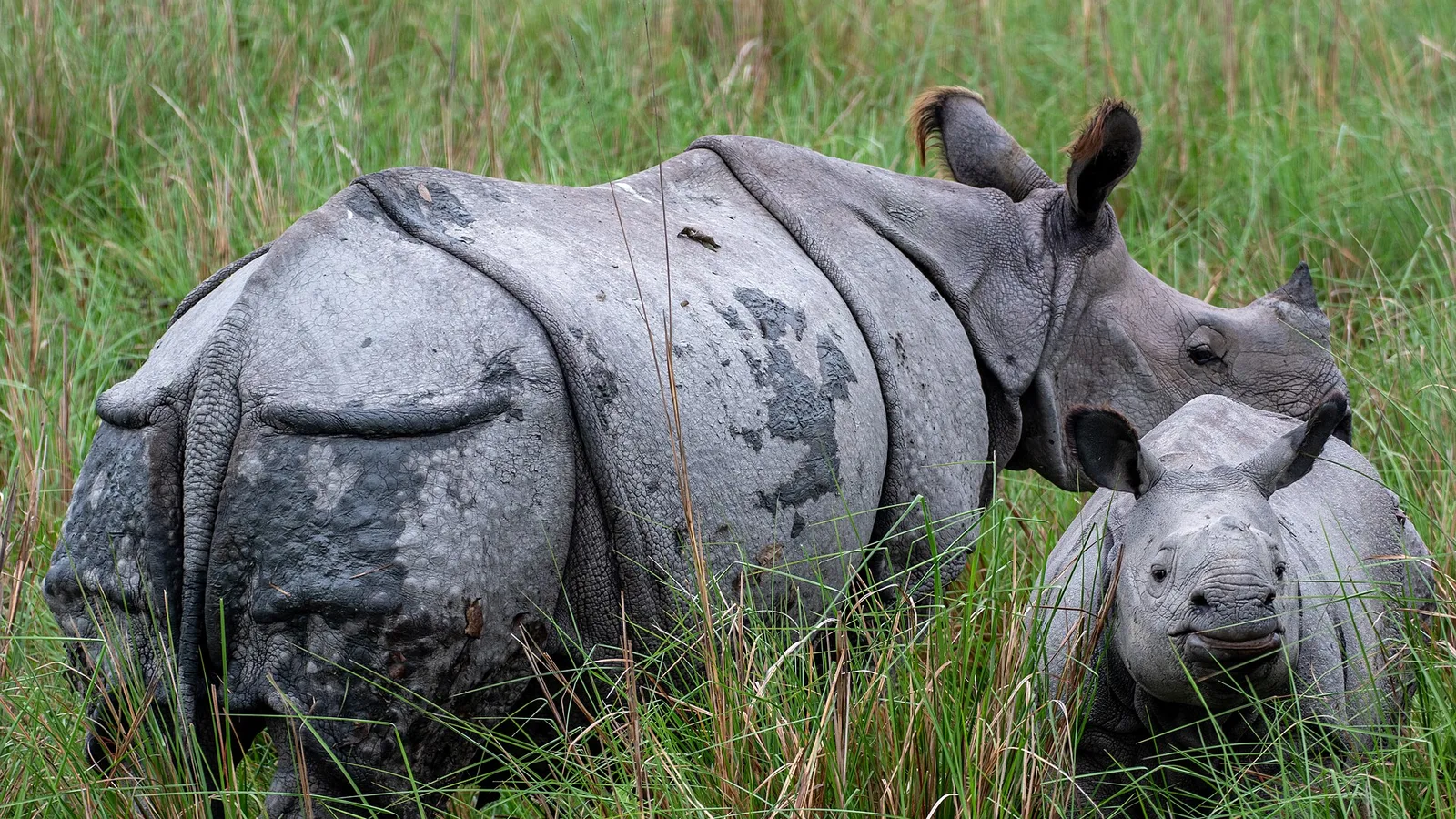
The Times of India report puts the numbers plainly: Pobitora covers 38.85 sq km and is home to 108 rhinos, more than 500 wild buffaloes, around 385 species of migratory birds and thousands of deer. Its rhino density is around 16 animals per square kilometre, one of the highest anywhere. The minister also said Assam had reached a stage of zero rhino poaching, and credited the forest department and local communities.
Why Pobitora is worth the early start
Assam Tourism's page on Pobitora says the sanctuary has the highest density of one-horned rhinoceros in the world, and the second-largest concentration of rhinos in India after Kaziranga. It was declared a reserved forest in 1971 and a wildlife sanctuary in 1987. Rhinos first drew attention here in 1961–62.
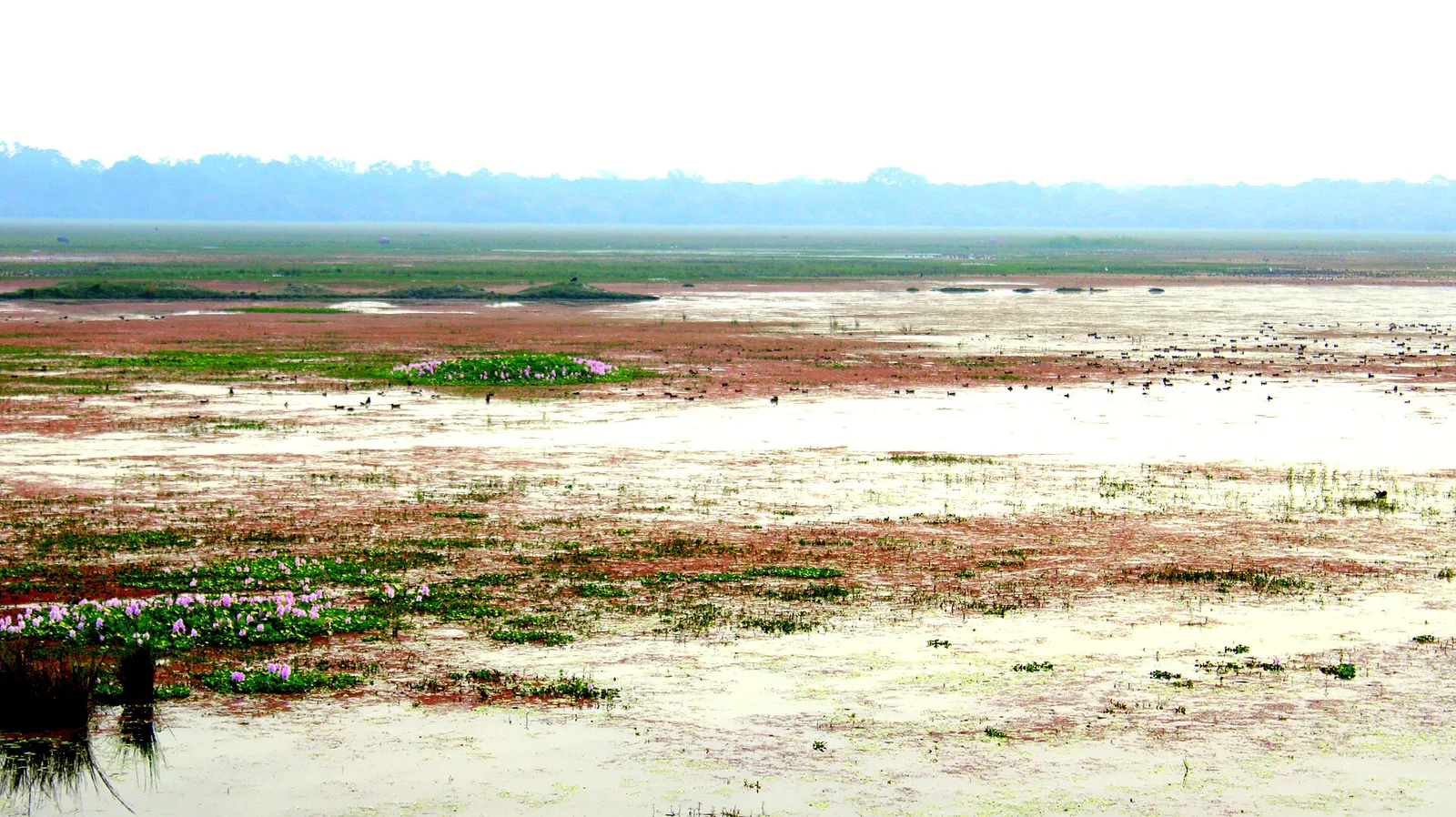
The landscape is a mix of water bodies, wide alluvial grassland, open woodland and mixed forest. According to the Morigaon district administration, the Brahmaputra forms the sanctuary's northern boundary and Garanga Beel its southern edge. It is surrounded by 27 villages, but there is no human habitation inside. The neighbouring Rajamayong hill is also a reserved forest. That small area and very high density are what make a short visit here so worthwhile.
Besides rhinos, Assam Tourism lists Asiatic buffalo, leopard and wild cats. The marshes draw migratory birds in winter, so bring binoculars even this early in the season.
Before you set off
Sort out your safari slot
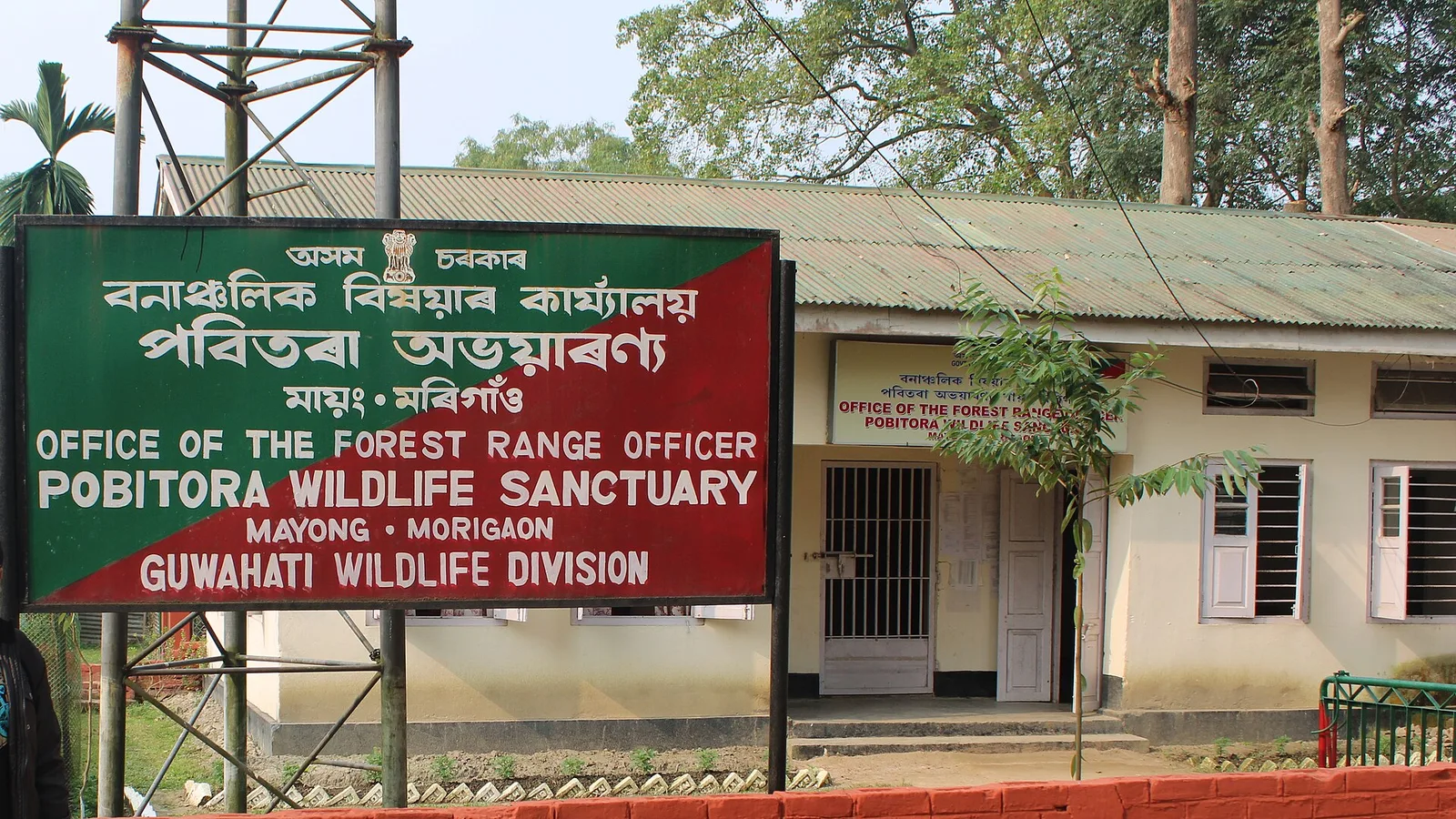
Jeep safaris at Pobitora are operated under the Guwahati Wildlife Division. Booking agencies list one-hour jeep rides at 7:30, 8:30 and 9:30 am, and 1 and 2 pm, with each jeep taking up to six people on a non-sharing basis. Slot times and prices can change from season to season, so confirm them before you pay. Assam's tourism department lists a Pobitora Tourist Information Office at the sanctuary in Mayong, on +91-9707122492. If you book through an agency, check that the price includes the entry permit, the jeep and the guide.
Plan around the Puja traffic rules
Durga Puja follows hard on the reopening. PratidinTime reported on 15 October that the Guwahati Traffic Police would enforce special restrictions from 16 to 20 October, daily from 8 am to 2 am. Areas named include Dispur, Basistha, Bhangagarh, Paltan Bazaar, Ganeshguri, Beltola, Six Mile, Chandmari, Geetanagar and Noonmati, as well as stretches of GS Road and VIP Road. The quickest route to Pobitora passes through Noonmati, so leave before 8 am and you will be on the highway before the rules apply. On the way back, expect slower traffic and diversions near the pandals, and follow the signs.
The city police have also warned of strict action against drunk driving during the festival. If you head out to the pandals after your drive, leave the car parked.
Pack for a morning in the grass
Mid-October mornings are pleasant, but the sun is strong by midday. Carry water, a hat, sunscreen, mosquito repellent and a light jacket for the open jeep. Wear muted colours, and keep binoculars and a camera with a zoom lens to hand.
The drive: Guwahati to Pobitora
OSRM routing gives the quickest way as about 43 km. From central Guwahati, take GNB Road east towards Noonmati, then join the state highway that runs through Chandrapur towards Mayong. The road follows the south bank of the Brahmaputra for much of the way, with paddy fields and villages on both sides. Expect slow sections through villages and keep an eye out for cattle, cyclists and school buses.
Official figures vary. Assam Tourism describes Pobitora as 30 km from the city and Mayong as 35 km from Guwahati, while the OSRM road route from Paltan Bazaar to the sanctuary is about 43 km. If you are setting out from the airport side of the city, allow extra time.
At the sanctuary
Report to the range office near Mayong, where safaris are organised. Once you are in the jeep, your guide decides the route. Expect open grassland and wetland, where rhinos, wild buffaloes, deer and water birds can all be seen.
Safari etiquette
- Stay inside the jeep at all times. Getting out inside the safari area is not allowed.
- Keep your voice down and do not ask the driver to get closer to an animal than the guide allows.
- Do not use flash, play music or feed any animal.
- Take all your litter back with you.
Assam Tourism says the Haduk Hanging Bridge and Garanga Beel lie right opposite the entrance. After your safari, they are a pleasant place to stretch your legs and watch the birds on the water.
After the rhinos: Mayong, the village of magic
A few kilometres from the sanctuary lies Mayong, on the banks of the Brahmaputra. Assam Tourism's Mayong page calls it the one-time cradle of black magic in Assam. Stories of sorcery here have been passed down for generations, and the department says nearly 120 local healers, known as bez or oja, still live in the area. It is also clear that there is no scientific basis for the stories. Treat the visit as a lesson in local history and folklore, not a show.
The museum
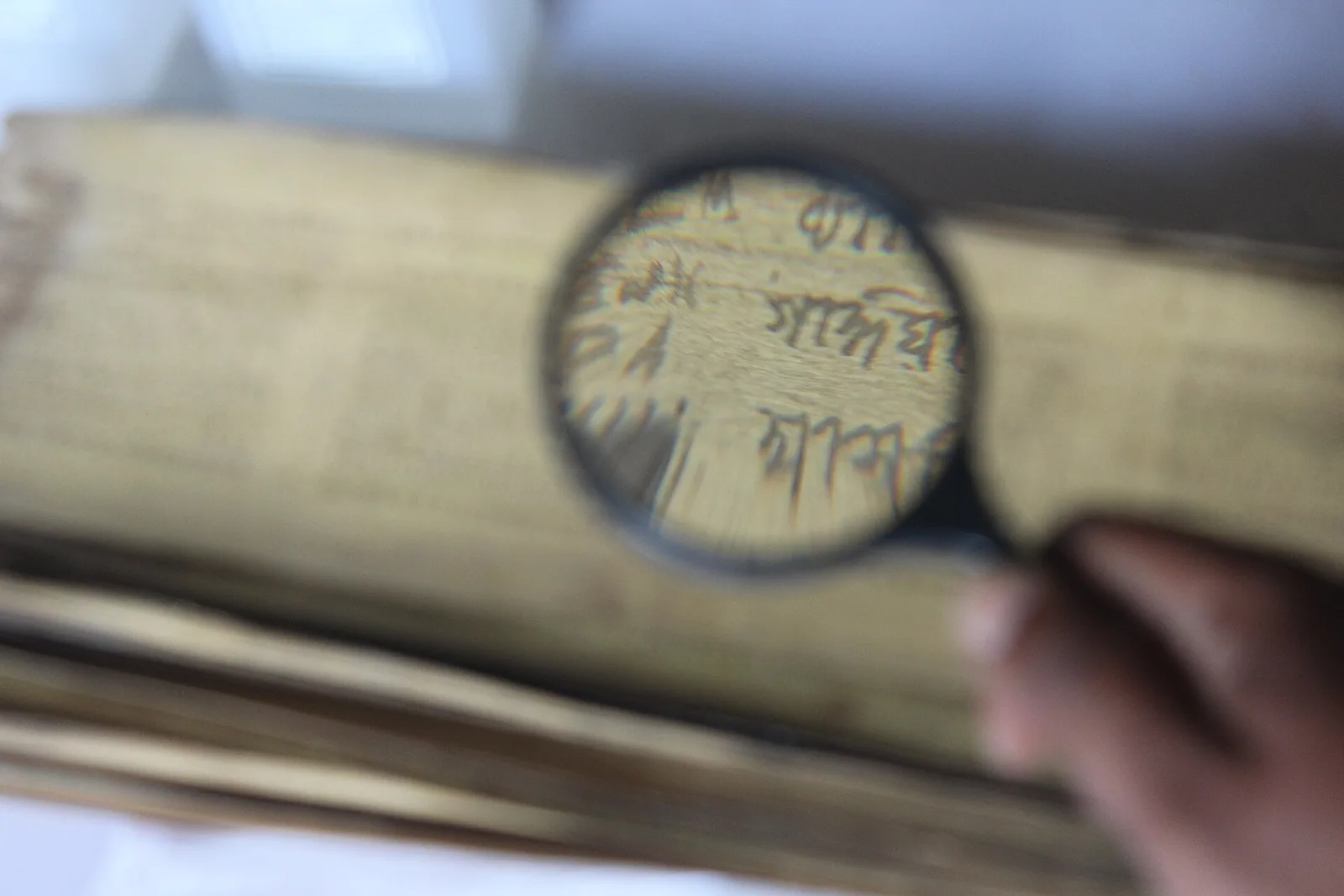
The highlight is the community museum, which Assam Tourism calls the Mayong Central Museum and Emporium. It keeps old manuscripts on magic and Ayurveda, artefacts and archaeological relics. The department also mentions an old rock with writing that has not been deciphered. We could not find official opening hours, so call ahead or ask at the sanctuary before you drive over.
Old shrines on the hillocks
According to Assam's tourism department, the remains of old temples on the hillocks around Mayong hint at its tantric past. It names four important temples: the Kechaikhaiti shrine of Burha Mayong, the Narashinha Ashram at Hiloikhunda, the Ganesh temple at Hatimuria and the Shiva shrine at Kachashila. Hiloikhunda lies close to the road in from Guwahati.
Being a good visitor
- Locals may offer palm reading or fortune-telling with shells. It is fine to say no.
- Ask before you photograph people, homes or rituals.
- Dress modestly and take off your shoes where asked at shrines.
- Buy water, snacks or crafts locally where you can.
A sample day plan
- 6:00 am: collect your car in Guwahati. Check the tyres, lights and fuel, and note any existing marks at handover.
- 6:15 am: leave the city, well before the 8 am Puja traffic restrictions begin.
- 7:15 am: arrive at the range office and check in for your slot.
- 7:30 to 8:30 am: jeep safari. Take a later slot if the early one is full.
- 9:00 am: the new wildlife museum, then a walk near Garanga Beel and the hanging bridge.
- 11:00 am: drive to Mayong for the museum and, if you have time, one of the hill shrines.
- 1:00 pm: lunch.
- 2:00 pm: start back to Guwahati, allowing for Puja diversions as you near the city.
- 4:00 pm: back in town. Sunset in Guwahati is around 4:55 pm in mid-October, so you avoid driving village roads in the dark.
If you would rather slow down, Assam Tourism notes that the Assam Tourism Development Corporation runs a tourism complex at Pobitora, and there are a few private resorts. An overnight stay lets you take both a morning and an afternoon safari.
Choosing your car
The round trip with Mayong comes to roughly 100 to 110 km, well within the 312 km a day included on the Guwahati listings. It is a drive across the plains, so a 4x4 is not essential. On 17 October 2026, the Hire N Ride Guwahati page listed these cars for one day:
- Maruti Suzuki Ignis Zeta (2023): ₹2,280, the lowest rate listed.
- Maruti Suzuki Swift VXi (2026) or Tata Nexon (2026): ₹2,400.
- Maruti Suzuki Grand Vitara Smart Hybrid (2024): ₹2,640.
- Maruti Suzuki Jimny Zeta 4WD (2026): ₹3,456.
- Tata Harrier diesel automatic (2024): ₹3,478, after a 10% discount on ₹3,864.
The page showed deposits from ₹1,000 and doorstep delivery on several cars. Rates and availability change, so check the live page before you book. A small hatchback is easy to park at the sanctuary and in Mayong's narrow lanes. An SUV gives a family more room and a higher view over the paddy fields.
Driving tips for the Pobitora road
- Slow down through villages and near schools. Watch for cattle, goats and cyclists.
- Keep to the left on narrow stretches and give way to buses and trucks.
- Fill up in Guwahati before you leave, and keep the tank above half.
- Save the tourist information office number and download offline maps before you go.
- Park only where the staff direct you at the sanctuary, and lock valuables out of sight.
More day drives from Guwahati
If Pobitora's slots are full, there are other good days out. Our guide to Sualkuchi's silk looms and the hills of Hajo heads north-west across the Brahmaputra. For heritage, see our Azara drive for Sankardev's legacy. And when you have a weekend free, Pobitora makes a good warm-up for the bigger park: our plan for a Kaziranga safari weekend covers that longer drive.
Conclusion: an early start, a rhino and a story
The new season makes Pobitora easier to visit than before. There are more jeeps, a new museum and the same high chance of seeing a one-horned rhino within an hour or so of the city. Leave before the Puja traffic rules begin, take an early slot, then spend the late morning in Mayong among old manuscripts and older stories. With a self-drive car rental in Guwahati, the whole day runs to your timetable and you are home before the sun sets.
Ready for Pobitora? Book a car in Guwahati, check today's rates and deposit, and set your alarm for an early start.
About the author: Nitin Kanish writes road-trip and self-drive guides for Hire N Ride. He likes routes that pack several layers of history into one day, and he focuses on the practical details that make a rental day work, such as opening days, parking and daylight.