
By Nitin Kanish · 17 October 2026
Most people leave Chandigarh heading for the hills. Drive west instead, across the flat wheat country of Fatehgarh Sahib district, and within 45 km you reach three very different chapters of Punjab's history. At Sanghol, archaeologists have dug up carved stone railings from a Buddhist stupa of the Kushan period, about 2,000 years old. At Fatehgarh Sahib, a great white gurdwara marks the place where the two youngest sons of Guru Gobind Singh were martyred. And in Sirhind, once a Mughal provincial capital on the Delhi–Lahore highway, you can walk through the remains of a royal rest house and visit one of the most revered Sufi shrines in South Asia.
None of these places is far apart, but they are spread across country roads that buses don't link well. That is why this day works best with a self-drive car rental in Chandigarh. You set the order, park near each stop and get home before dark. Book a car in Chandigarh for your date, then use the plan below.
Key Takeaways
- Distance: open-source routing (OSRM) puts Sector 17 about 44 km from Gurdwara Fatehgarh Sahib. The full loop of Chandigarh, Sanghol, Fatehgarh Sahib, Sirhind and back is about 105 km.
- Time: OSRM estimates under two hours of driving for the whole loop. Allow a full day with stops, lunch and traffic.
- Mondays: Sanghol Museum is widely listed as open 10 am to 4:45 pm and closed on Mondays. Over the long weekend, skip Monday 19 October if Sanghol is on your list.
- Daylight: sunset is around 5:50 pm in mid-October, so aim to leave Sirhind by about 5 pm.
- Car: on 17 October 2026 the lowest rate on the Hire N Ride Chandigarh page was ₹2,520 for one day for a 2026 Hyundai i20 Magna, with 250 km a day included and a deposit from ₹5,000.
Why this loop works by car
Sirhind and Fatehgarh Sahib are twin towns, about 5 km apart, and their sights are scattered between them: gurdwaras in one place, a Sufi shrine on another road, a Mughal garden on the Bassi road and a ruined haveli across the railway line. Sanghol is a separate village on the Chandigarh–Ludhiana road. Linking all of it by bus and auto would take most of the day. With a car, it becomes a relaxed loop with short drives between stops, and you can change the order if one place is busy.
It is also a good fit for the season. Mid-October days in Punjab are warm but no longer hot, the air is usually clear after the monsoon, and the big December crowds at Fatehgarh Sahib are still two months away.
The route: Chandigarh, Sanghol, Fatehgarh Sahib, Sirhind and back
The simplest plan is a loop. Head out west on the Chandigarh–Ludhiana road (NH5) through Kharar to Sanghol, about 43 km. From Sanghol, take the country road south-west towards Fatehgarh Sahib, about 16 km. Spend the middle of the day in Fatehgarh Sahib and Sirhind, then return to Chandigarh on the direct Sirhind–Chandigarh road, which OSRM routes along SH12A and NH205AG, about 43 km.
The national highway through Kharar is busy, with trucks, buses and frequent junctions. Keep to your lane, watch for vehicles turning across traffic and keep your speed down through the market stretches. The country roads near Sanghol pass through villages and farmland, so expect tractors, cattle and two-wheelers, especially in the morning and evening. In late October and November, smoke from field burning can reduce visibility in parts of Punjab. Check the air quality and drive with headlights on if it is hazy.
Stop 1: Sanghol, a village on top of 2,000 years
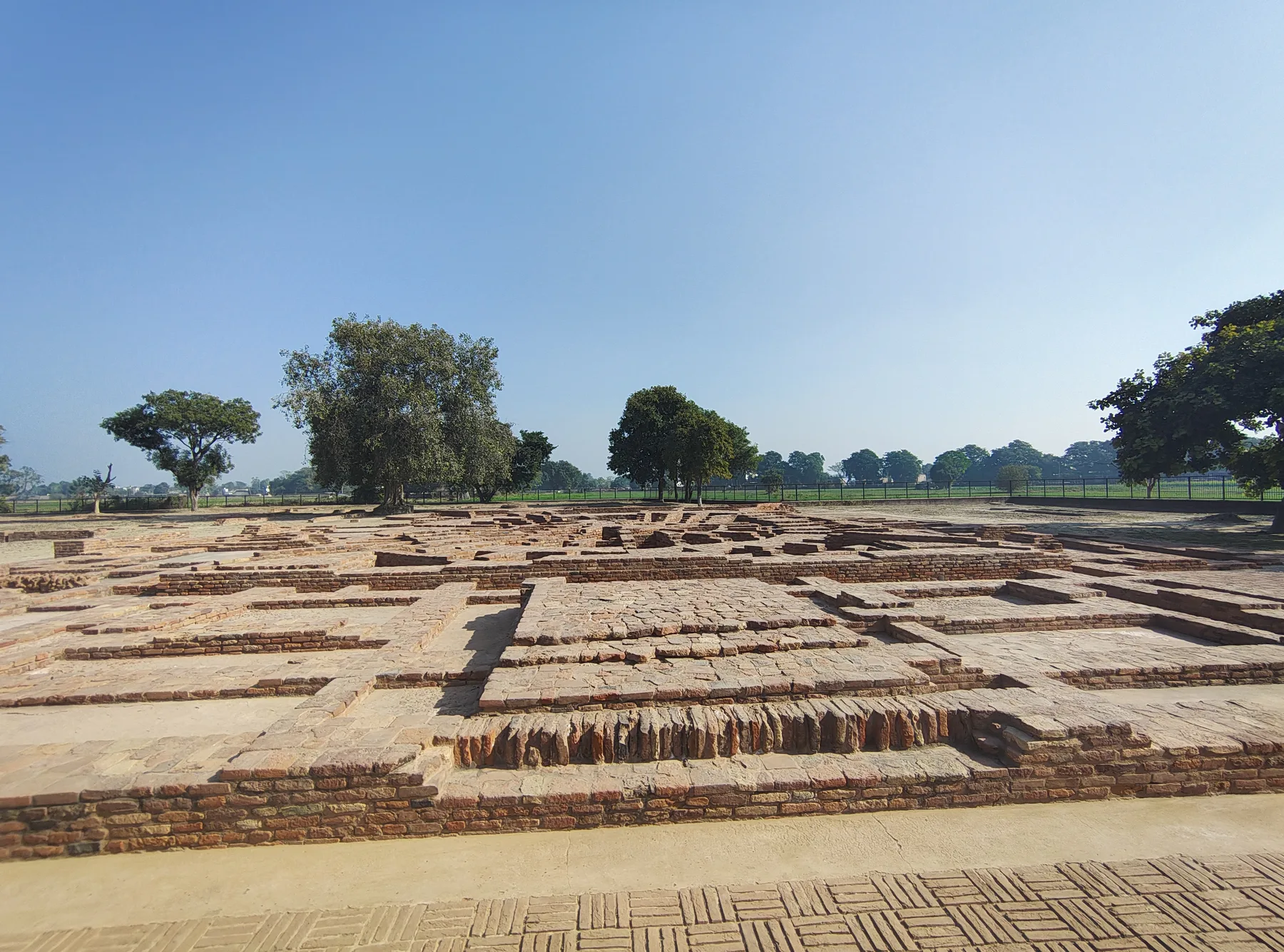
Sanghol, also called Uchha Pind Sanghol, means "the high village", and it sits on a high mound above the surrounding fields. According to the Fatehgarh Sahib district administration, it is an ancient site linked to the Harappan culture. A Buddhist stupa was excavated here in 1968. In February 1985, Punjab's archaeology department found 117 carved stone pieces nearby, including pillars, crossbars and figures. Scholars date them to the 1st and 2nd centuries AD and attribute them to the Mathura school of the Kushan period. Coins and seals linked to the later Huna rulers Toramana and Mihirakula have also turned up here.
Many of the finds are displayed in the Sanghol Museum, which opened in its present building on 10 April 1990 under Punjab's Department of Cultural Affairs, Archaeology and Museums. It is commonly listed as open from 10 am to 4:45 pm, Tuesday to Sunday, with free entry. The museum is small, so an hour covers it along with the excavated stupa site nearby. Take time over the carved figures on the railing pillars, which are the highlight. Some pieces travel for exhibitions, so what you see may vary.
Stop 2: Gurdwara Fatehgarh Sahib
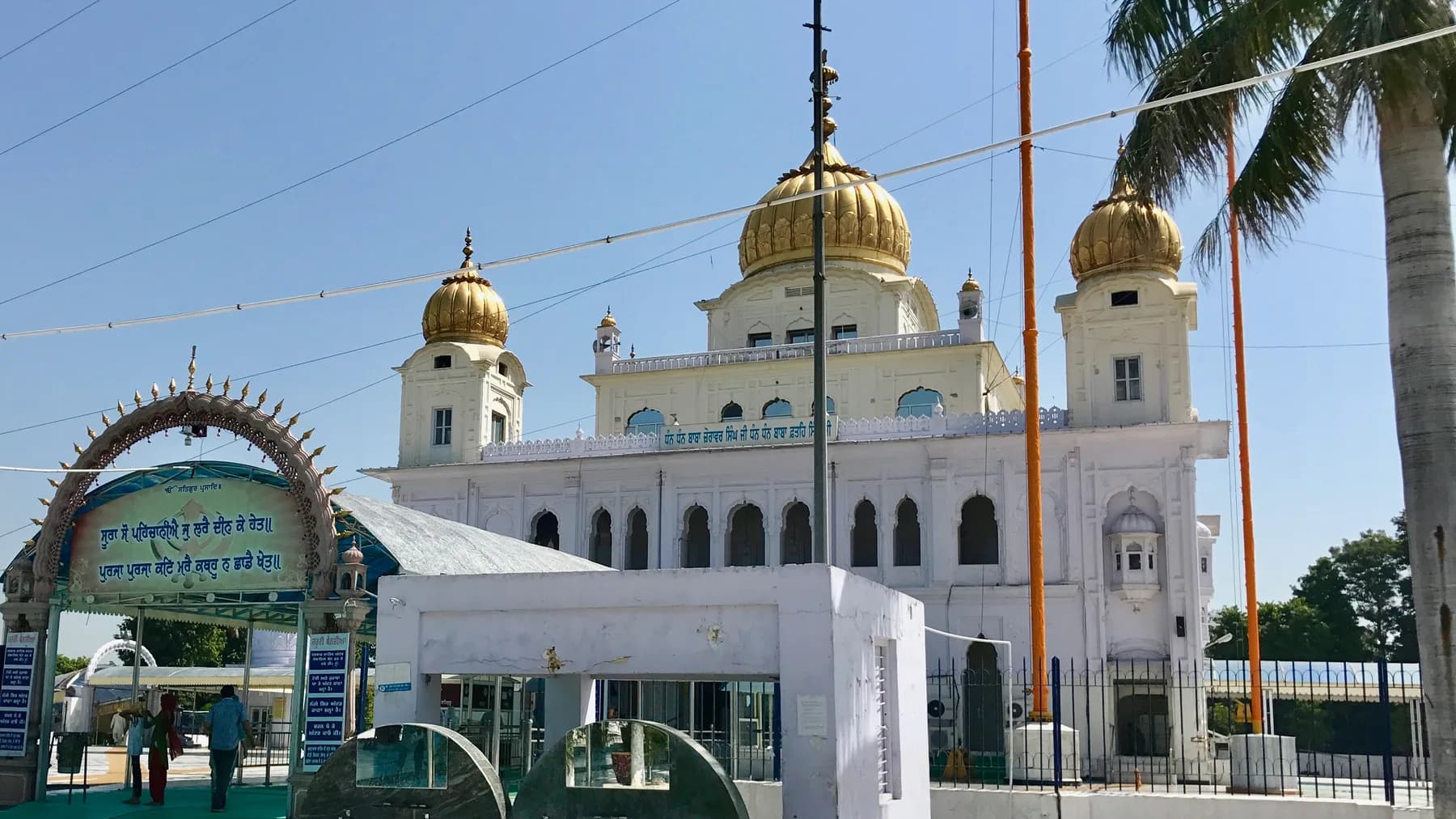
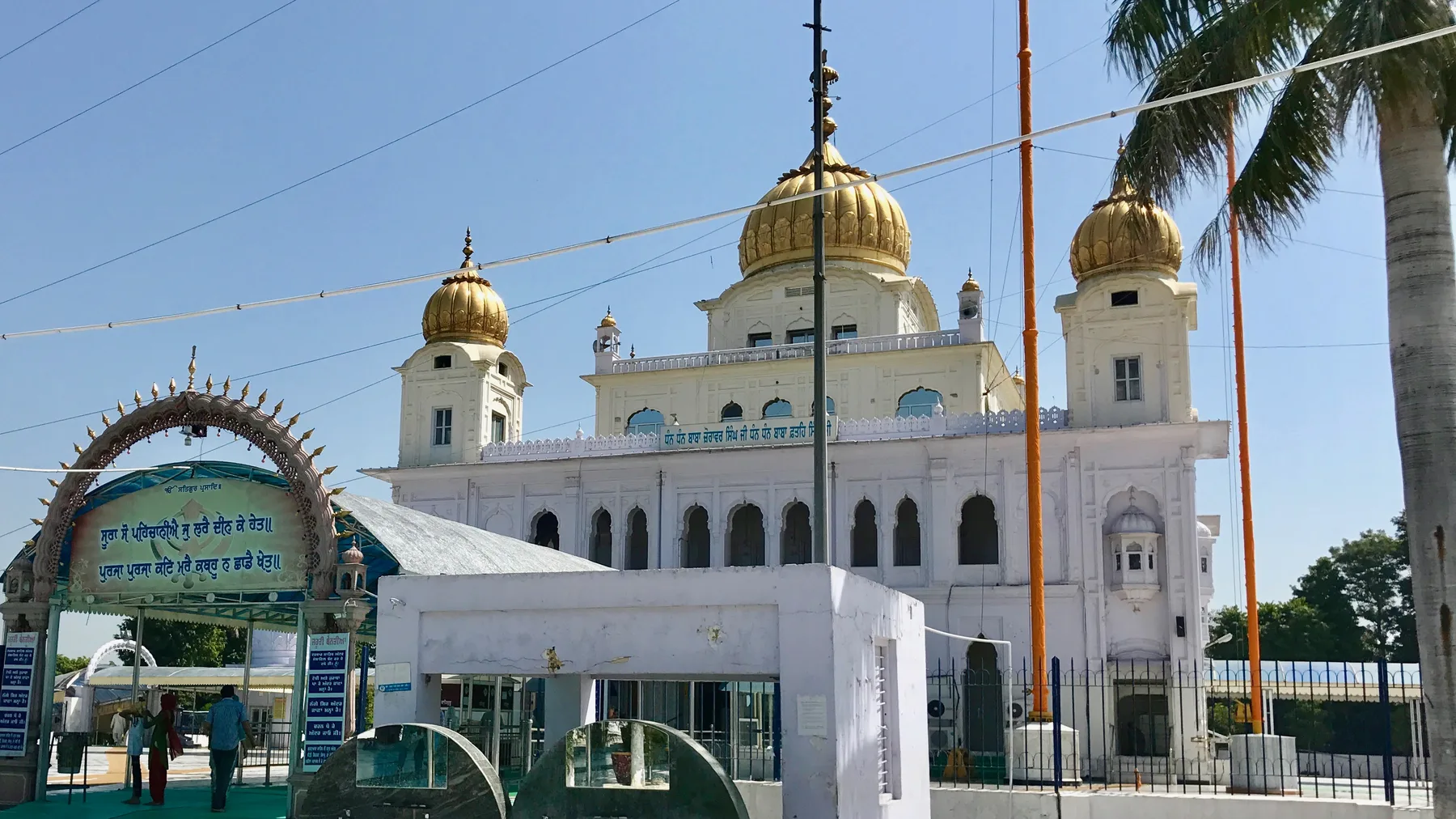
From Sanghol, the road runs through fields to Fatehgarh Sahib, the district headquarters. The town is named after Fateh Singh, the youngest son of Guru Gobind Singh. According to Sikh history, he and his elder brother Zorawar Singh, aged about 7 and 9, were held at Sirhind with their grandmother Mata Gujri and ordered to give up their faith. When they refused, Wazir Khan, the Mughal governor of Sirhind, had them bricked up alive in December 1705 (some accounts give 1704). Five years later, in 1710, Sikh forces under Banda Singh Bahadur captured Sirhind and killed Wazir Khan.
The main gurdwara stands on the spot. Below it is Gurdwara Bhora Sahib, an underground shrine that preserves the wall where the boys were bricked in. Nearby, Gurdwara Burj Mata Gujri marks the Thanda Burj, the cold tower where the boys and their grandmother were held in winter. Take your time here. It is a place of deep grief and devotion for Sikhs, and most visitors move quietly.
Gurdwara etiquette
- Cover your head. Scarves are usually available at the entrance if you forget one.
- Remove your shoes and socks at the shoe counter and wash your feet before entering.
- Do not carry tobacco or alcohol, and dress modestly.
- Ask before taking photos inside, and never photograph people at prayer.
- Langar, the free community meal, is served to everyone. Sit on the floor with others, accept what is offered and don't waste food.
Jyoti Sarup and Jahaz Haveli
Two more places complete the story. Gurdwara Jyoti Sarup lies about 1.5 km south-east of the main gurdwara on the Sirhind–Chandigarh road. This is where Mata Gujri and the two boys were cremated. About a kilometre from the main gurdwara, on the far side of the railway line, stands Jahaz Haveli, the 17th-century mansion linked to Diwan Todar Mal, a wealthy Jain merchant at the court of Sirhind. Sikh tradition says he bought the land for the cremation by covering it with gold coins. Historians debate some details, but the haveli is now being restored by the SGPC with help from the Punjab government and INTACH. Access may be limited during work, so view it from outside if it is closed.
Stop 3: Rauza Sharif and the Ustad–Shagird tombs
Sirhind also matters to Muslims. Close to Gurdwara Fatehgarh Sahib, on the Sirhind–Bassi Pathana road, is Rauza Sharif, the shrine of Shaikh Ahmad Sirhindi. He was a scholar of the Naqshbandi Sufi order who lived here during the reigns of Akbar and Jahangir, and he is widely known as the Mujaddid Alf Sani, the reviver of the second millennium. The district administration notes that pilgrims come from many countries for his annual Urs, and that the date moves about ten days earlier each year. The compound holds several tombs of his family, one known for its fine tile work, along with a large mosque.
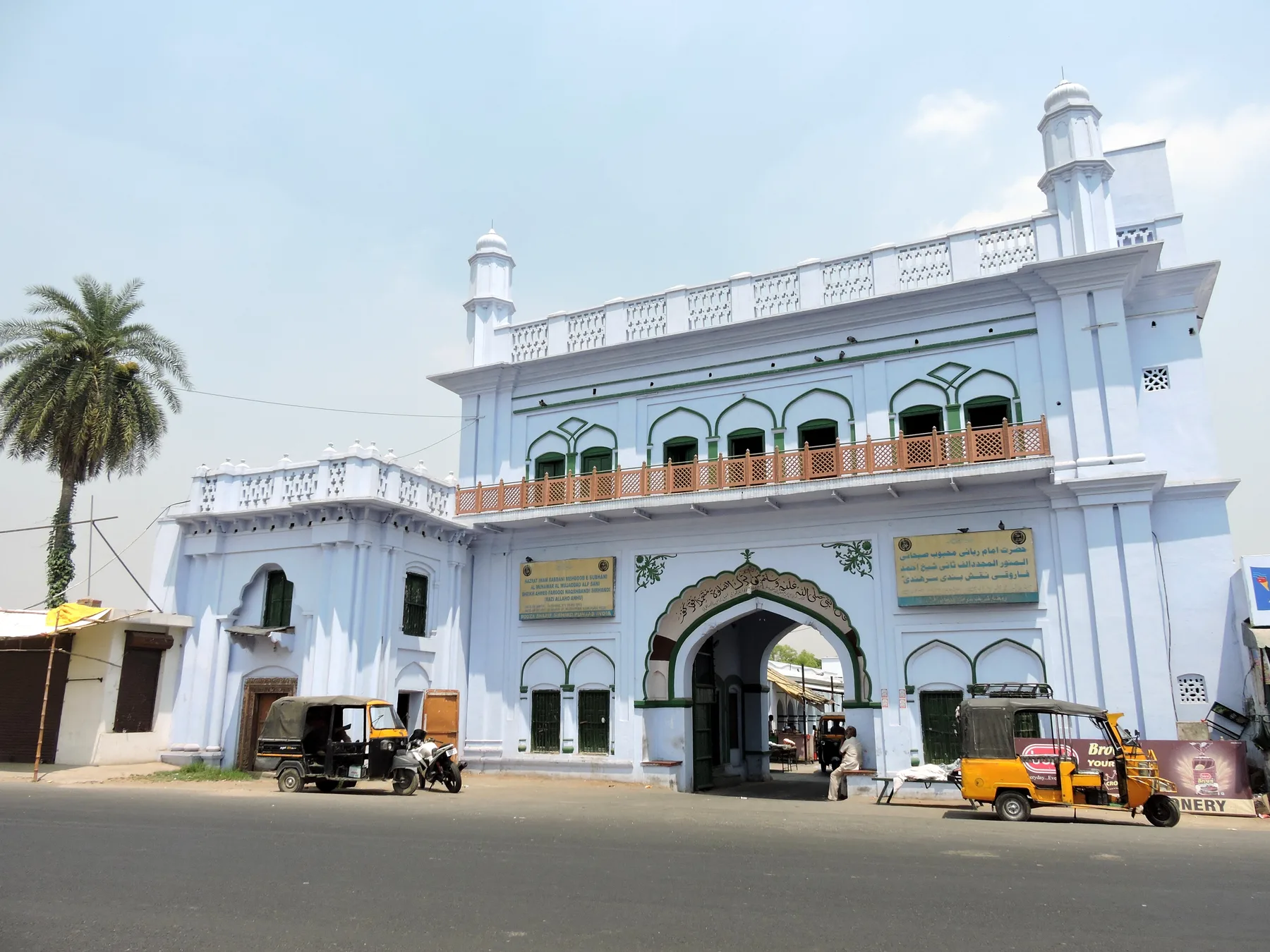
Dress modestly, cover your head if asked, and remove your shoes where required. About a kilometre west, in the village of Talanian, are two 16th-century tombs known as the tombs of the Ustad (master mason) and the Shagird (apprentice). They are almost identical in design, with traces of glazed tile decoration, and make a quick, quiet stop on the way to Aam Khas Bagh.
Stop 4: Aam Khas Bagh, the Mughal rest house
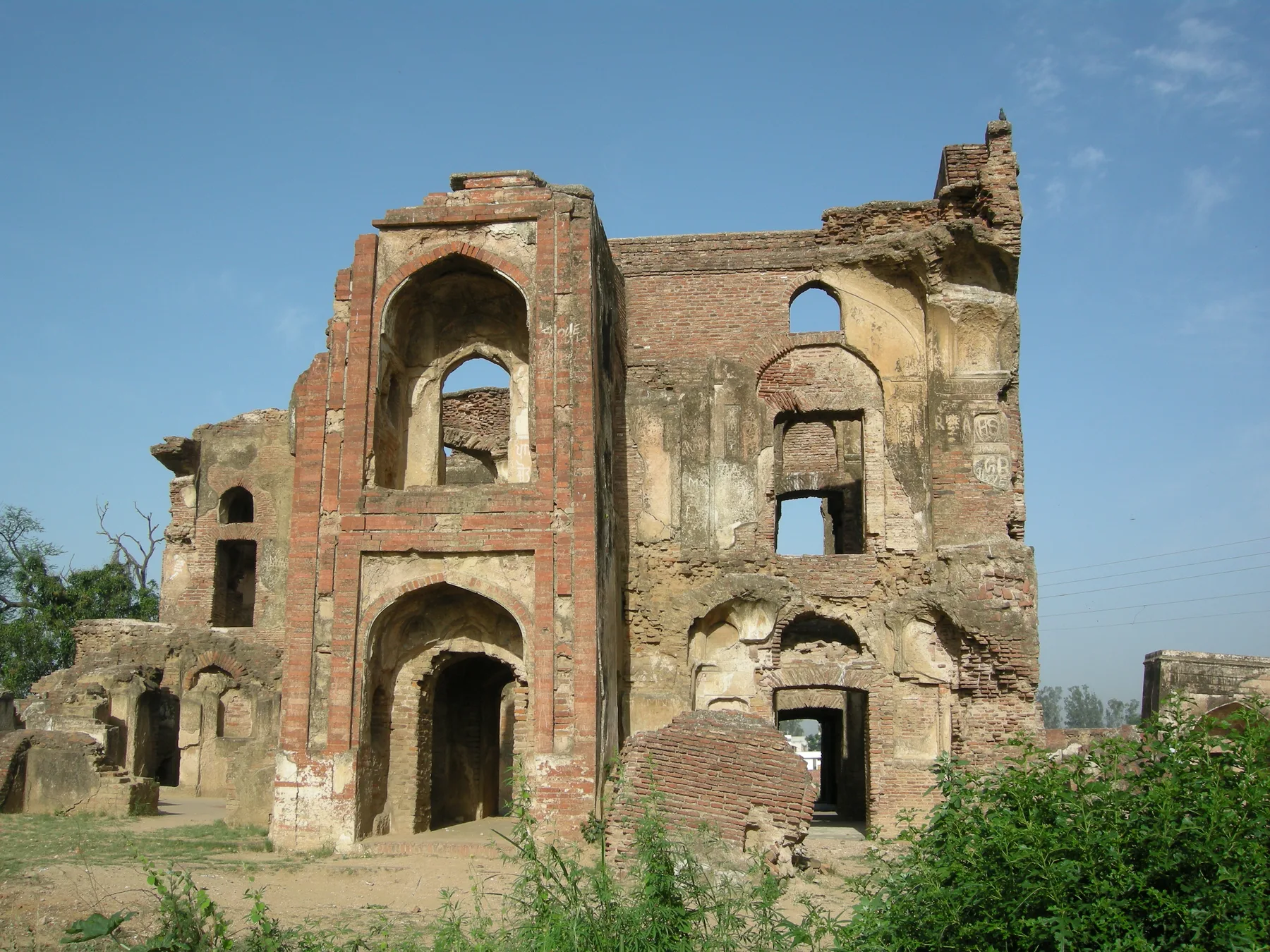
Popular history says the name Sirhind comes from "Sar-i-Hind", the frontier of Hind, because the Mughals saw it as the gateway to Hindustan. Emperors travelling between Delhi and Lahore stopped here, and Aam Khas Bagh is what remains of their royal highway inn. It was first built under Akbar and later rebuilt under Shah Jahan, with one part for the public (aam) and another for royalty (khas).
The district administration describes the palaces as having a cooling system, which is why one building is called Sard Khana, the cold house. Other remains include the Sheesh Mahal (also called Daulat Khana-e-Khas), a hamam or bathhouse with a system for heating water, and a large tank. Many of the brick buildings are now ruined, but enough survives to picture the fountains and tanks in use. A garden and nursery are maintained in the grounds. Entry has been reported as free, but published timings vary, so plan to be here in the afternoon and leave before dusk.
A sample day plan
- 8:30 am: pick up your car in Chandigarh. Check the tyres, lights, fuel and any existing scratches, and note them at handover.
- 8:45 am: head west on NH5 through Kharar. Stop for breakfast on the way.
- 10:00 to 11:15 am: Sanghol Museum and the stupa site.
- 11:45 am to 1:45 pm: Gurdwara Fatehgarh Sahib, Bhora Sahib and Burj Mata Gujri, with langar for lunch.
- 2:00 to 2:45 pm: Gurdwara Jyoti Sarup and a look at Jahaz Haveli.
- 3:00 to 3:45 pm: Rauza Sharif and the Ustad–Shagird tombs.
- 4:00 to 5:00 pm: Aam Khas Bagh.
- 5:00 pm: drive back to Chandigarh on the Sirhind–Chandigarh road, reaching the city around sunset.
If you are visiting on a Monday, skip Sanghol and start directly at Fatehgarh Sahib. You can then add the Mata Chakreshwari temple at Attewali on the Sirhind–Chandigarh road, which the district lists as an ancient temple believed to be about 1,000 years old.
Choosing your car
The loop is about 105 km plus local driving between stops, well within the 250 km a day included on the Chandigarh listings. Roads are flat and mostly paved, so any hatchback or compact SUV works. On 17 October 2026, the Hire N Ride Chandigarh page showed:
- Hyundai i20 Magna (2026): ₹2,520 for one day, the lowest rate listed.
- Tata Tiago XM (2024): ₹2,592 for one day.
- Maruti Suzuki Fronx (2024): ₹2,995 for one day.
- Hyundai Venue HX 5 (2026): ₹3,300 for one day.
The page also showed a deposit from ₹5,000. Rates and availability change, so check the live page before you book.
Documents and practical tips
- Carry your original driving licence and a government photo ID for pickup.
- Keep a scarf or handkerchief in the car to cover your head at the gurdwaras and the shrine.
- Parking near the main gurdwara can fill up on weekends and holidays. Use the marked parking and follow the volunteers' directions.
- Lock the car and keep bags out of sight while you are inside, especially when you leave your shoes at the counter.
- Carry water and some cash as well as UPI for parking, offerings and small stalls.
- Return the car with the agreed fuel level.
More drives from Chandigarh
For more Sikh heritage, read our guide to driving from Chandigarh to Anandpur Sahib, where the Khalsa was founded. If you want hills and forest instead, try our Morni Hills drive from Chandigarh. And if Fatehgarh Sahib makes you want to see the Golden Temple, you can rent a car in Amritsar and explore from there. For a full list of sights in the district, see the Fatehgarh Sahib tourist places page.
Conclusion: three histories in one easy day
Few day trips from Chandigarh cover so much in so little distance. In one loop you see Kushan stonework at Sanghol, stand where the Sahibzade were martyred at Fatehgarh Sahib, visit a Sufi shrine honoured across South Asia, and walk through the ruins of a Mughal emperor's rest house. Leave early, skip Monday if you want the museum, dress respectfully and be on the road home by 5 pm. A self-drive car rental in Chandigarh lets you set the pace for all of it.
Ready for Sirhind? Book a car in Chandigarh, check today's rates and deposit, and plan an early start.
About the author: Nitin Kanish writes road-trip and self-drive guides for Hire N Ride. He likes routes that pack several layers of history into one day, and he focuses on the practical details that make a rental day work, such as opening days, parking and daylight.


_03.jpg)