By Manjot Kaur · 21 October 2026
Most people see Bhandardara at the height of the monsoon, when traffic on the ghat road backs up and the district sometimes closes viewpoints because of heavy rain. Late October is quieter, and in some ways it is the better time to go. The heaviest rain is over, the weekend crowds have thinned, and the lake behind the Wilson Dam is as full as it gets. On 16 October 2026, the Marathi daily Pudhari reported that, according to the Water Resources Department, Bhandardara held 100% of its usable storage, while the state's dams overall stood at 72%.
Bhandardara is about 175 km from south Mumbai by road, over the Kasara ghat and past Igatpuri. It is too far for an easy half-day, but it makes a very good overnight trip, or a long day if you start early. This guide covers the route, what to see around Arthur Lake, what you will and won't find in late October, and how to plan the day. If you are ready to go, book a self-drive car in Mumbai and plan to leave before 6 am.
Key Takeaways
- Why now: Pudhari reported on 16 October 2026 that the Bhandardara dam was 100% full. Maharashtra Tourism rates winter as a good season for trekking and camping here.
- The route: about 176 km from CSMT to Shendi, the village at the dam, by map routing. Most of it is the Mumbai–Nashik highway (NH160) as far as Igatpuri, then a narrower road from Ghoti.
- What to see: Arthur Lake, the Wilson Dam (completed in 1926), the 9th-century Amruteshwar temple at Ratanwadi and Randha Falls on the Pravara river.
- Manage expectations: Randha Falls and the "Umbrella Falls" at the dam depend on water released from the dam. The district describes them as monsoon sights, so they may be thin or dry by now.
- Daylight: sunset at Bhandardara is about 6:07 pm on 21 October and 6:01 pm on 31 October. Do the Ghoti road before dark.
- Car: on 21 October 2026, the Hire N Ride Mumbai page listed a self-drive car at ₹2,400 for one day, with a ₹1,000 security deposit.
Why late October suits Bhandardara
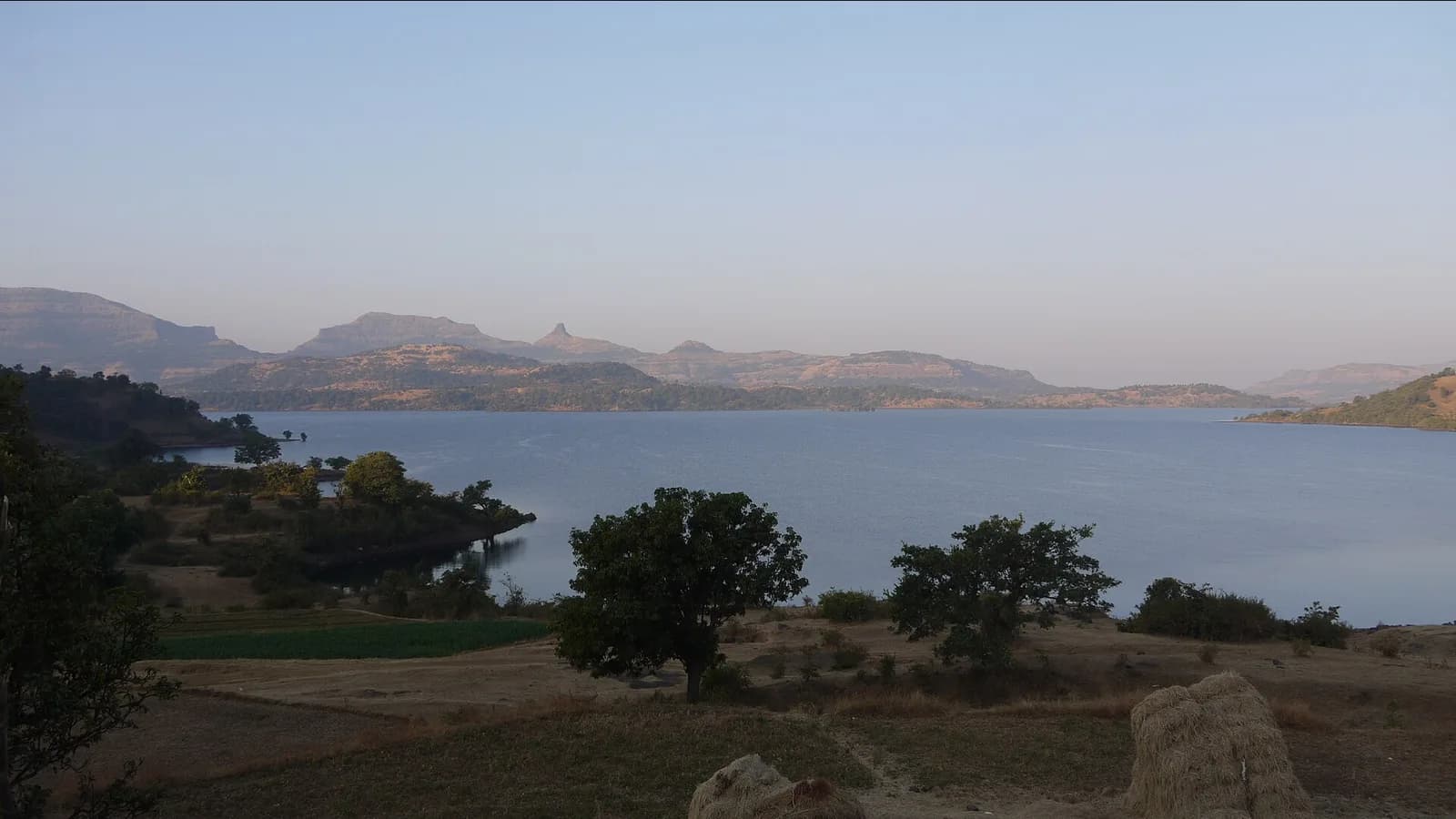
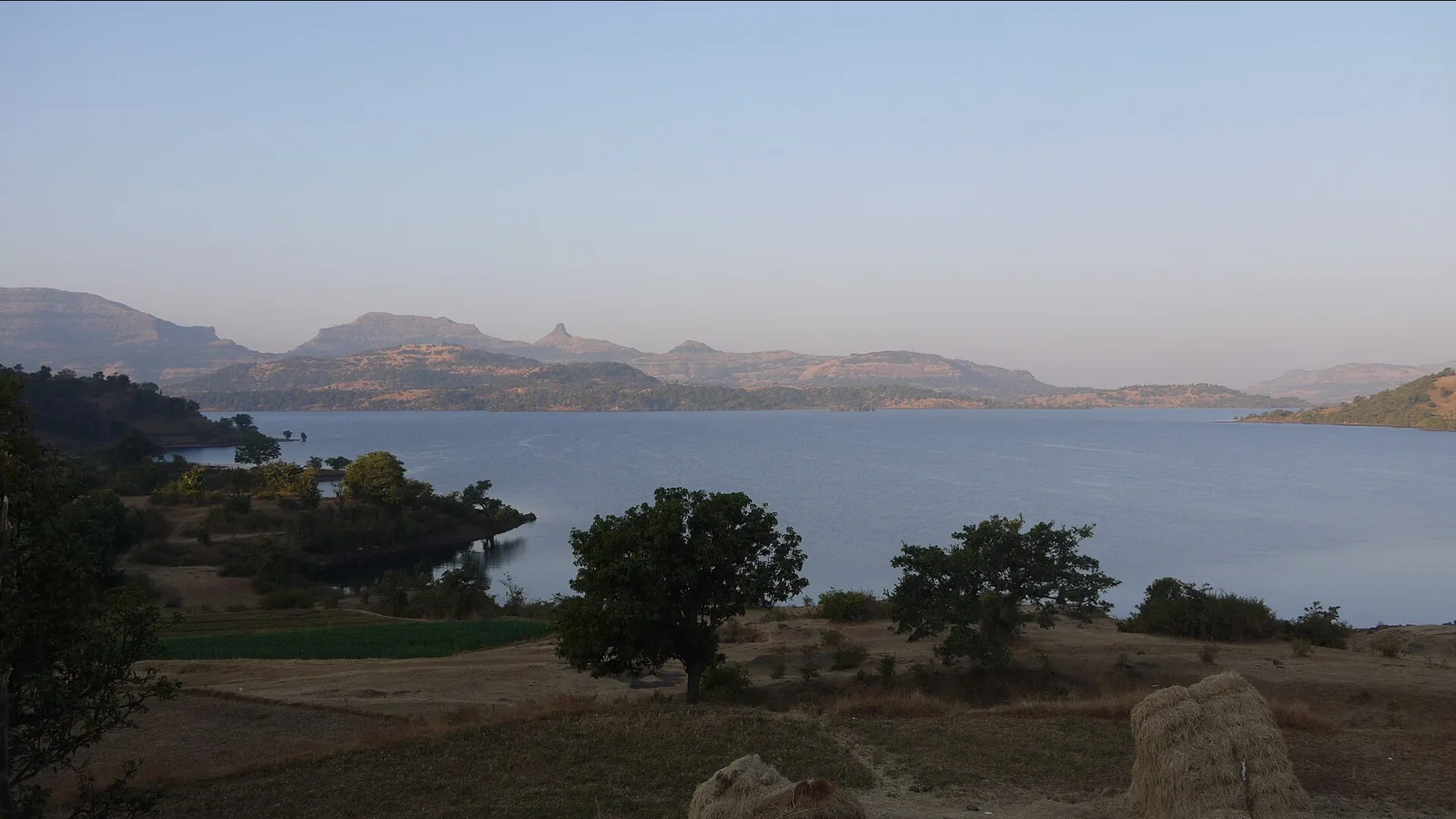
Bhandardara is a small holiday village on the Pravara river in Akole taluka, Ahilyanagar district, just over the Nashik district line. Its main sight is the reservoir called Arthur Lake, which is held back by the Wilson Dam. According to the Maharashtra Tourism page on the dam, the best time to visit is from June to February, when the lake is full and the hills are green, and winter is good for trekking and camping.
The 2026 monsoon was strong in this catchment. On 24 July, ETV Bharat Marathi reported that the dam was about 95% full and that up to 15,000 cusecs were being released through the spillway. Because of the heavy rain and strong winds, the administration closed all tourist spots around Bhandardara to visitors until further notice. By 27 August, the newspaper Deshdoot reported that both Bhandardara and the downstream Nilwande dam were full and overflowing. On the long weekend of 15 and 16 August, police ran a one-way traffic plan around the lake because of crowds and road repairs.
Mid-October is a different picture. The lake is full and the monsoon crowds have gone. News18 Marathi reported on 16 October that water had been released from Bhandardara and Nilwande into the Pravara riverbed. Reservoir records published from Central Water Commission data show the lake is usually at its fullest around October and at its lowest around May. So for the next few weeks, you get the view the dam's builders wanted: a long lake filling the valley between the Kalsubai range and the hills around Ratangad.
The route from Mumbai to Bhandardara
The usual road route runs from Mumbai to Thane, up the Mumbai–Nashik highway to the Kasara ghat, then past Igatpuri to Ghoti, where you turn off for Bhandardara. These are map-routing distances, so allow extra time for traffic and stops:
- CSMT to Thane: about 34 km. From the western suburbs, the Ghodbunder road joins the Nashik highway beyond Thane.
- Thane to Igatpuri: about 103 km on NH160, past Bhiwandi and Shahapur, then up the Kasara ghat.
- Igatpuri to Ghoti: about 7 km.
- Ghoti to Shendi (Bhandardara): about 32 km on a two-lane road across the plateau.
- Total: about 176 km from CSMT, or about 142 km from Thane. Map routing gives a little over two hours from CSMT in empty traffic. In practice, plan on three and a half to four hours.
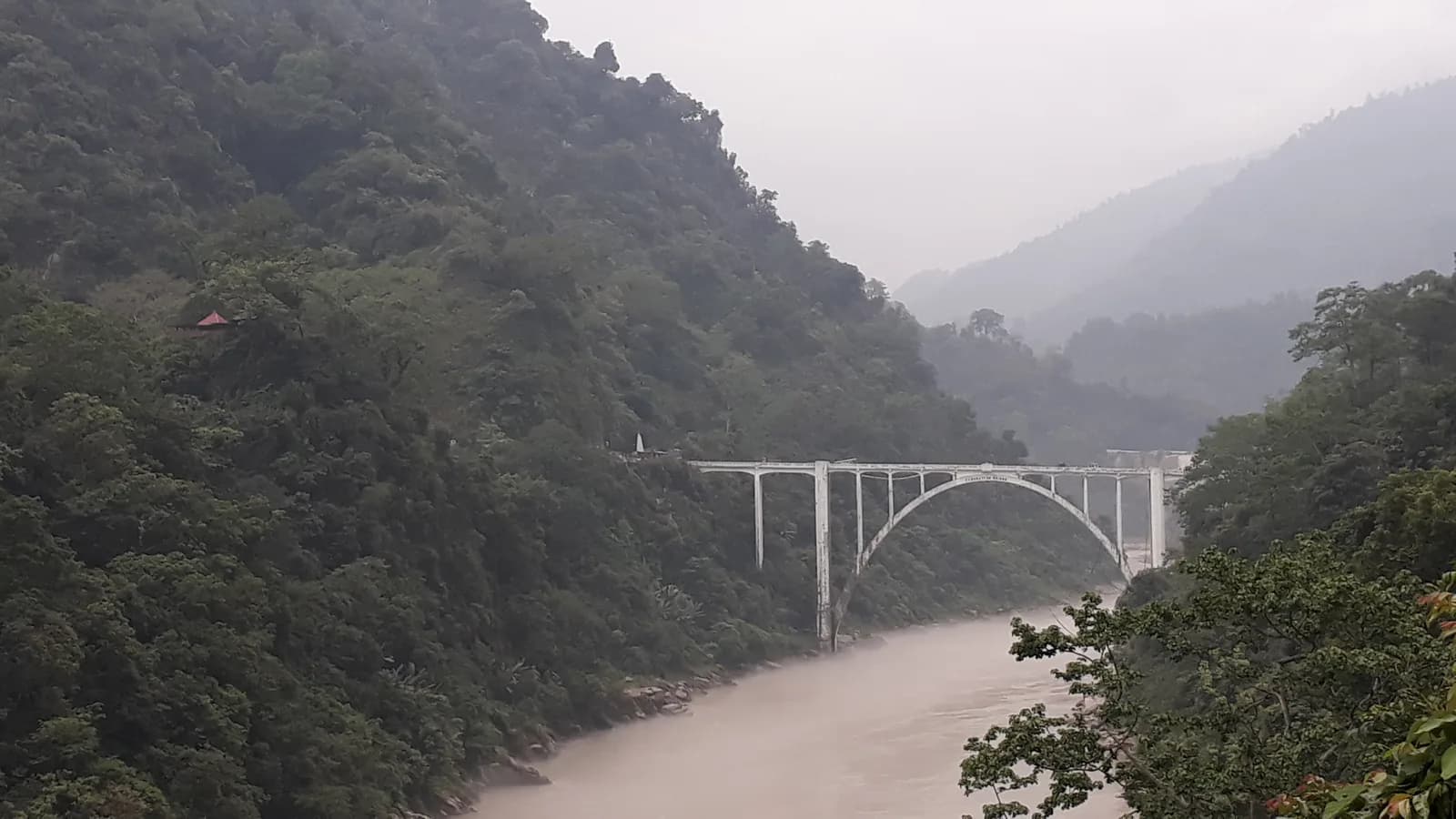
The Kasara ghat. This climb, also called the Thal ghat, carries the highway and the railway from the Konkan up to the Deccan plateau. Since 2009 the road has had separate two-lane carriageways for each direction, so you won't face oncoming traffic on the bends. You will meet trucks and buses, so stay in your lane and use a low gear on the way down.
The Samruddhi option. The Mumbai–Nagpur Expressway (Samruddhi Mahamarg) was opened along its full length in June 2025, including its long tunnel near Igatpuri. Some drivers use it for part of the climb. It is a tolled, access-controlled road, so check your route and exits before you leave.
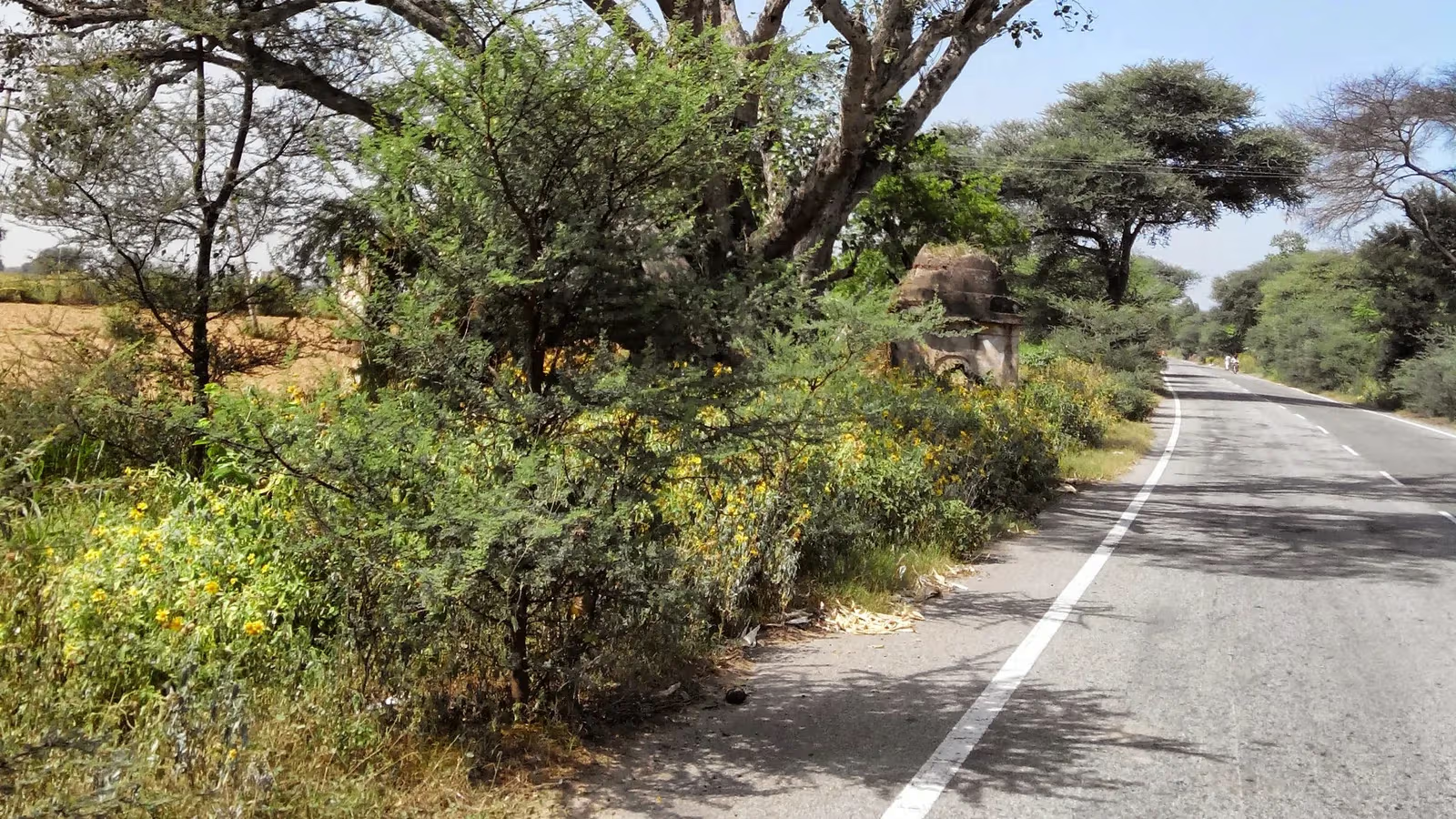
The last 32 km. After Ghoti, the road narrows and passes villages, paddy fields and small lakes. Travellers' reports from 2026 describe broken patches on this stretch, especially near Shendi. Don't rely on the map's arrival time here. Drive slowly, watch for cattle and buses on blind bends, and plan to do this section in daylight.
What to see around Bhandardara
Arthur Lake
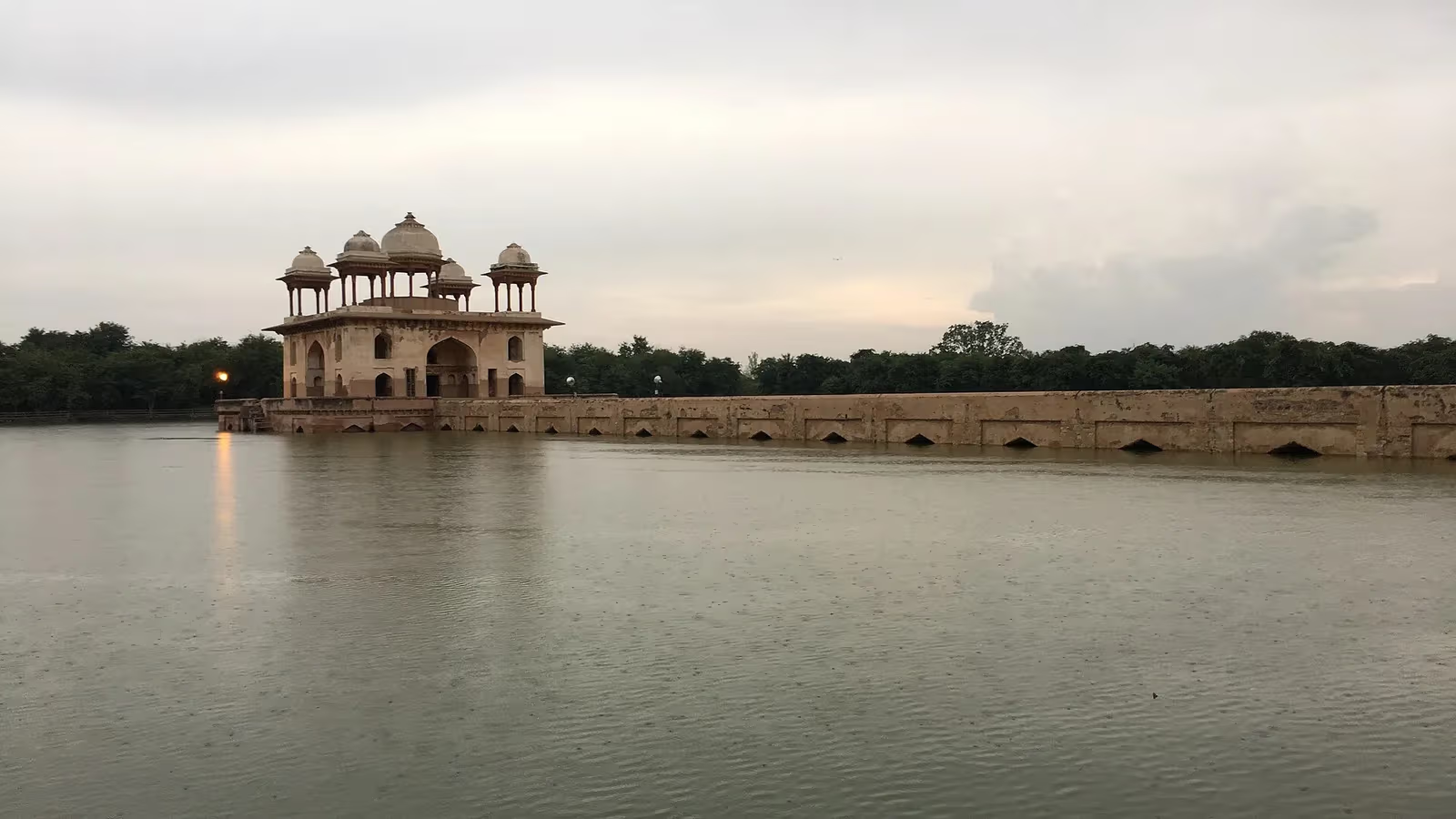
Arthur Lake, also called Bhandardara Lake, formed when the Wilson Dam was built across the Pravara. The district administration's Bhandardara page describes it as fed by the Pravara, with forests, hills and waterfalls around it. Maharashtra Tourism lists boating and camping as popular activities on its shores. Camps and resorts around the lake vary a lot, so book through a provider with recent reviews, and ask about toilets, drinking water and how they handle fires and noise.
The best light is early and late in the day. Mornings in late October can start hazy over the water and clear by nine. In the evening, the hills to the west go dark against the sky before sunset at about 6 pm.
The Wilson Dam
The dam came first. According to the history recorded by the Ahmednagar irrigation authority, engineers had looked for a dam site on the Pravara since the 1880s, rejecting several, before choosing Iswarde. The dam took the name of the nearby village of Bhandardara and was built between 1910 and 1926. It was proposed at 250 feet high, which made it the highest dam in India at the time. It stores about 11,039 million cubic feet of water, which is sent down the Pravara to a weir at Ozar, about 85 km downstream, to feed canals.
Maharashtra Tourism says the dam was named after Sir Leslie Orme Wilson, the Governor of Bombay. The irrigation authority adds that the dam was strengthened after the 1967 Koyna earthquake, and that hydroelectric power has been generated from its released water since 2001.
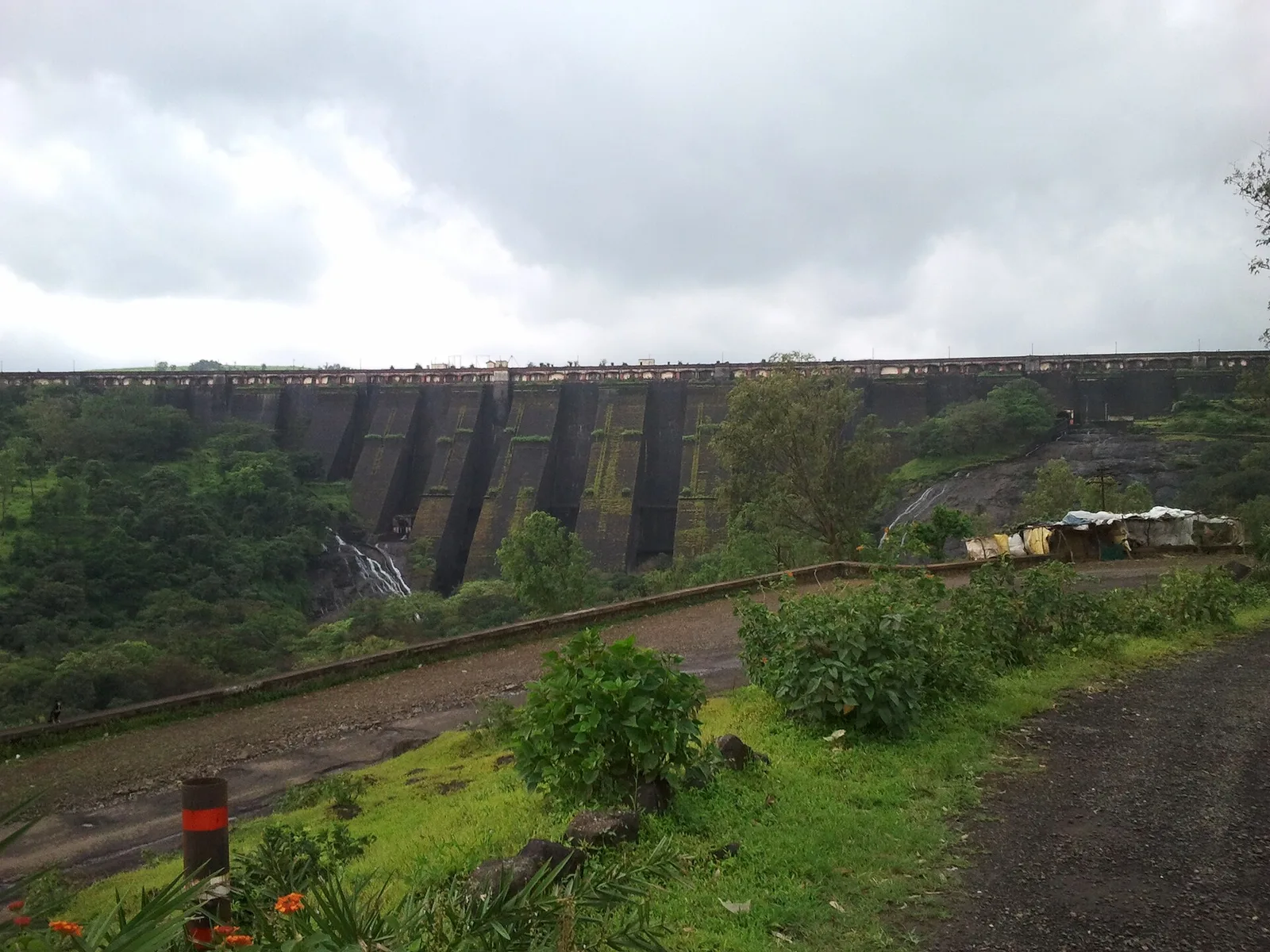
You can see the dam wall from the road and the bridge near the spillway. The "Umbrella Falls" form when water released from the dam hits a rock below the wall and spreads out like an umbrella. The district says it appears from July to October. Whether you see it in late October depends on releases on the day.
Amruteshwar temple, Ratanwadi
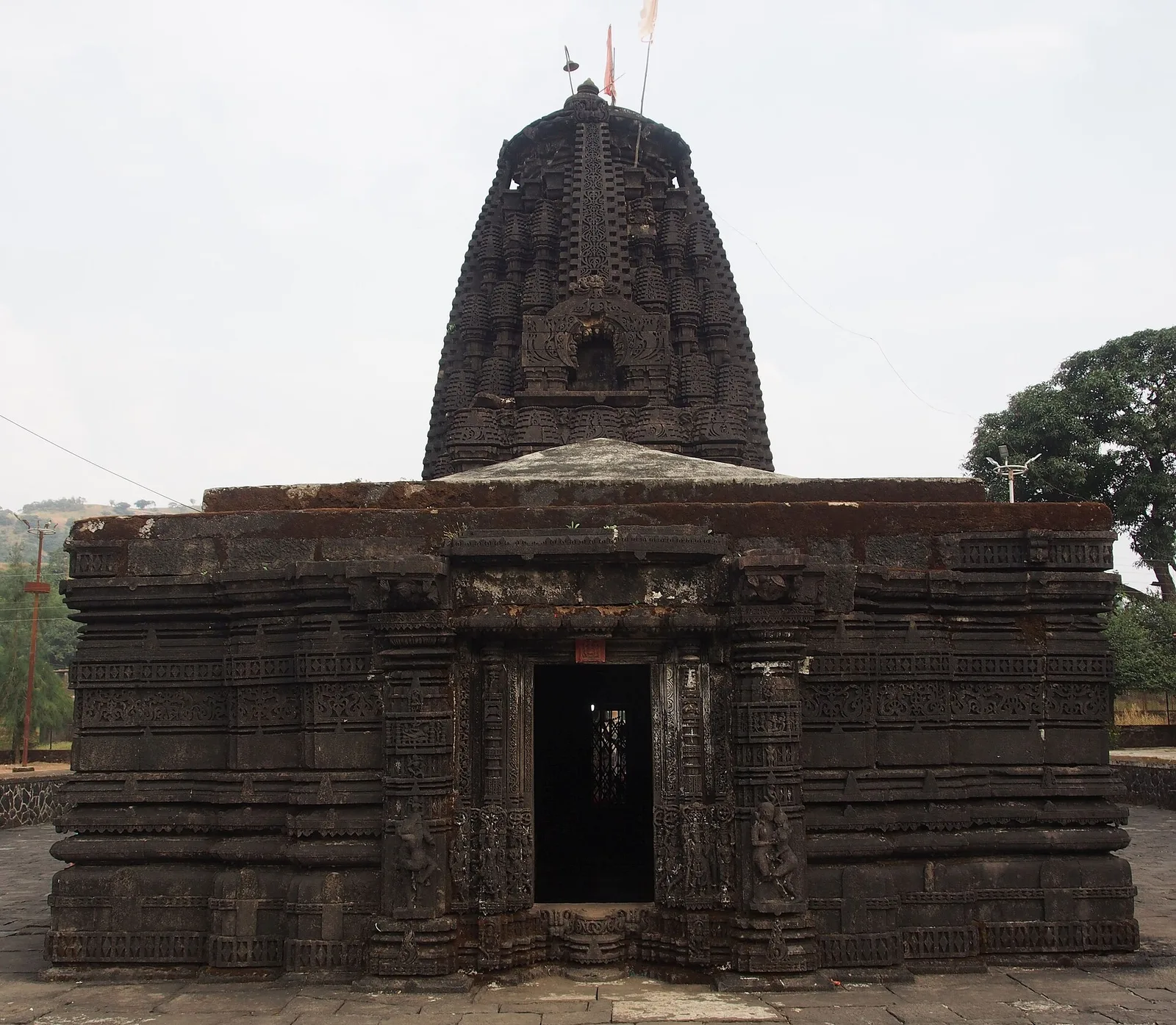
Ratanwadi is a small village at the far, western end of the lake, about 19 km by road from Shendi. Its Amruteshwar temple, built of dark stone, is the oldest structure you are likely to see on this trip. Maharashtra Tourism dates it to the 9th century and describes it as Hemadpanti in style. The Archaeological Survey of India lists it as a monument of national importance.
Look for the carved spire over the shrine, the perforated stone windows and the stepped tank, or pushkarani, beside the temple, with small niches holding images of Ganesha and forms of Vishnu. The temple is an active place of worship, so take your shoes off where asked and keep your voice down inside.
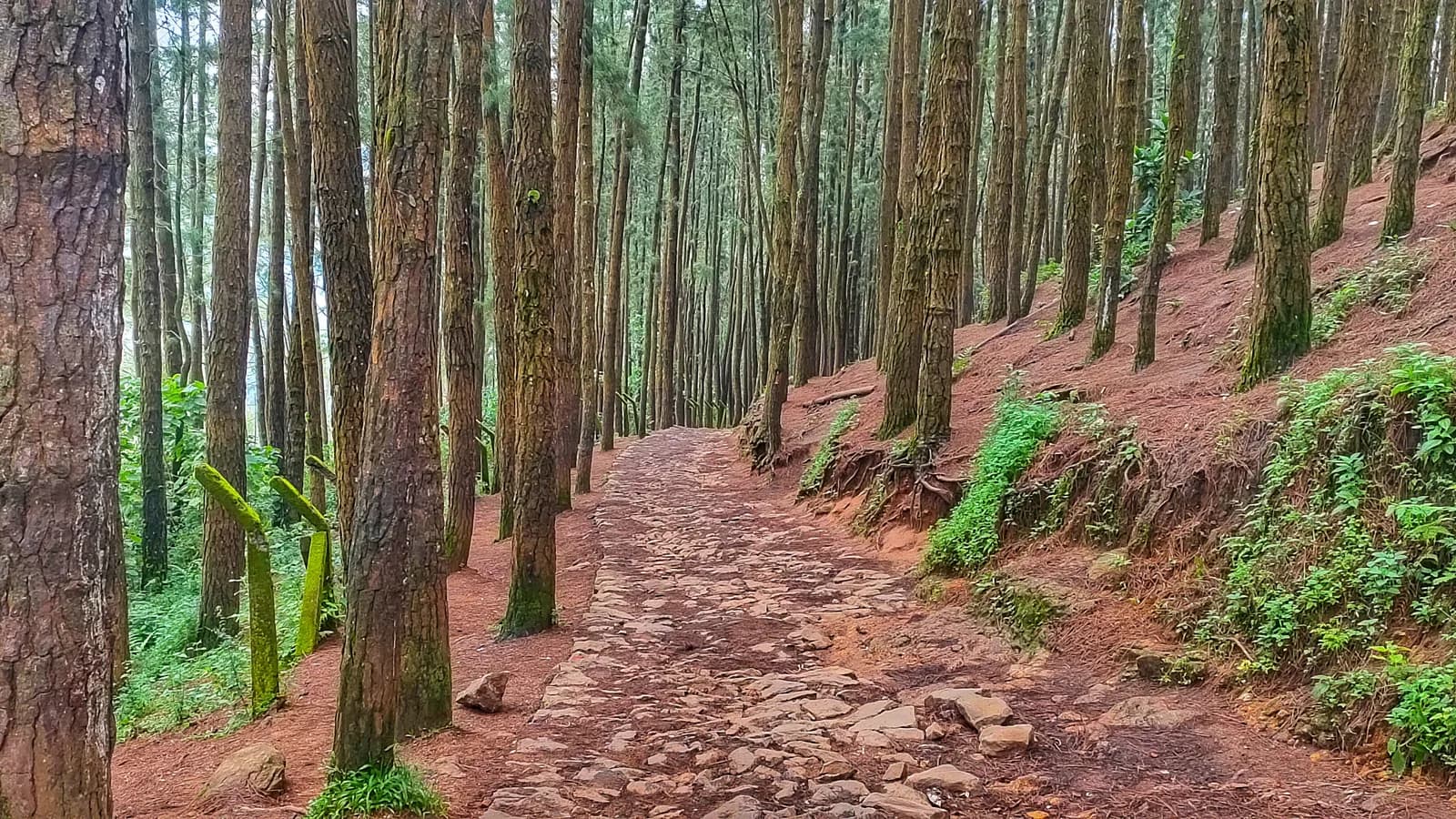
The road around the lake to Ratanwadi passes through the Kalsubai–Harishchandragad Wildlife Sanctuary. Travel guides report a forest department checkpoint past the dam that collects an entry fee, but the published rates vary from one guide to the next. Carry some cash and keep the receipt.
Randha Falls
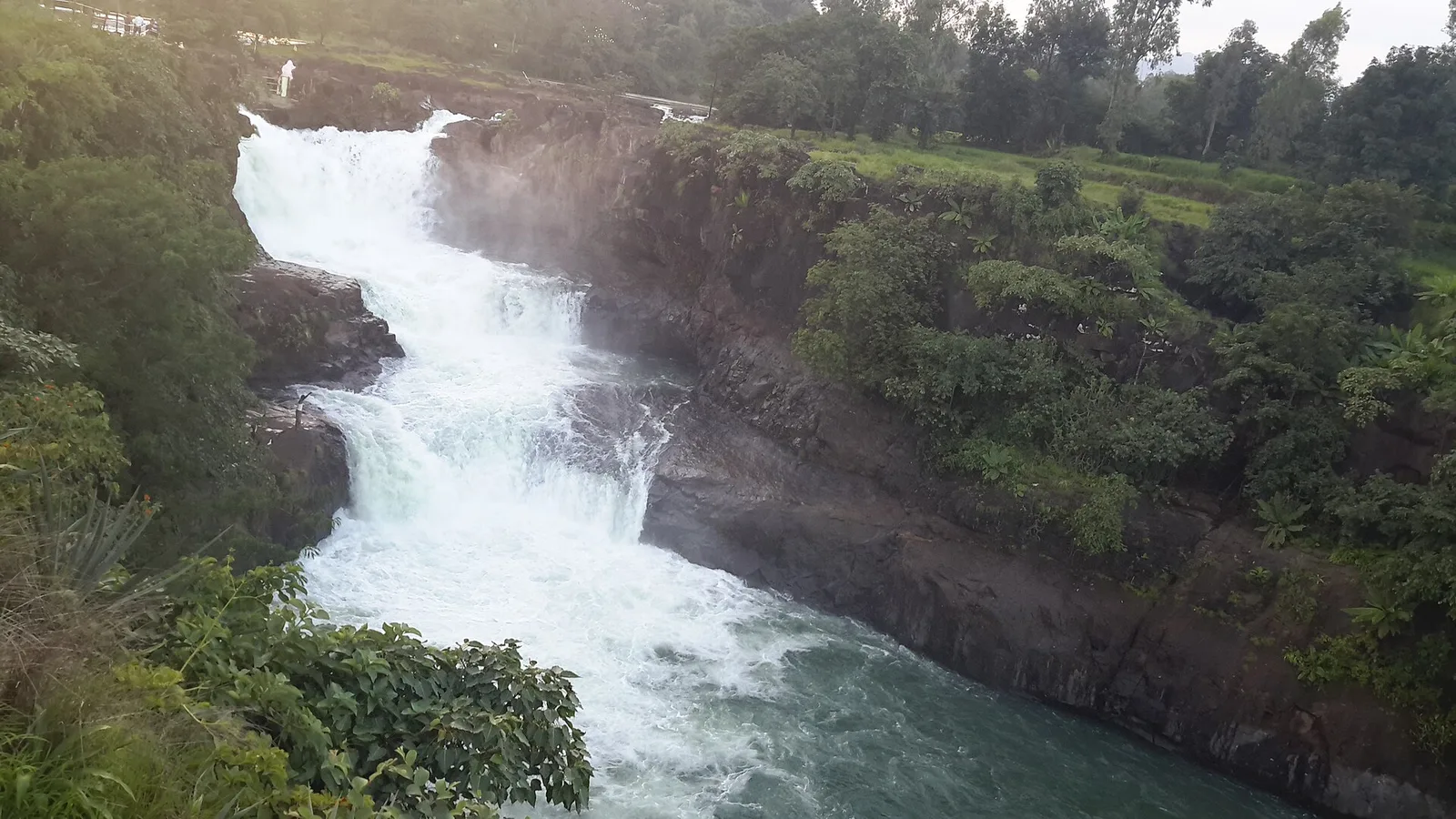
Randha Falls is on the Pravara at Randha village, about 10 km from Shendi, downstream of the dam. Maharashtra Tourism says the river drops about 170 feet into a deep gorge. In the monsoon it is huge. But the district's Bhandardara page notes that, because of the hydropower project, the waterfall is now seen mainly in the rainy season. In late October, expect a much smaller flow, or none, depending on how much water the dam is releasing. It is still worth a short stop to see the gorge, but don't plan the trip around it.
Kalsubai and Ratangad, for walkers
Kalsubai, at 1,646 metres, is the highest peak in Maharashtra, and its range forms much of the lake's catchment. The usual trek starts from Bari village and is about 13 km there and back, with a climb of around 820 metres. That makes it a full day on its own, so if you want to walk, stay overnight and give it the next morning. Ratangad, the fort on the hill above Ratanwadi, is another popular trek, known for the natural rock hole near its summit. Both are treks, not drives, so carry water, start early and go with someone who knows the trail.
A suggested plan
As a long day trip:
- 5:45 am: pick up the car in Mumbai and head for Thane before the traffic builds.
- 8 am: breakfast near Kasara or Igatpuri.
- 9:30 am: arrive at Shendi. Walk to the dam viewpoints and the lake shore.
- 11 am: drive around the lake to Ratanwadi for the Amruteshwar temple.
- 1 pm: lunch back near Shendi.
- 2:15 pm: a short stop at the Randha gorge.
- 3:30 pm: leave for Mumbai, so the Ghoti road and the ghat descent are done in daylight. Expect to be back between 7:30 and 8:30 pm.
As an overnight: do the dam and Ratanwadi on the first afternoon, stay by the lake for the evening sky, then either trek Kalsubai from Bari or watch the sunrise over the water and drive home after breakfast. It is a more relaxed trip, and it keeps the whole Ghoti stretch in daylight.
Tips for the drive
- Fuel: the Mumbai page says fuel is not included, and the car follows a full-to-full policy. Fill up in Mumbai or on the highway before you turn off at Ghoti.
- Tolls and FASTag: the Mumbai page lists fuel and tolls as the only extras on your bill. Make sure FASTag works before the first toll plaza.
- Phone signal: coverage around the lake can be patchy. Download offline maps of the Igatpuri–Bhandardara area before you leave.
- Documents: keep your original driving licence with you. The Mumbai page says renters must be at least 21 and hold a valid Indian licence with at least one year of driving experience.
- Weekends and holidays: long weekends bring crowds and slower traffic to Bhandardara. A weekday trip is easier if you can manage it.
- Safety at the water: stay back from the spillway, the gorge edges and any fast water, and follow notices from the police and the dam staff.
Choosing your car
This is a highway drive with one rough, narrow stretch at the end, so a small car is enough if you take the patches near Shendi slowly. On 21 October 2026, the Hire N Ride Mumbai page listed one self-drive car: a 2026 Hyundai Grand i10 Nios Sportz (petrol, manual) at ₹2,400 for one day, with a ₹1,000 security deposit and home delivery within 5 km. Rates and availability change, so check the live page before you book.
Looking for more drives from the city? Our guide to driving from Mumbai to Matheran explains where the road ends, our Karla and Bhaja caves day heads up the old Pune road past Lonavala, and our Alibaug guide compares the Mandwa ferry with the Pen highway.
Conclusion: go while the lake is full
Bhandardara is at its fullest for only a few weeks a year, after the rains and before the winter releases start lowering the lake. Right now you get the full reservoir and a century-old dam, a stone temple more than a thousand years old at the end of the lake, and quiet roads, all a morning's drive from the city. With a self-drive car rental in Mumbai, you can leave early, stop where you like and choose whether to come back the same night or stay for the stars.
Ready to go? Book a self-drive car in Mumbai, start before 6 am, and be at Arthur Lake by mid-morning.
About the author: Manjot Kaur writes road-trip and self-drive guides for Hire N Ride. She checks distances, official timings and the latest local news, so renters know what to expect before they set off.