By Manjot Kaur · 11 October 2026
Guwahati is usually the starting point for big trips: Shillong, Kaziranga, Meghalaya's waterfalls. But some of the most rewarding places in the region sit less than an hour from the city, on the north bank of the Brahmaputra. In one easy day with a car rental in Guwahati, you can watch silk being woven by hand in Sualkuchi, then climb a hill in Hajo to a stone temple that Hindus and Buddhists both hold sacred, with a Muslim shrine on another hill close by.
This guide is for travellers who want a slower, more local day out. It is also for Guwahati car owners who want to understand the short trips visitors plan, and why a clean, reliable car with good reviews keeps getting booked.
Key Takeaways
- Distance: by OSRM routing, about 32 km from central Guwahati to Sualkuchi, about 10 km more to Hajo, and about 41 km back to the city. That is a loop of roughly 83 km.
- Sualkuchi: a weaving town often called the "Manchester of Assam", known for muga, pat and eri silk, mekhela chadors and gamosas.
- Hajo: a hill town where Hindus, Buddhists and Muslims all have pilgrimage sites, including the Hayagriva Madhava Temple and the Poa Mecca shrine.
- Best plan: leave early, see the looms in the morning, and climb to the temple in the softer afternoon light.
- Book: compare cars and host reviews on the Guwahati car rental page.
Why this day trip works so well
Many visitors only see Guwahati as a transit city on the way somewhere else. This loop changes that. It is short enough that you are never rushing, but it packs in craft, history, faith and river views. There are no long mountain roads and no early-morning safari slots to chase. You just drive, stop, look and talk to people.
It also suits almost every kind of traveller. Families can keep the walking short. Couples can linger in the silk shops. Photographers get looms, temple carvings and wide views of the Brahmaputra plains. And if you are in Guwahati for work, it fits neatly into a free day.
The route: across the river to the north bank
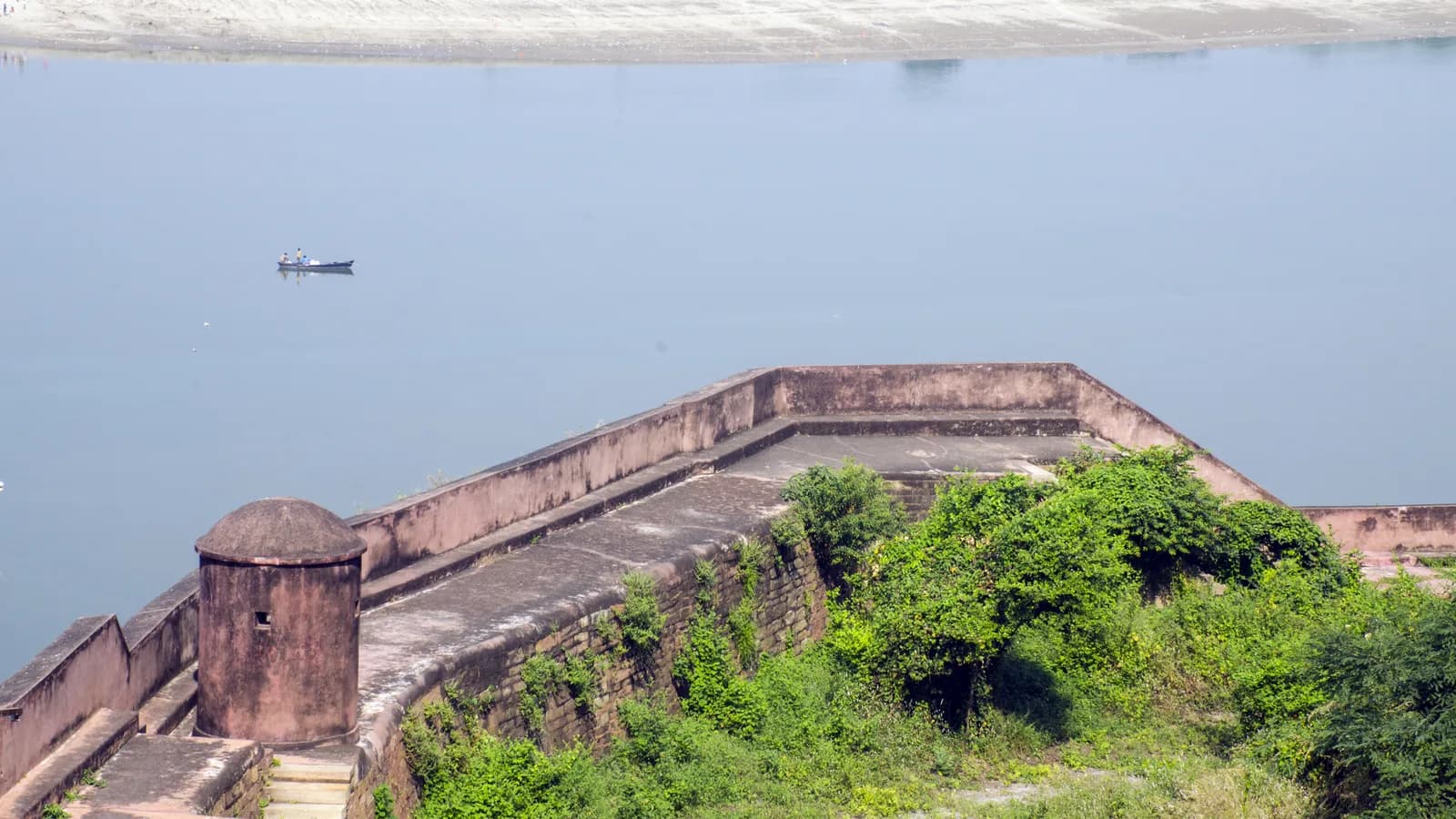
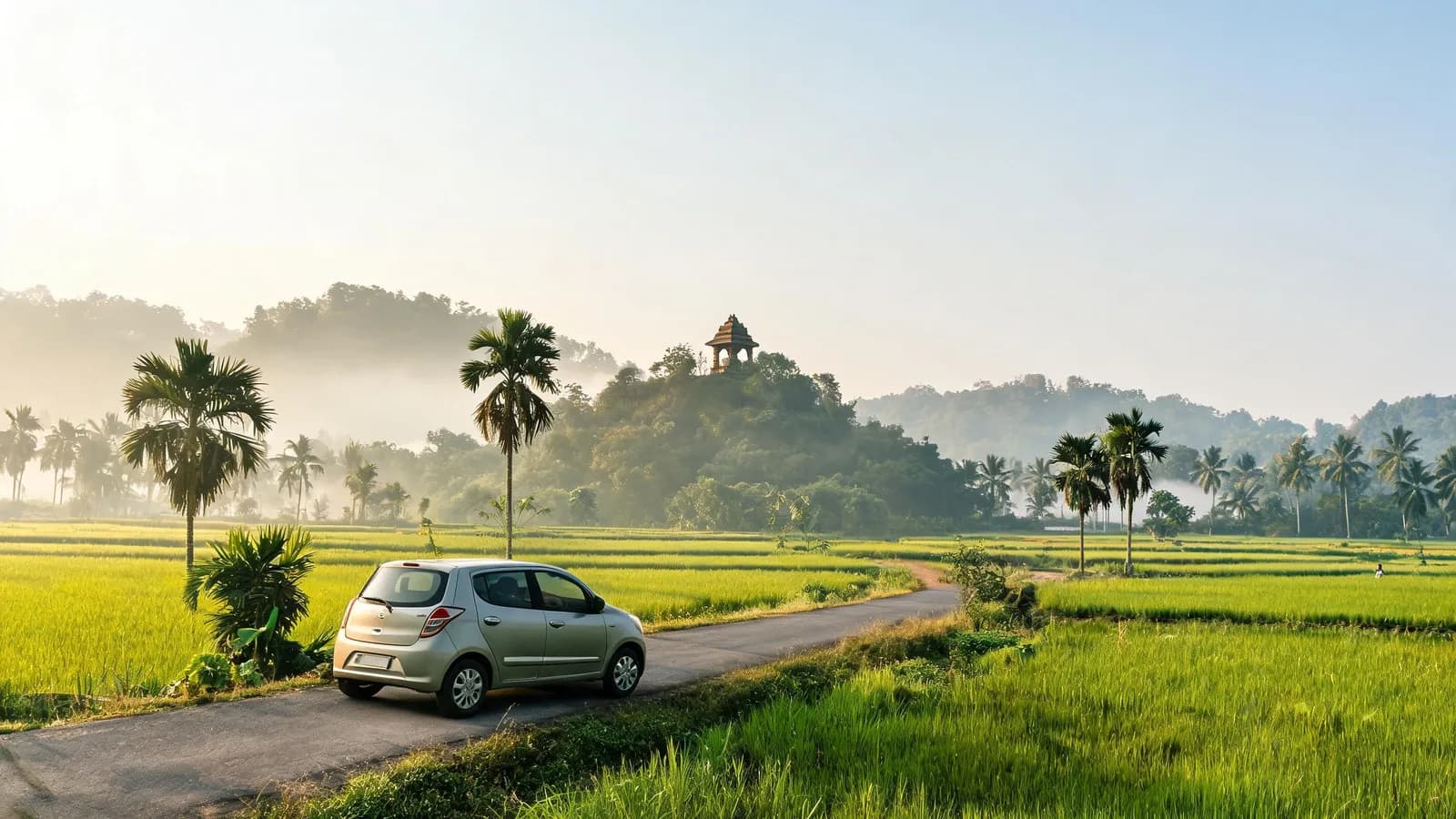
From the city, your navigation app will take you west and across the Brahmaputra to the north bank, then on through small towns and farmland to Sualkuchi. By OSRM routing, the first leg is about 32 km and takes around 40 minutes without traffic, though city traffic can easily add more. From Sualkuchi, Hajo is only about 10 km away. The drive back to Guwahati from Hajo is about 41 km.
Some tips for the road:
- Start before 8 am. Leaving the city early helps you avoid the worst of the traffic near the bridges.
- Follow live navigation. Road works and diversions change often, so trust your app on the day rather than a fixed route.
- Expect mixed traffic. You will share the road with trucks, buses, auto-rickshaws, bicycles, school children and cattle. Slow down in every market and village.
- Fuel up in the city. Fill the tank before you leave so you do not have to search for a pump later.
- Park thoughtfully. Lanes in Sualkuchi are narrow. Park on a wider road and walk in, rather than squeezing the car between houses.
First stop: the looms of Sualkuchi
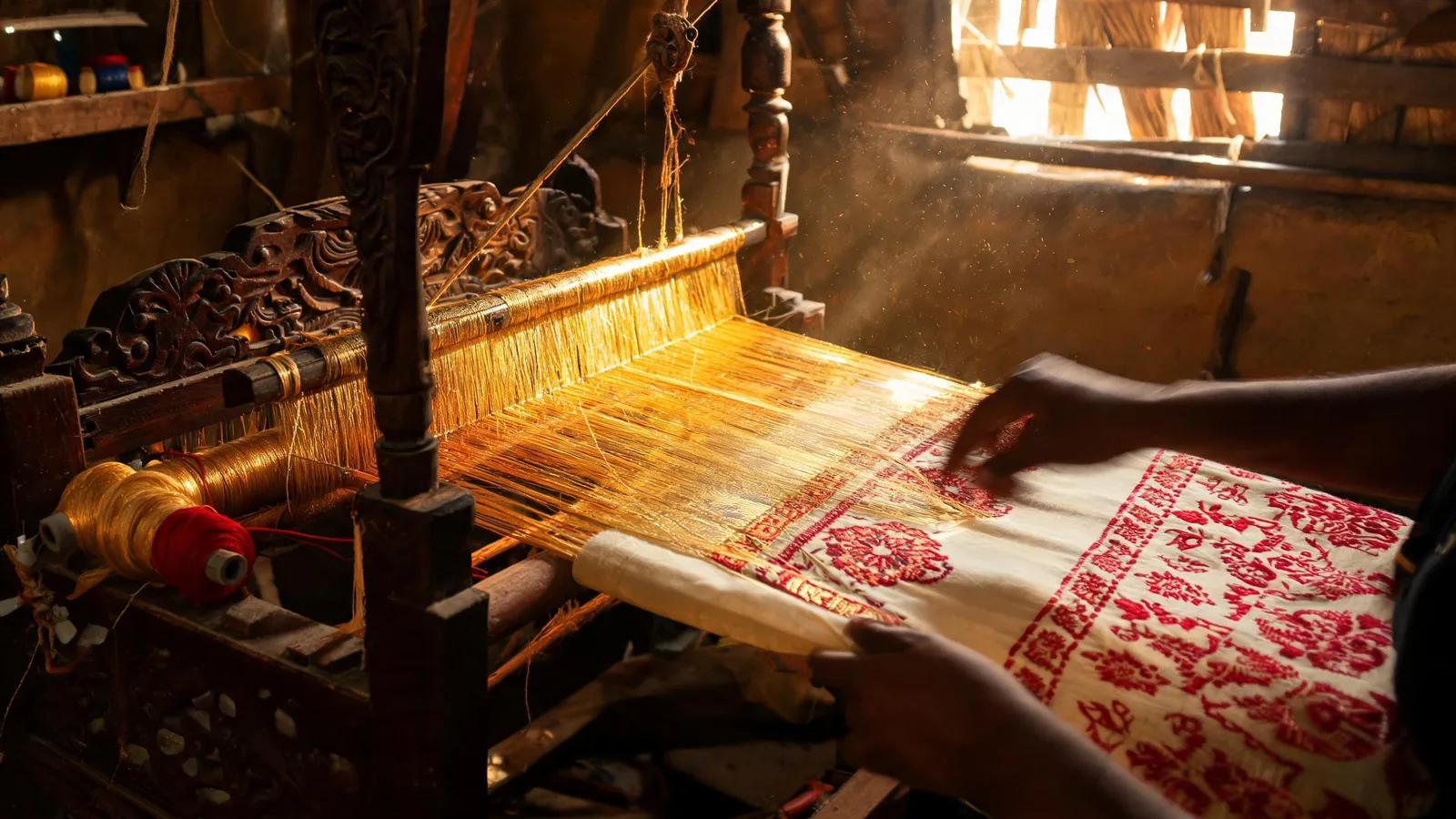
Sualkuchi sits on the north bank of the Brahmaputra, about 35 km from Guwahati according to the Sualkuchi article on Wikipedia. It is a town of cottage industries, and so many families work in handloom here that it is often called the "Manchester of Assam". Walk down almost any lane and you will hear the steady clack of wooden looms from inside homes and workshops.
The three silks to know
Sualkuchi is known for three kinds of Assamese silk:
- Muga: the famous golden silk of Assam, prized for its natural sheen.
- Pat: a fine, usually off-white or cream silk, often used for festive wear.
- Eri: a softer, warmer silk, sometimes called endi, that feels more like fine cotton or wool.
These silks are woven into mekhela chadors, the traditional two-piece dress of Assamese women, and into gamosas, the white cloth with red borders that is a symbol of Assamese welcome and pride.
How to visit respectfully
These are working homes and workshops, not museums. Ask before you walk in or take photos, and keep visits short if people are busy. Many weavers and shops are happy to show how a design is set up on the loom, and buying directly is a lovely way to support them. Prices vary a lot by silk type and design, so take your time, ask questions, and do not feel rushed.
Sualkuchi also has the Sidheswar Devalaya, an old Shiva temple from the reign of the Ahom king Siva Singha, and a riverside Gandhi Ashram. If you have time, both are worth a short stop.
Second stop: the hills of Hajo
About 10 km from Sualkuchi, the land rises into a cluster of low hills. This is Hajo. The name is believed to come from the Boro word for hill, and the town has been a place of pilgrimage for a very long time. As the Hajo article on Wikipedia explains, it is a meeting point of Buddhists, Hindus and Muslims, with important sites for each on different hills. Temples and monuments here span roughly 1,200 years of history.
Hayagriva Madhava Temple
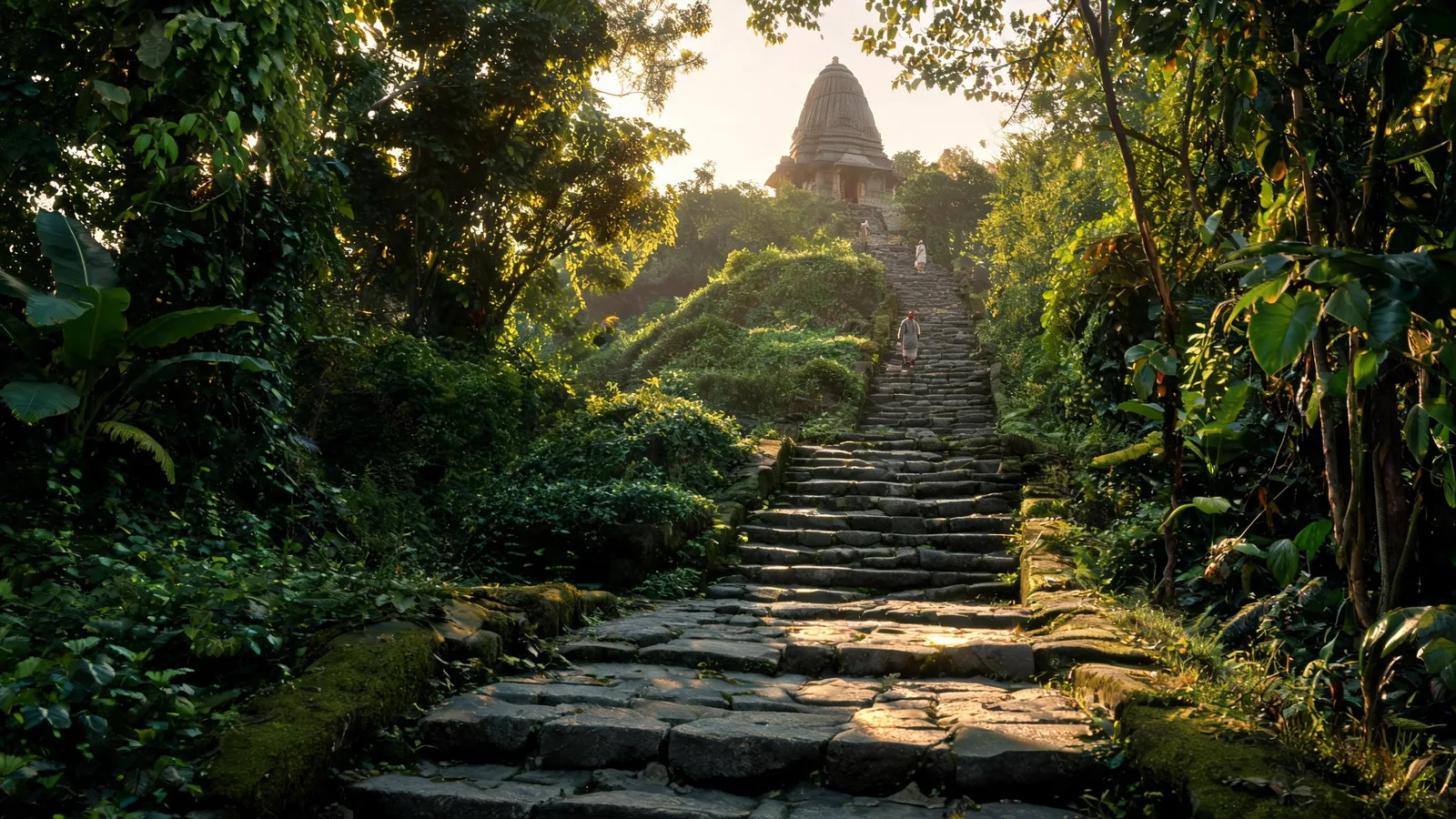
The best-known site in Hajo is the Hayagriva Madhava Temple on Manikut hill. The present stone temple was built by the Koch king Raghudeva Narayan in 1583, and local tradition holds that an earlier temple stood here as far back as the 10th century. It is dedicated to Vishnu.
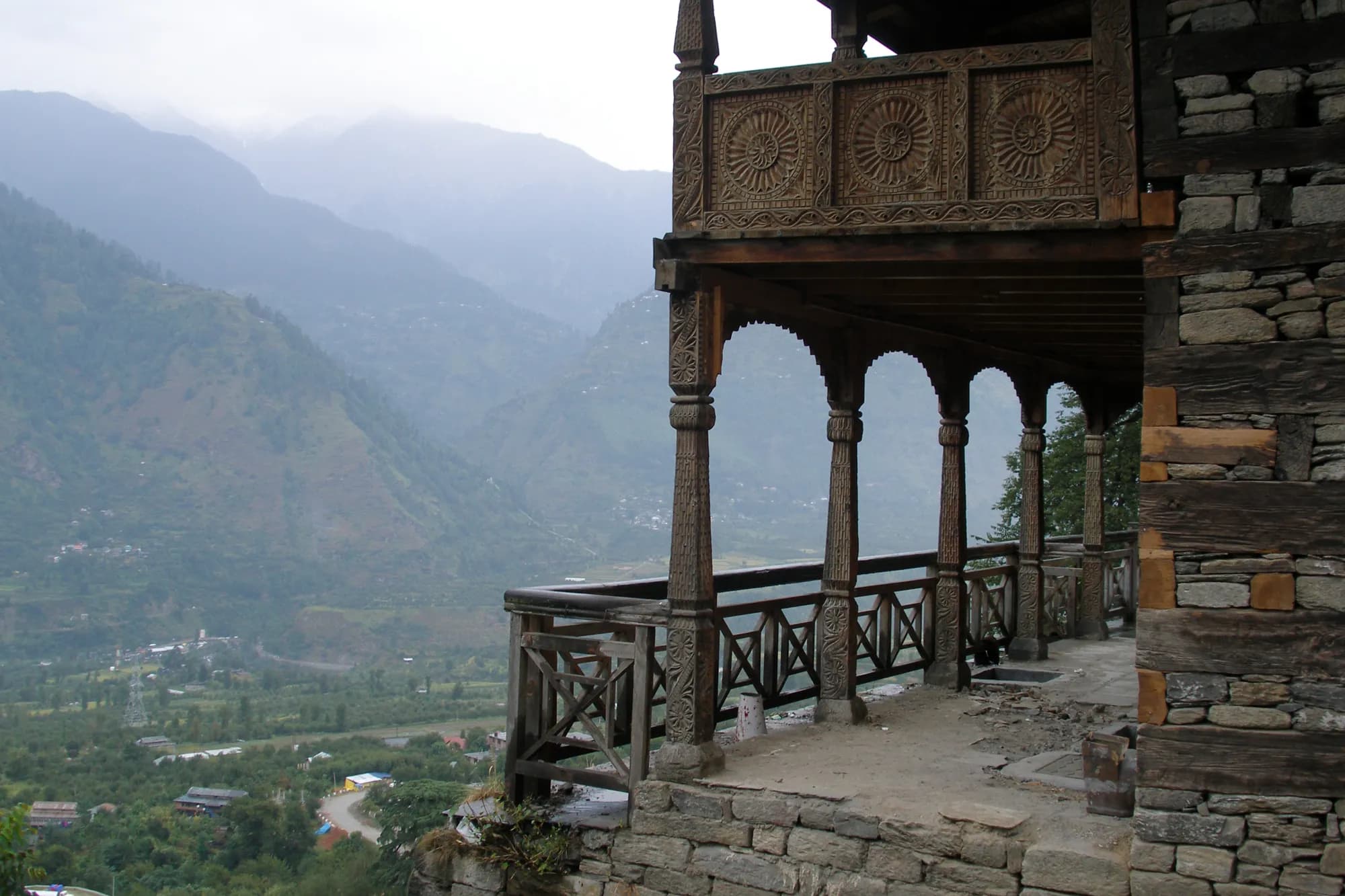
Look closely at the walls. A continuous row of carved elephants runs along the lowest level, and the outer walls carry relief carvings of the ten avatars of Vishnu, processions of devotees, and scenes from the Ramayana and the Mahabharata. Near the temple is a large pond, Madhab Pukhuri. Many Buddhists, especially from Bhutan and Tibet, also visit, because they link this temple with the sacred geography of the Buddha.
The temple is reached by a flight of steps, and there is also a road part of the way up. Take it slowly in the heat, carry water, and remove your shoes where asked.
Poa Mecca
On another hill in Hajo stands Poa Mecca, a Mughal-era shrine with the 17th-century tomb of Giyasuddin Aulia. The name is often explained as meaning "a quarter of Mecca", and it is an important pilgrimage site for Muslims in the region. Visitors of all faiths come here, so dress modestly and follow any guidance from the people looking after the shrine.
Seeing a Hindu temple honoured by Buddhists, and a Muslim shrine a short drive away, is what makes Hajo special. It is a quiet reminder of how many traditions have shared this valley.
A simple plan for the day
- 7:30 am: leave Guwahati and cross to the north bank.
- 8:30 am to 11:30 am: walk the weaving lanes of Sualkuchi and visit a workshop or two.
- Midday: lunch at a simple local eatery, or carry a packed meal.
- 2 pm to 4:30 pm: drive to Hajo, visit the Hayagriva Madhava Temple and Poa Mecca.
- Before dark: head back to the city, ideally before evening traffic builds up.
Timings at temples and shrines can change, and some sites close for part of the day, so check locally before you go.
When to go
October to March is the most comfortable time for this trip. After the monsoon, the countryside is green and the air is clearer, and the winter months are cool enough for the temple climb at any hour. Summer can be hot and humid, so if you go then, keep the walking to the early morning and late afternoon.
Practical tips
- Carry water, a cap and comfortable shoes that are easy to slip off at temples.
- Keep some cash for small shops, tea stalls and offerings.
- Dress modestly at Hajo, with shoulders and knees covered.
- Always ask before photographing people, weavers or shrines.
- Do not fly drones without the right permissions.
- Take your litter back with you.
More drives from Guwahati
If you enjoy this loop, there is plenty more to explore. Our guide to driving from Guwahati to Shillong in one day covers the classic hill run, and our Kaziranga self-drive weekend is perfect for wildlife lovers. For a heritage-focused trip, read about two days around Azara and the Sankardev heritage trail.
Why a self-drive car makes sense
Sualkuchi and Hajo are close together but spread out, and buses do not always line up with the time you want to spend in each place. With your own car, you can stay longer at a loom, stop for tea by the fields, and come back when the light is right.
On Hire N Ride, you book directly from local hosts. Every host has a profile with reviews from earlier guests, so you can see how others found the car and the handover before you decide. Browse cars on the Guwahati car rental page. Other platforms such as Zoomcar exist too; Hire N Ride focuses on real hosts and the reputation they build trip by trip.
For Guwahati car owners: why short trips matter
Day trips like Sualkuchi and Hajo are exactly what many visitors book. They want a clean car, an on-time pickup and a clear handover. Hosts who get those basics right earn good reviews, and good reviews bring in more bookings.
If you own a car and would like to earn from it, Hire N Ride helps you run it like a small business. You get a professional host profile, and help with the paperwork too: vehicle surveys, GPS management, and reminders for insurance renewal, PUC certificates, RC, permit expiry and servicing. You can get started on the List Your Vehicle page.
Conclusion
A day on the north bank shows a side of Assam that many visitors miss. You can watch golden muga and creamy pat silk take shape on wooden looms in Sualkuchi, then climb to a 16th-century stone temple in Hajo where Hindu and Buddhist traditions meet, with a Muslim shrine on the next hill. It is all within an easy drive, and a car rental in Guwahati lets you do it at your own pace.
Ready to go? Book a self-drive car in Guwahati from a local host. Own a car in Guwahati? List your vehicle on Hire N Ride and start building your host reputation.
Images: banner and in-article images are illustrative and were created with Imagine.art for Hire N Ride.