By Nitin Kanish · 11 October 2026
Most people who visit Varanasi spend every hour on the ghats, and that makes sense. But a short drive south-west of the city, a fort sits on a rocky spur right above the Ganga, and it has watched over the river for centuries. Chunar Fort has passed through the hands of Sher Shah Suri, the Mughals and the East India Company, and it is wrapped in local legends that go back much further. With a car rental in Varanasi, you can see it in a relaxed half day, stop at Ramnagar Fort on the way, and still be back in the city for the evening aarti.
This guide is for travellers who want a quiet break from the crowds. It is also for Varanasi car owners who want to know what kind of trips visitors are planning, and why a well-kept car with good reviews gets booked.
Key Takeaways
- Distance: about 36 km from Dashashwamedh Ghat to Chunar Fort by OSRM routing, going via Ramnagar. Plan on roughly an hour each way, more in city traffic.
- What you see: sandstone ramparts above the Ganga, the carved Sonwa Mandap, old gateways, river views and layers of history from Sher Shah to the British.
- Add-on: Ramnagar Fort, the riverside palace of the Kashi royal family, sits right on the route.
- Best time: October to March, starting early in the morning or timing your visit for the late afternoon light.
- Book: pick a car on the Varanasi car rental page and check the host's reviews.
Why Chunar is worth half a day
Chunar is not a polished tourist site, and that is a big part of its charm. You will not find long queues or crowds of tour buses. What you get instead is a sprawling hilltop fort built from local sandstone, quiet courtyards, and some of the widest views of the Ganga you will find near Varanasi.
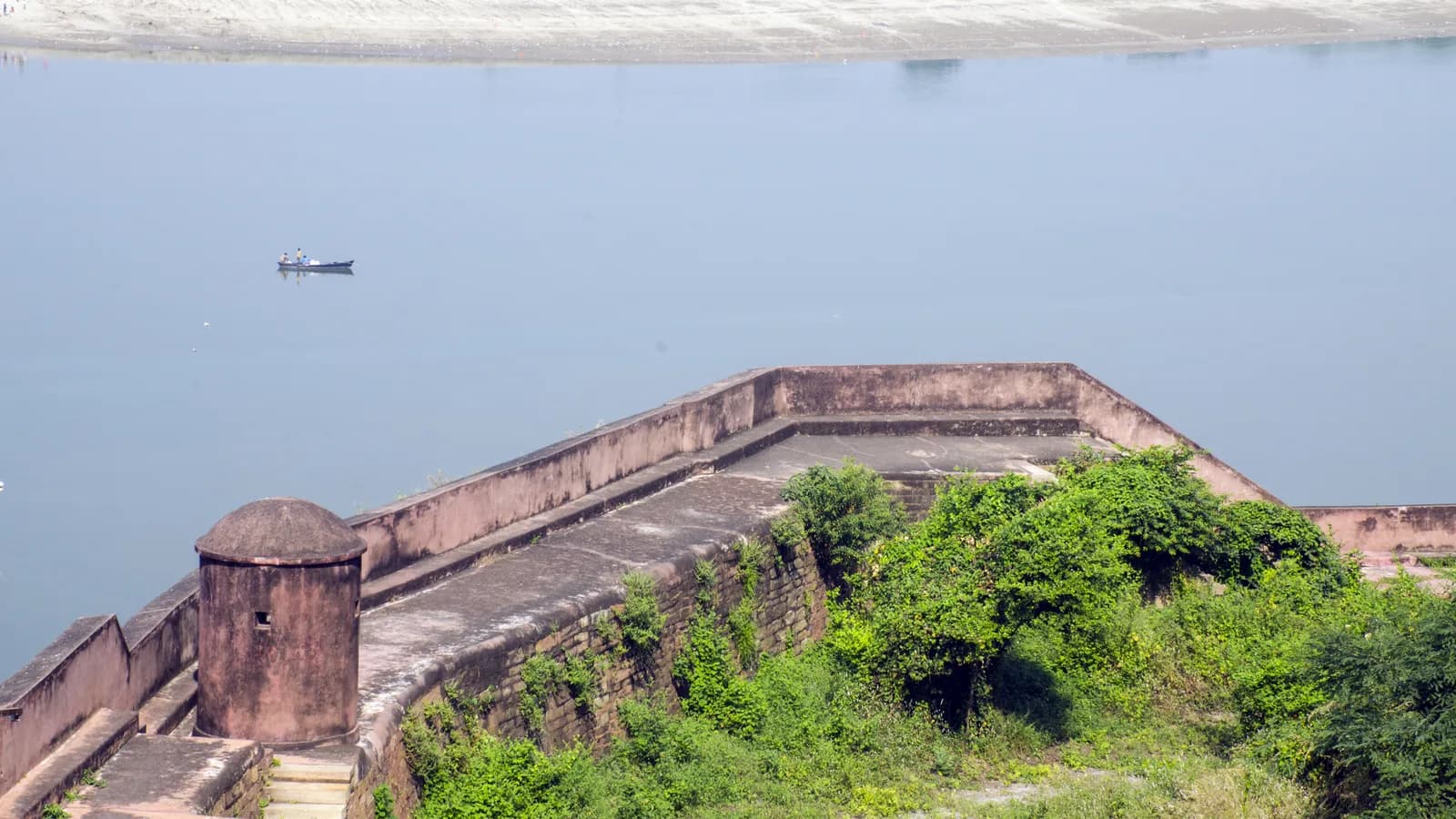
The setting is the main draw. According to the Chunar Fort article on Wikipedia, the fort stands on a detached part of the Vindhya range, high above a bend in the river, and its south-eastern side rises straight off the rocky riverbank. Stand on the ramparts in the late afternoon and you will see why so many rulers wanted to hold it: it watches over the river and the land routes heading east.
The route: Varanasi to Chunar via Ramnagar
Most map apps send you south out of the city, across the Ganga towards Ramnagar, then south-west along the right bank to Chunar town. By OSRM routing, it is about 7 km from Dashashwamedh to Ramnagar Fort and about 29 km more to Chunar Fort. Always follow live navigation on the day, because traffic and road works can change the best route.
A few practical points for the drive:
- Leave the old city early. The lanes near the ghats get busy fast. If you start before 8 am, the first stretch is far easier.
- Expect mixed traffic. You will share the road with trucks, buses, e-rickshaws, bikes and cattle. Keep your speed down through villages and markets.
- Fuel up in the city. Top up before you leave so you are not hunting for a pump on the way back.
- Watch the final climb. The roads inside Chunar town are narrow. Drive slowly near the fort, and park only where it is clearly allowed.
A stop on the way: Ramnagar Fort
Ramnagar Fort stands on the eastern bank of the Ganga, opposite the Varanasi ghats. It has long been the home of the Kashi royal family, and part of it is a museum with vintage cars, palanquins, old weapons, costumes and clocks. If you have read our Varanasi Navratri self-drive guide, you will know Ramnagar also hosts the famous Ramlila season.
On the way out, a short visit works well. Check opening hours locally before you go, because they can change. If you would rather keep the morning for Chunar, you can stop at Ramnagar on the way back instead.
A fort with many owners
Chunar's story reads like a summary of north Indian history. Local legends link the hill to King Bali and the Vamana avatar, and to Bhartrihari, the brother of King Vikramaditya of Ujjain, who is said to have lived here as a hermit. A shrine linked to him is still visited inside the fort.
The recorded history is just as eventful. In the 1530s, Sher Khan, later famous as Sher Shah Suri, took control of the fort, and Emperor Humayun besieged it during his struggle with him. The Mughals finally took Chunar in 1575, in Akbar's time, and much of what you see today is thought to date from his reign. Later the fort came under the East India Company, which used it as an artillery depot and, at times, as a prison. Rani Jind Kaur, the widow of Maharaja Ranjit Singh, was held here in 1849 before she escaped in disguise and reached Kathmandu.
You do not need to remember every date. Just know that each wall and gateway has been rebuilt, repaired or strengthened by different rulers, and you can still spot those layers as you walk around.
What to see inside the walls
Sonwa Mandap
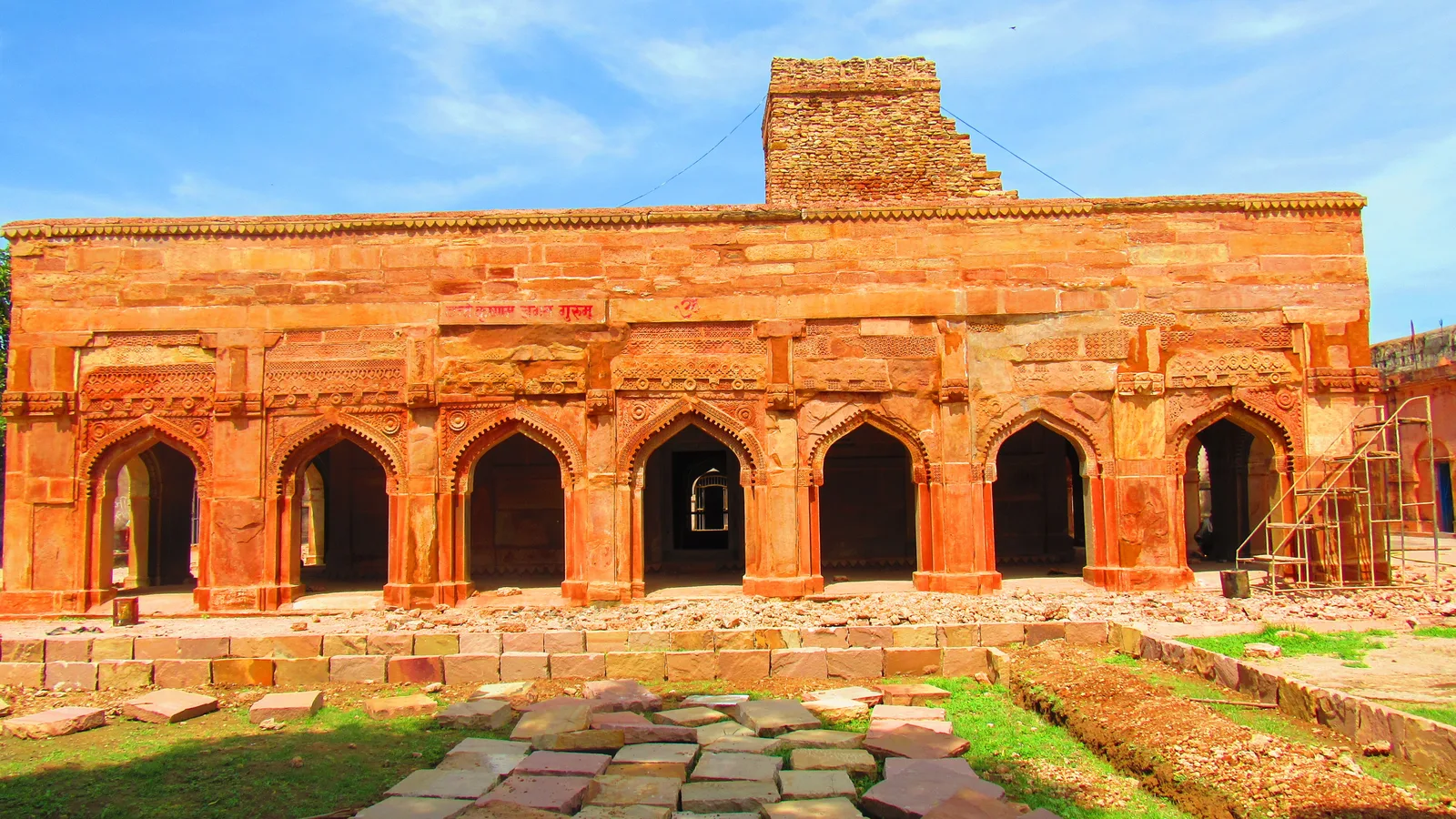
The best-known building inside the fort is the Sonwa Mandap, a carved stone pavilion with pillars and detailed patterns. Local stories tie it to a princess named Sonwa, though the details differ depending on who you ask. Take your time with the stonework; it is one of the most photogenic corners of the fort.
The ramparts and river views
Walk to the river-facing walls for wide views over the Ganga. On a clear day you can follow the river as it curves past the hill. Stay well back from broken edges, keep children close and never climb on the parapets.
Old courtyards, gateways and the sundial
Wander through the courtyards and arched corridors, look for the old gateways, and see if you can spot the old sundial. Some parts of the fort are used by government departments and may be closed to visitors, so respect barriers and signs, and ask staff if you are unsure where you can go.
The sandstone story
Chunar is famous for its fine-grained sandstone. The quarries around the town have been worked since ancient times, and Chunar stone is widely linked to the polished Mauryan pillars, including the one at Sarnath whose lion capital is now India's national emblem. If you have already followed our Sarnath self-drive morning guide, a trip to Chunar connects nicely: you get to see the hill country that stone came from.
You will see sandstone everywhere in the town, from walls to steps to small workshops. Please do not pick up or take stones from heritage areas.
Timing your visit
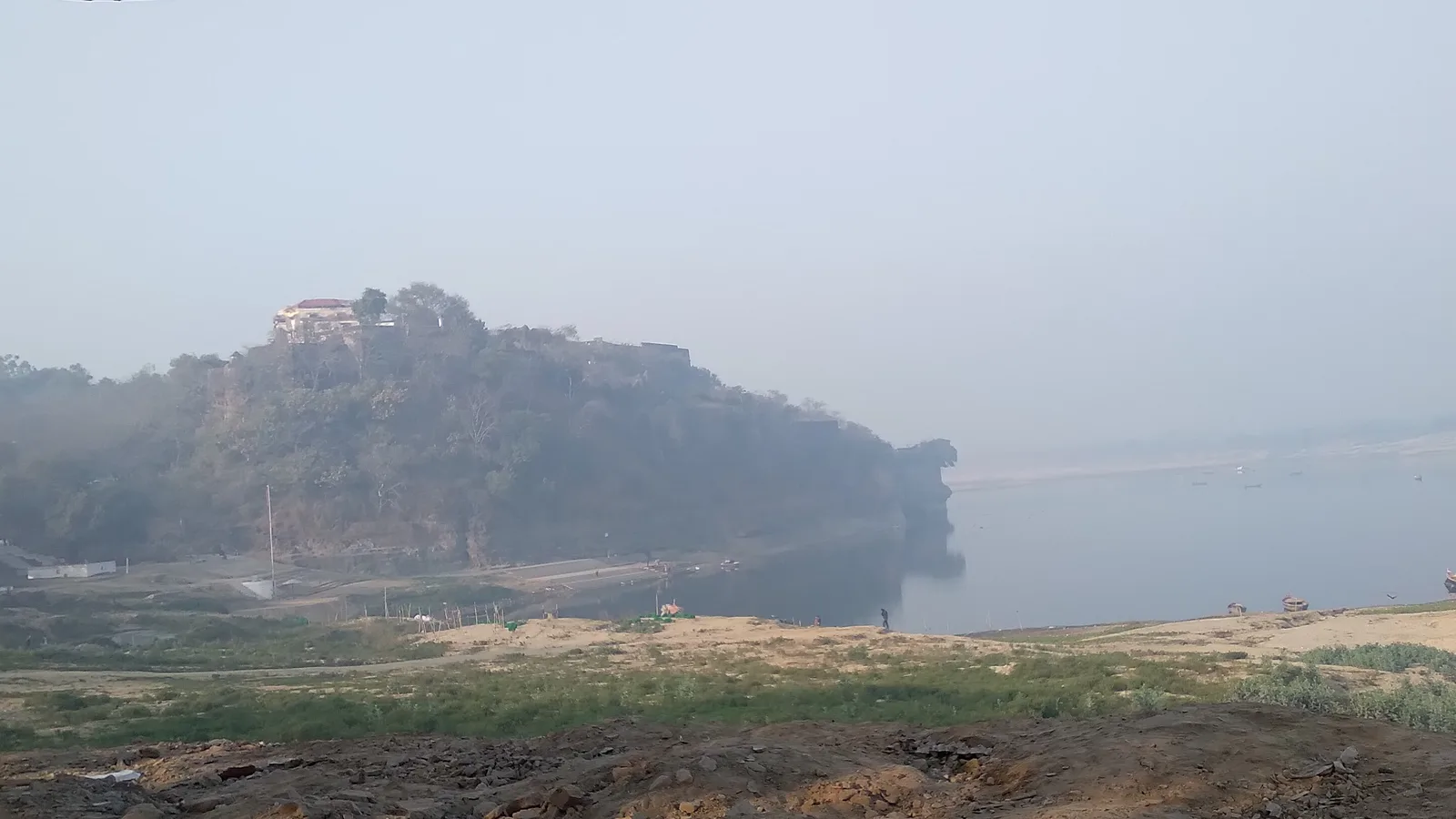
October is a good month to go. The monsoon has eased, the river is usually still full, and the heat is softer than in summer. Mornings can be hazy as the season moves towards winter, which gives the river a soft, misty look in photos.
You have two simple options:
- Morning plan: leave Varanasi around 7:30 am, reach Chunar for cooler walking, visit Ramnagar on the way back, and be in the city for lunch.
- Afternoon plan: leave after lunch, see Ramnagar first, reach Chunar for the late afternoon light, and drive back carefully at dusk. If you want to catch the Ganga aarti, leave the fort with plenty of time to spare.
Avoid driving narrow rural roads late at night if you are not used to them. If you are planning a trip around the festival season, also read our Dev Deepawali driving checklist, because the city gets very crowded then.
Practical tips for the day
- Carry water, a cap and comfortable shoes. The fort grounds are large and partly uneven.
- Keep some cash for small purchases in Chunar town.
- Dress modestly, and remove footwear where asked at shrines.
- Check entry rules and any fees at the gate; we have not listed them because they can change.
- Do not fly drones without the proper permissions.
- Take all litter back with you.
Why a self-drive car works for Chunar
Chunar sits between Varanasi and Mirzapur, and it is a slightly awkward trip by public transport if you also want to stop at Ramnagar and come back at your own time. A self-drive car lets you set the pace: linger on the ramparts, stop for chai where you like, and change your plan if the light is good.
On Hire N Ride, you book directly from local hosts. Each host has a profile with reviews from earlier riders, so you can see how other people found the car and the handover before you book. Compare options on the Varanasi car rental page. Marketplaces like Zoomcar also exist; on Hire N Ride, the focus is on real hosts and the reputation they build over time.
For Varanasi car owners: why trips like this matter
Day trips like Chunar, Sarnath and Ramnagar are exactly the kind of bookings visitors make in Varanasi. They need a clean, reliable car, a smooth pickup and a clear handover. Hosts who deliver that collect good reviews, and good reviews bring more bookings.
If you own a car and are thinking about earning from it, Hire N Ride helps you run it like a small business. You get a professional host profile, and Hire N Ride helps manage the paperwork side too: vehicle surveys, GPS management, and reminders for insurance renewal, PUC certificates, RC, permit expiry and servicing. You can start on the List Your Vehicle page.
Conclusion
Chunar Fort is a calm, rewarding change of pace from the ghats. In half a day, you can drive along the Ganga, see a royal fort at Ramnagar, walk sandstone ramparts that saw Sher Shah, Akbar and the British, and watch the river light change from the walls. It is an easy, flexible trip with a car rental in Varanasi.
Ready to go? Book a self-drive car in Varanasi from a local host. Own a car in Varanasi? List your vehicle on Hire N Ride and start building your host reputation.
Banner image: Chunar Fort's ramparts above the Ganga. Photo: Rangan Datta Wiki, Wikimedia Commons, CC BY-SA 4.0 (cropped).