By Manjot Kaur · 11 October 2026
Plenty of people drive out of Chandigarh to the hills on a free day: Kasauli, Morni, Shimla. Fewer turn north-west along the Sutlej to Anandpur Sahib, even though it is one of the most important towns in Sikh history and home to one of the most striking modern museums in India. It is close enough for a relaxed day trip, and with a car rental in Chandigarh you can see the museum, the gurdwaras and a riverside stop at Kiratpur Sahib without rushing.
There is one thing to get right before anything else: the day. Virasat-e-Khalsa, the museum most visitors come for, is closed every Monday. This guide covers the route, the timings, what to see and how to plan around the museum's hours. If you own a car in Chandigarh, it also shows the kind of easy, well-planned day out that renters look for.
Key Takeaways
- Distance: by OSRM routing, about 84 km from central Chandigarh to Virasat-e-Khalsa, roughly 1 hour 10 minutes without traffic. Kiratpur Sahib is about 10 km from the museum, and Chandigarh is about 76 km from Kiratpur.
- Avoid Mondays: the museum's official site says it is closed every Monday, and also on Diwali, Dussehra, Independence Day, Republic Day, Gandhi Jayanti, 24 to 31 January and 24 to 31 July.
- Hours: the museum lists its hours as 10:00 or 10:30 am to 4:30 pm, depending on the page, so aim to arrive by late morning.
- Entry: the museum's visit page lists passes as free for all.
- Also see: Takht Sri Kesgarh Sahib, where the Khalsa was founded in 1699, and Gurdwara Patalpuri Sahib at Kiratpur on the Sutlej.
- Book: compare cars and host reviews on the Chandigarh car rental page.
Why Anandpur Sahib is worth the drive
Anandpur Sahib sits on the edge of the Shivalik hills near the Sutlej, in Rupnagar district of Punjab. According to its Wikipedia entry, the town was founded by the ninth Sikh Guru, Guru Tegh Bahadur, in the 1660s, and it was here that the tenth Guru, Guru Gobind Singh, founded the Khalsa on Vaisakhi in 1699. The town is home to Takht Sri Kesgarh Sahib, one of the five Takhts of Sikhism.
That history alone would make it worth a visit. But since 2011 the town has also had Virasat-e-Khalsa, a large museum of Sikh history and Punjabi culture with architecture that stops people in their tracks. Put the two together and you have a day that mixes faith, history and design, all within easy reach of Chandigarh.
The visit also works well for mixed groups. Older family members may want time at the gurdwaras, younger travellers may prefer the museum's galleries and architecture, and everyone can enjoy the views of the hills and the river. Having your own car means nobody has to hurry.
The route from Chandigarh
The road out of Chandigarh runs north-west towards Kurali and Rupnagar (Ropar), then follows the valley towards Kiratpur Sahib and Anandpur Sahib. The town lies on National Highway 503, which links Kiratpur Sahib to Nangal and Una. Your navigation app will pick the exact turns, and it is worth following it on the day.
By OSRM routing, the legs look like this:
- Chandigarh to Virasat-e-Khalsa, Anandpur Sahib: about 84 km, roughly 1 hour 10 minutes without traffic.
- Anandpur Sahib to Kiratpur Sahib: about 10 km, around 10 minutes.
- Kiratpur Sahib back to Chandigarh: about 76 km, roughly 1 hour 10 minutes without traffic.
Real times are usually longer. Leaving the city, passing through town traffic around Kurali and Ropar, and slow trucks on the highway can add a good amount of time. Plan on about 1.5 to 2 hours each way and you will not feel rushed.
Road tips
- Leave after breakfast, not at dawn. The museum opens in the morning, so leaving Chandigarh around 8:30 am puts you there as the doors open.
- Fill the tank in the city. There are fuel stations on the way, but starting full keeps things simple.
- Watch for tractors and two-wheelers. Stretches near towns and villages are busy, especially in the harvest season.
- Use proper parking. Near the gurdwaras and the museum, park only in marked areas and avoid blocking lanes.
- Head home before dark. It makes the return easier and safer, especially on the stretches outside towns.
Stop 1: Virasat-e-Khalsa
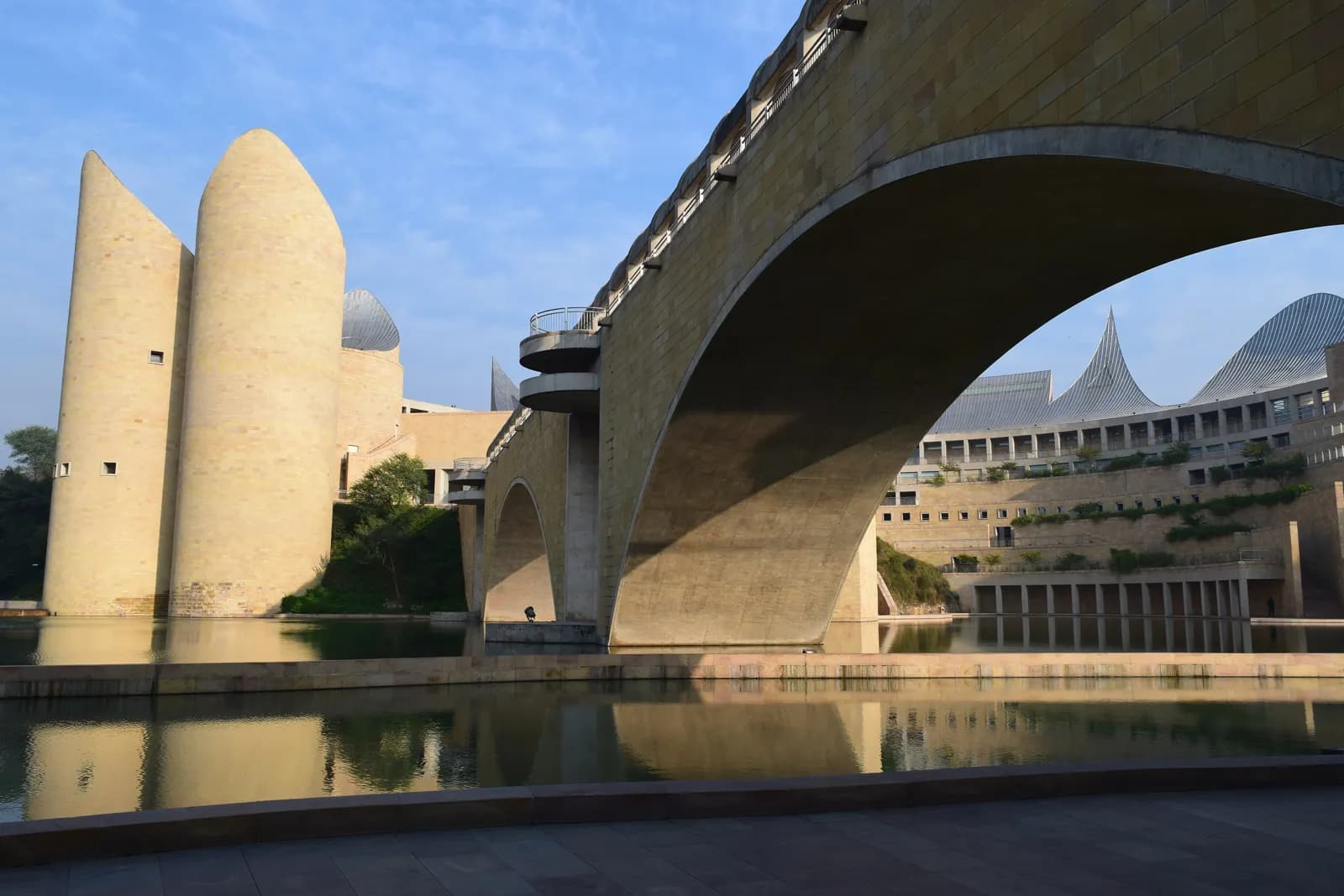
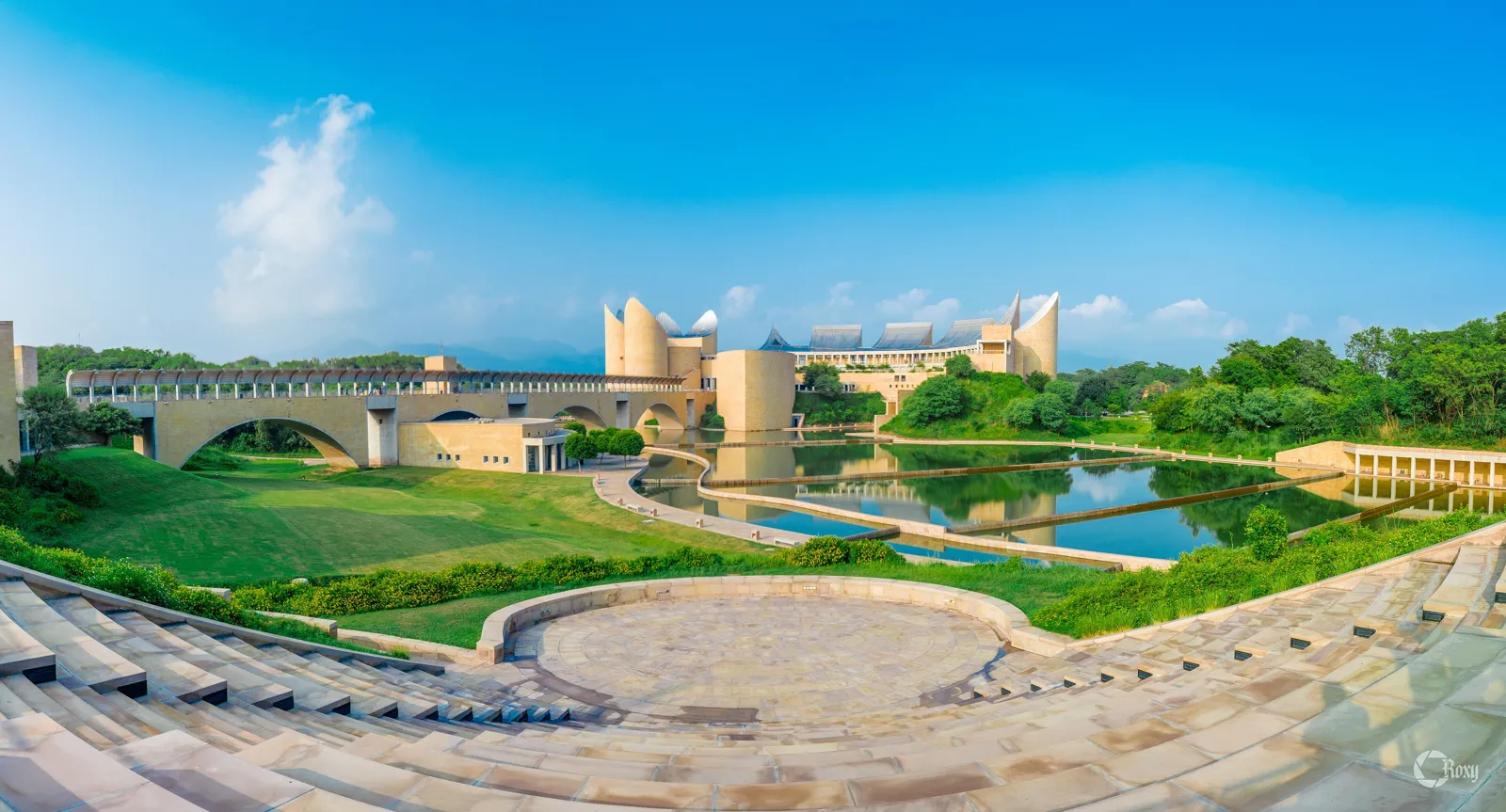
Virasat-e-Khalsa, also called the Khalsa Heritage Complex, was opened on 25 November 2011. It was designed by the architect Moshe Safdie and spreads over more than a hundred acres, according to its Wikipedia page. The museum tells the story of Sikh history and Punjabi culture, and Wikipedia describes it as the most visited Sikh museum.
The buildings are the first thing you notice. Tall, curved sandstone-clad towers rise beside a long bridge over a series of water pools, with roofs that catch the sky. The design draws on the shapes of old Punjab forts and on the idea of crossing water, and the pools reflect the whole complex. Even before you step inside, it is worth a slow walk around the outside.
Inside, the galleries use dioramas, audio-visual displays and other interactive exhibits. Themes include the Sikh Gurus, the Sikh Empire under the Khalsa Raj, the community's struggles and its contributions to art, science and literature. Give yourself at least two to three hours if you want to take it in properly.
Museum hours and closed days
According to the museum's official website, it is open six days a week and closed every Monday. It also closes on Diwali, Dussehra, Independence Day (15 August), Republic Day (26 January) and Gandhi Jayanti (2 October), and for half-yearly maintenance from 24 to 31 January and 24 to 31 July. Its pages list opening hours as 10:00 am or 10:30 am to 4:30 pm, and its visit page says passes are free for all.
With Dussehra and Diwali both in this season, check the dates before you set off. The museum's FAQ also notes that school groups often visit in the mornings and that afternoons and mid-week are quieter. Hours and rules can change, so confirm on the official site or by phone before your trip.
Stop 2: Takht Sri Kesgarh Sahib
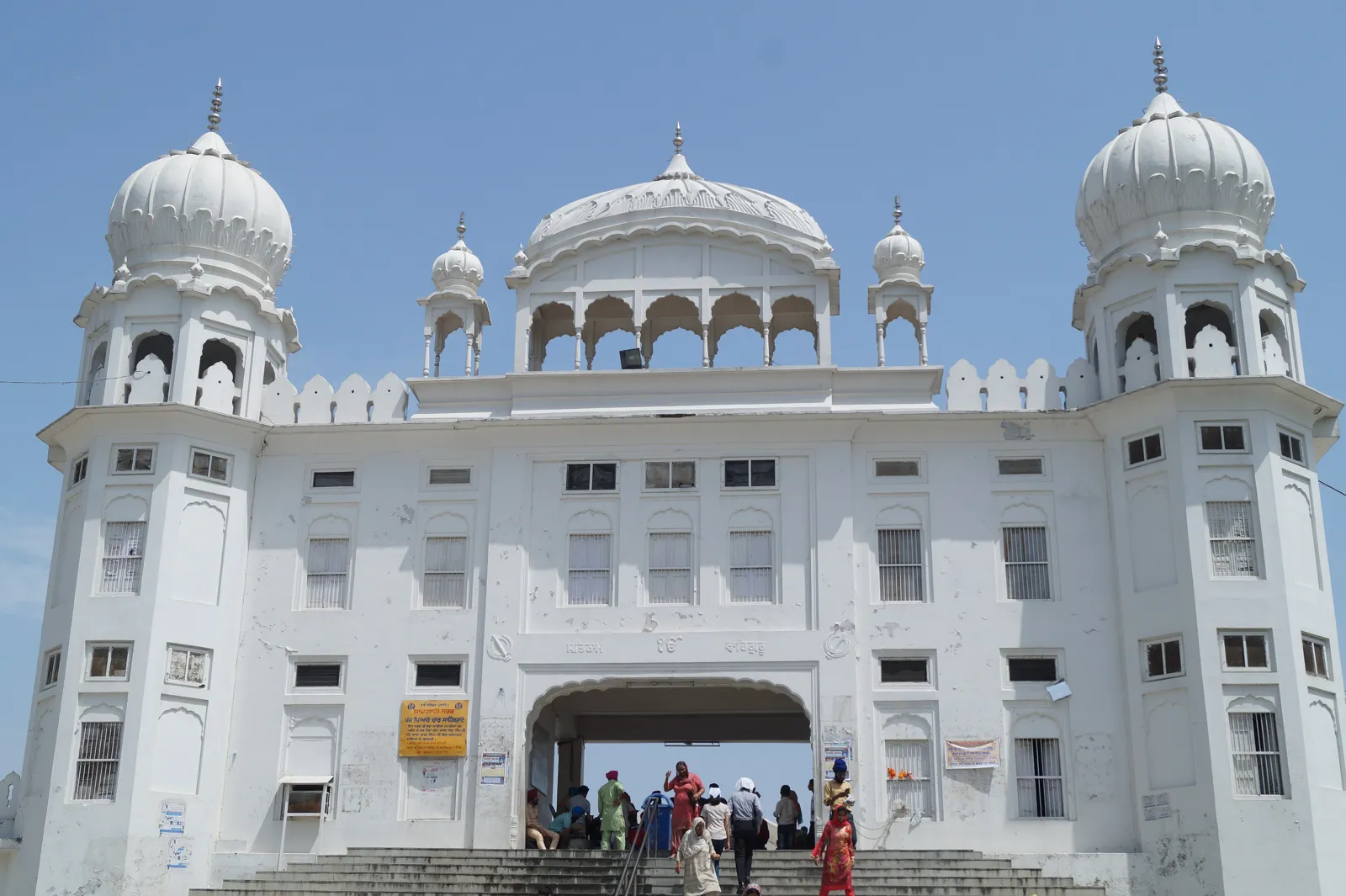
A short drive from the museum takes you to Takht Sri Kesgarh Sahib, one of the five Takhts of Sikhism. It stands where Guru Gobind Singh founded the Khalsa in 1699. Guru Gobind Singh built a ring of forts around Anandpur, and Kesgarh was one of them; the present white building with its domes was built in the 20th century over the old site.
Visitors of all faiths are welcome. Cover your head, remove your shoes, wash your feet and hands where shown, and do not carry tobacco or alcohol. Langar, the free community kitchen, is part of gurdwara life, and sitting down to a simple meal there is a moving experience. If you take part, eat what you are served and leave your plate where asked.
Stop 3: Kiratpur Sahib on the way home
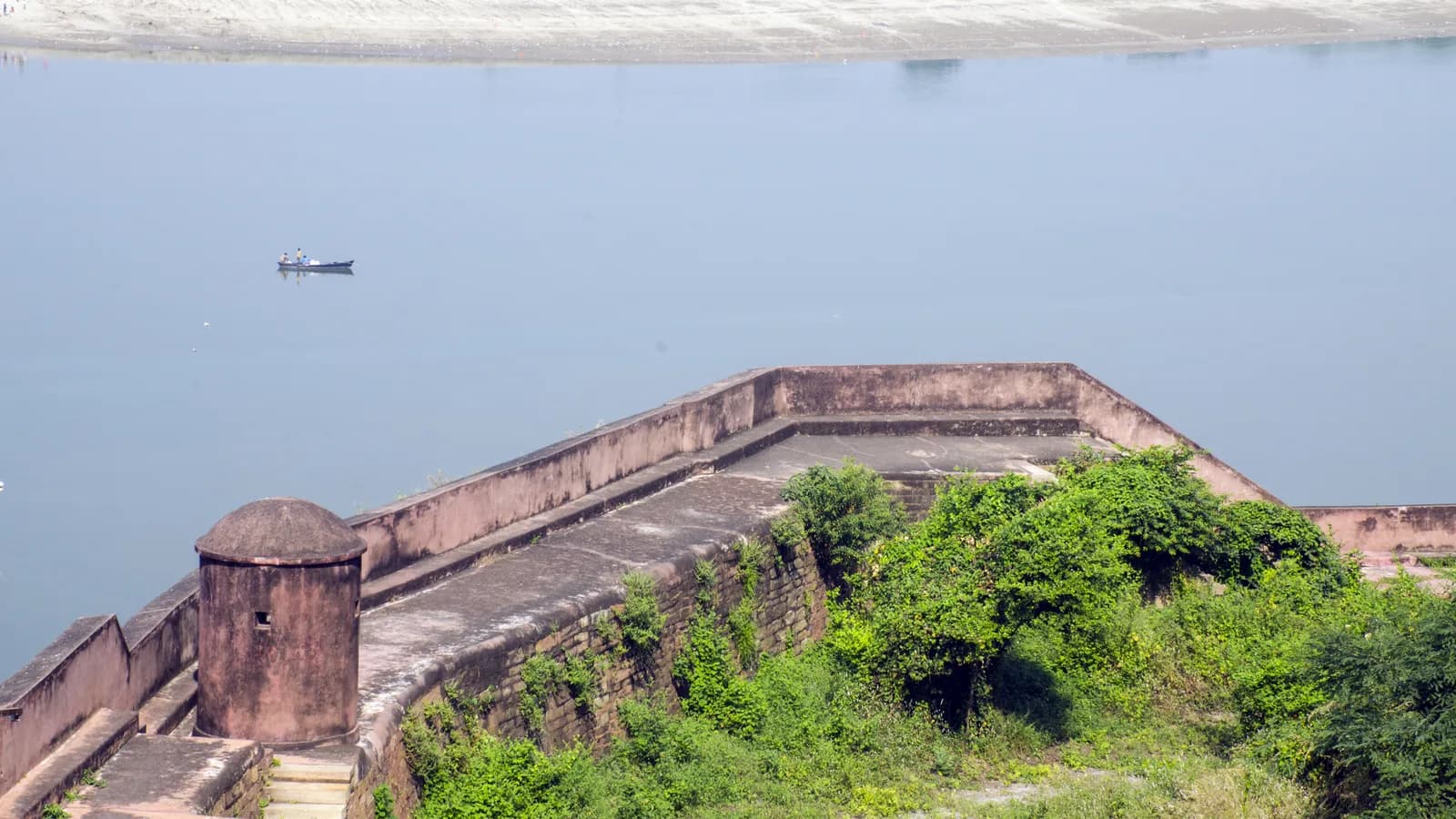
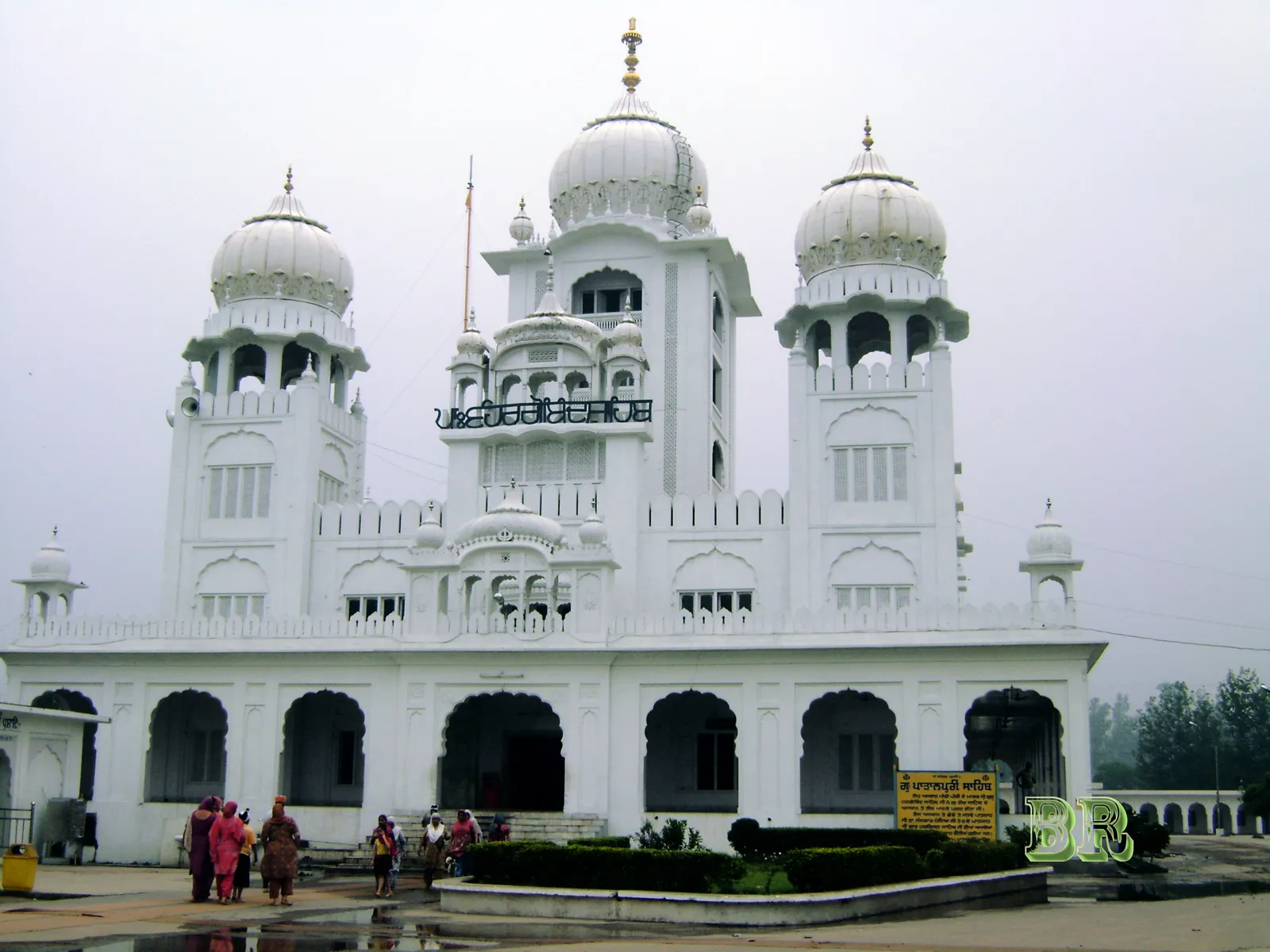
On the drive back, stop at Kiratpur Sahib, about 10 km from Anandpur Sahib on the banks of the Sutlej. As its Wikipedia page explains, the town was founded by the sixth Guru, Guru Hargobind, and it was home to three Sikh Gurus. Two of them, Guru Har Rai and Guru Har Krishan, were born here.
Kiratpur is best known for Gurdwara Patalpuri Sahib by the river, where many Sikh families come to immerse the ashes of loved ones. It is a quiet, reflective place, so visit with respect. The town is also linked with Gurdwara Babangarh Sahib, which marks where, in 1675, Guru Gobind Singh received the head of his father, Guru Tegh Bahadur, brought from Delhi by Bhai Jaita.
A simple plan for the day
- 8:30 am: leave Chandigarh after breakfast.
- 10:30 am: arrive at Virasat-e-Khalsa and start with a walk around the outside, then the galleries.
- 1:30 pm: drive to Takht Sri Kesgarh Sahib, visit, and have langar or lunch in town.
- 3:30 pm: drive to Kiratpur Sahib and visit Gurdwara Patalpuri Sahib.
- 4:30 pm: start back to Chandigarh, aiming to arrive around sunset.
These times are only a guide. If you prefer quieter galleries, you could swap the order: visit the gurdwaras first and reach the museum after lunch, keeping in mind that it closes at 4:30 pm.
When to go
October to March is the most comfortable time. The monsoon is over, the air is clearer and walking between the buildings in the sun is pleasant rather than tiring. Summer days in Punjab can get very hot, so if you go then, keep outdoor time for the early part of the day.
Anandpur Sahib is also the home of Hola Mohalla, the largest annual Sikh gathering, held in spring. It is a remarkable event, but the town is extremely busy then, so plan a quiet-day visit if you want to see the museum at your own pace. And above all, remember: Tuesday to Sunday, not Monday.
Respect and etiquette
- Cover your head at all gurdwaras; scarves are usually available if you forget.
- Remove your shoes and leave them at the shoe counter.
- Dress modestly, with shoulders and knees covered.
- Follow signs on photography, especially inside gurdwara halls and museum galleries.
- Keep your voice low at Kiratpur, where families come for last rites.
More drives from Chandigarh
If this trip suits you, there are other easy days out from the city. Our guide to a self-drive to Morni Hills covers Haryana's only hill station, and our Chandigarh to Kasauli day plan heads up into the Himachal pines. For a slower look at the city itself, see why Le Corbusier's Chandigarh is best seen at bike speed.
Choosing the right car
The roads are mostly highways and town roads, so a comfortable hatchback or sedan is fine for two to four people. A family with older relatives may prefer a car with more legroom and boot space for shoes, scarves and a cool box. Air conditioning is welcome on sunny afternoons.
On Hire N Ride, each car is listed by a local host with a profile, photos and reviews from earlier renters. Reading those reviews before you book tells you a lot about how a host looks after their car and their guests. There are other self-drive options in Chandigarh, such as Zoomcar, but booking with a reviewed local host gives you a real person to talk to about your plans. Compare cars on the Chandigarh car rental page.
For car owners in Chandigarh
Day trips like this are exactly what many visitors and local families want a clean, reliable car for. If you own a car in Chandigarh, you can list it on Hire N Ride much like a home on Airbnb. You build a professional host profile, and every good trip adds reviews that help bring more bookings.
Hire N Ride also helps manage the business side, so you can focus on keeping your car ready. That includes vehicle surveys, GPS management, and reminders for insurance renewal, PUC certificates, RC, permit expiry and servicing. Start on the List Your Vehicle page.
Ready to plan your trip?
Riders: book a self-drive car from a trusted local host on the Chandigarh car rental page.
Car owners: turn your car into a business and become a host on Hire N Ride.
Conclusion
Anandpur Sahib is one of the most rewarding day drives from Chandigarh. In one unhurried day you can walk through Virasat-e-Khalsa, stand where the Khalsa was founded at Takht Sri Kesgarh Sahib and pause by the Sutlej at Kiratpur Sahib. Just pick any day but Monday, check the holiday closures, and let your own car handle the rest.