By Manjot Kaur · 9 October 2026
East of Jaipur the highway settles into Dausa district, the Aravallis thin out, and a small village called Abhaneri hides one of Rajasthan's most photographed pieces of water architecture. Rajasthan Tourism puts Chand Baori about 88 km from the Pink City. With a self-drive car rental in Jaipur, you can leave after breakfast, stand at the railings while the steps are still in soft light, walk across to Harshat Mata temple, and be back in the city before evening traffic stacks up.
This is not another fort loop and not a wildlife permit day. It is a short eastbound drive for people who want geometry, shade and a village pace. It is written for riders of four wheels and for the Jaipur hosts whose cars make the trip easy.
Key Takeaways
- Distance: Rajasthan Tourism lists Chand Baori at about 88 km from Jaipur; open-source routing (OSRM) from Jaipur Junction via the Agra-side roads comes to roughly 93 km and about 70 minutes without stops.
- Route: Jaipur → Dausa → Sikandra Mod → Goolar Chauraha → Abhaneri, as described on the state tourism page.
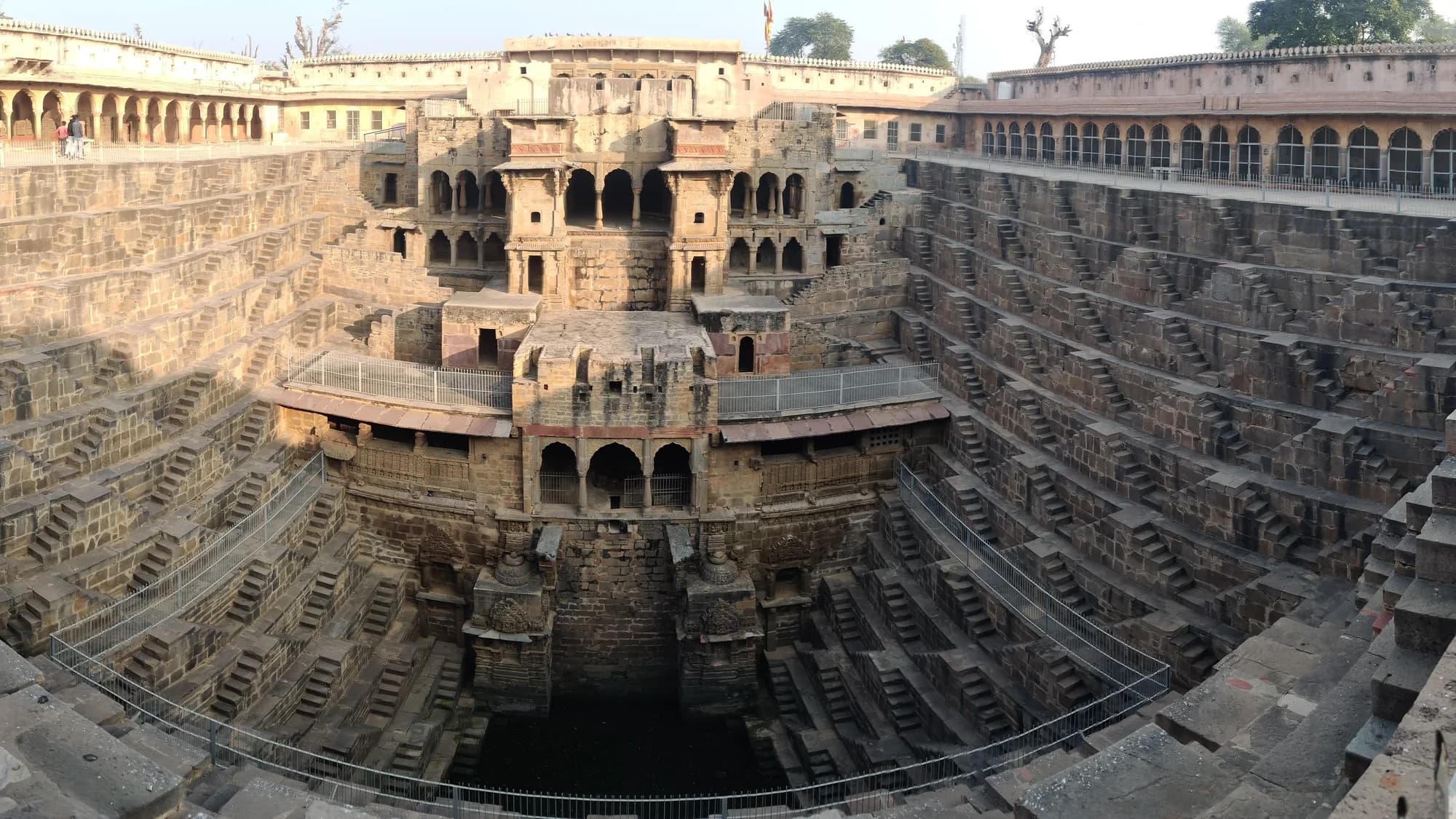
- At the site: about 3,500 symmetrical steps, a deep tank, and a multi-storey pavilion on the fourth side; Harshat Mata temple stands next door.
- Fees: the Archaeological Survey of India Jaipur Circle page for Chand Baori lists no entry fee; confirm on-site notices when you arrive.
- October note: Rajasthan Tourism's fair-and-festival calendar lists Abhaneri Festival on 12–13 October 2026. Visit on a quieter weekday if you want empty railings; go that weekend if you want folk performances at the same landmark.
- Car over bike for this one: the highway stretch is faster in a car, and you can carry water, a hat and a small picnic without fuss.
- Book a reviewed host car on the Jaipur self-drive car rental page.
Why Abhaneri belongs on an October Jaipur drive list
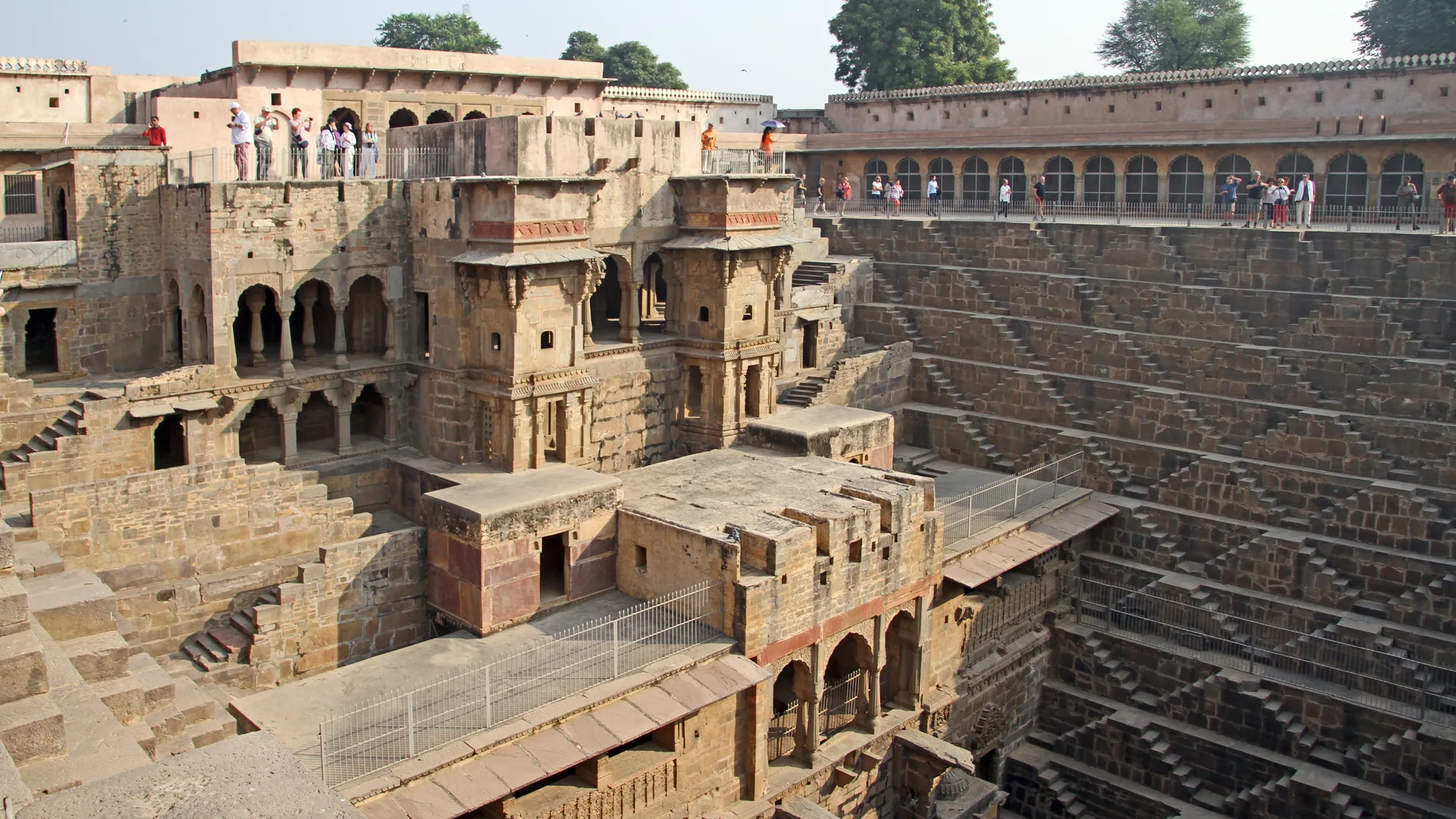
Jaipur's own fort circuit is busy year-round. Abhaneri gives you a different kind of spectacle: a stepwell built to hold water and cool air in a dry climate. Rajasthan Tourism calls Chand Baori one of the oldest and most popular attractions in the state, built by King Chanda of the Nikumbha dynasty in the 9th century, with roughly 3,500 perfectly symmetrical narrow steps. A double flight of steps on three sides leads toward the water; the fourth side is a three-storeyed pavilion with jharokhas, galleries and balconies once meant for the royal family.
Incredible India groups the site with Jaipur day outings and lists visitor hours from about 7:30 AM to 6:30 PM. Wikipedia summarises the same complex as one of India's deepest and largest stepwells, dated to the 8th–9th centuries, with steps cascading in an upside-down pyramid toward a tank at the bottom. You do not need to memorise every storey count to enjoy it. What you need is an early start and a car that is already fuelled.
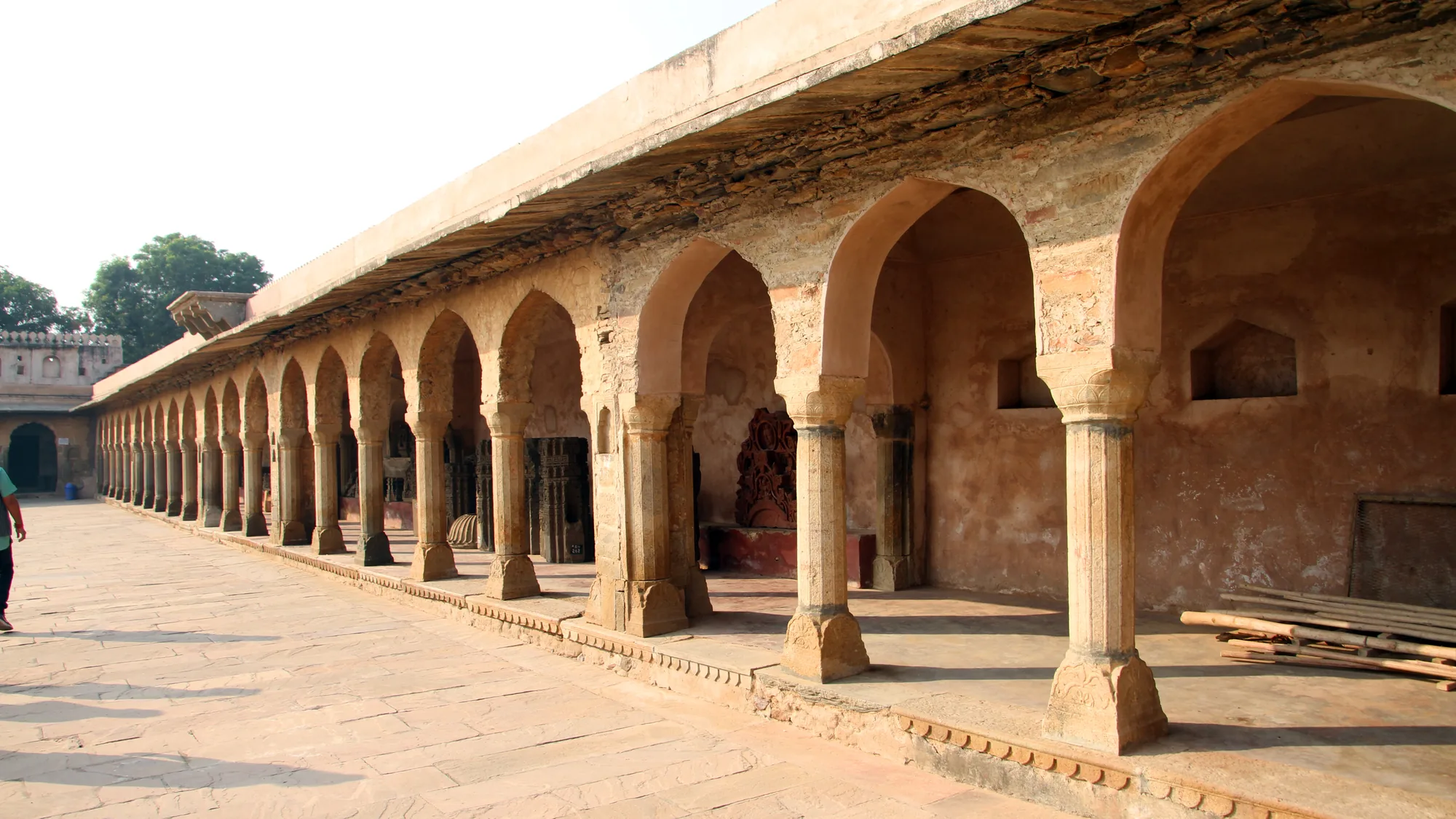
Adjoining the baori is Harshat Mata temple, a 9th–10th century shrine that Rajasthan Tourism describes as dedicated to the goddess of joy and happiness for the village. The temple and the stepwell form one stop: park once, walk both, then decide whether to add tea in the village before the return.
The drive: Jaipur to Abhaneri without drama
The tourism route
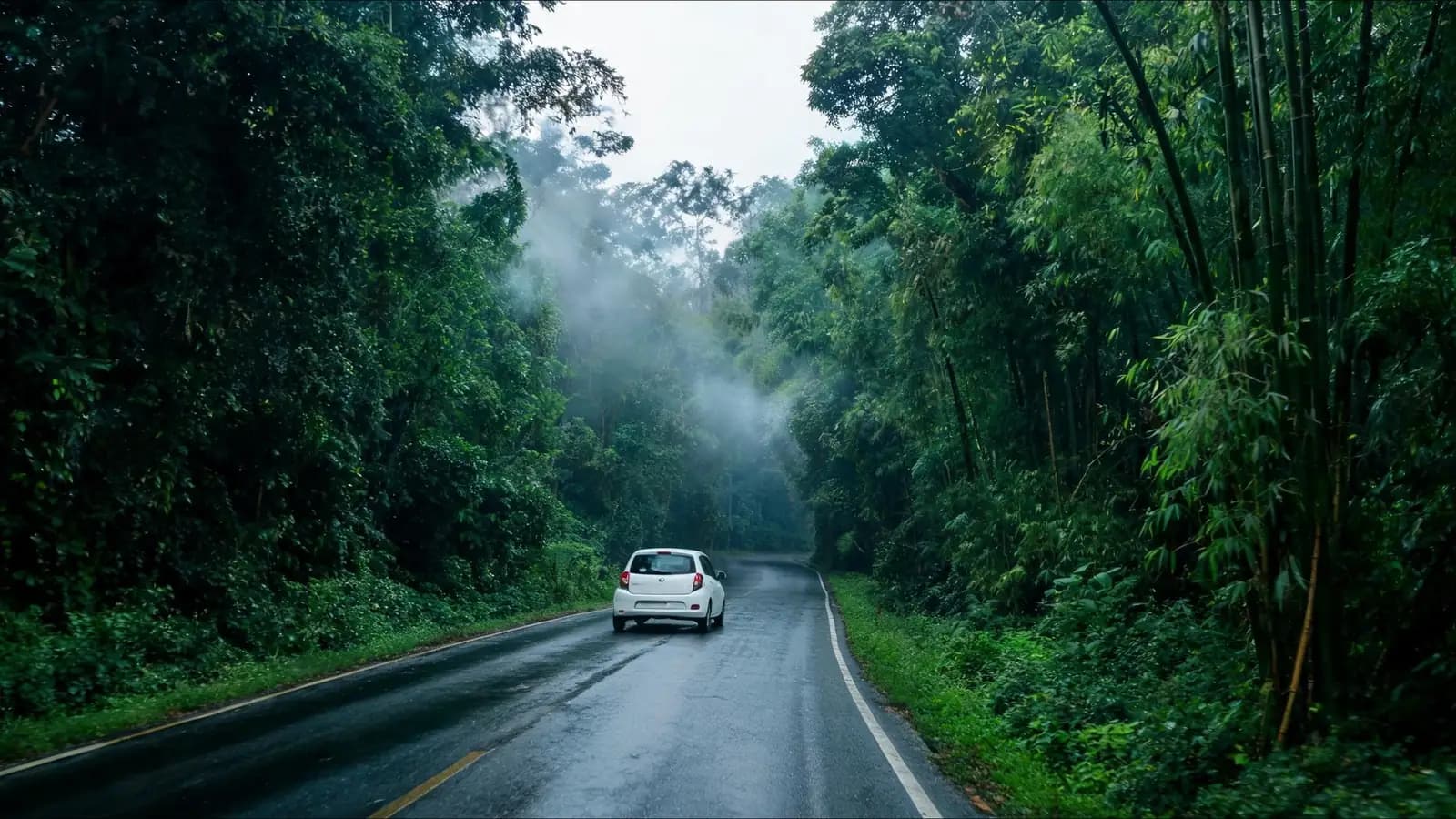
Rajasthan Tourism's how-to-reach note is simple: from Jaipur, go through Dausa, Sikandra Mod and Goolar Chauraha into Abhaneri. In practice that means leaving the city on the Agra-side corridor, staying patient through Dausa town traffic, then watching navigation for the Abhaneri turn. The last village approach is narrower than the highway. Drive slowly, give way to local buses and two-wheelers, and expect a short walk from the parking edge to the monument gate.
Timing that usually works
- Leave Jaipur by 7:00–7:30 AM. Incredible India's opening window starts at 7:30 AM. Arriving before mid-morning keeps the steps in softer light and thinner crowds.
- Ninety minutes at the complex is enough for the railings, a slow walk around the enclosure, Harshat Mata and photographs. Architecture fans may want two hours.
- Return by mid-afternoon if you have evening plans in Jaipur. The same road works in reverse; Dausa can slow you again.
What the odometer usually shows
State tourism rounds the distance to about 88 km. Mapping from Jaipur Junction to the stepwell coordinates is closer to 93 km one way under normal routing, or a little over 100 km if you start from Jaipur Airport. A full out-and-back with village wandering stays well inside the daily kilometre inclusion that many Hire N Ride Jaipur car listings show (commonly in the high-hundreds of kilometres per day), but still check your host's limit before you confirm.
At the railings: how to see Chand Baori well
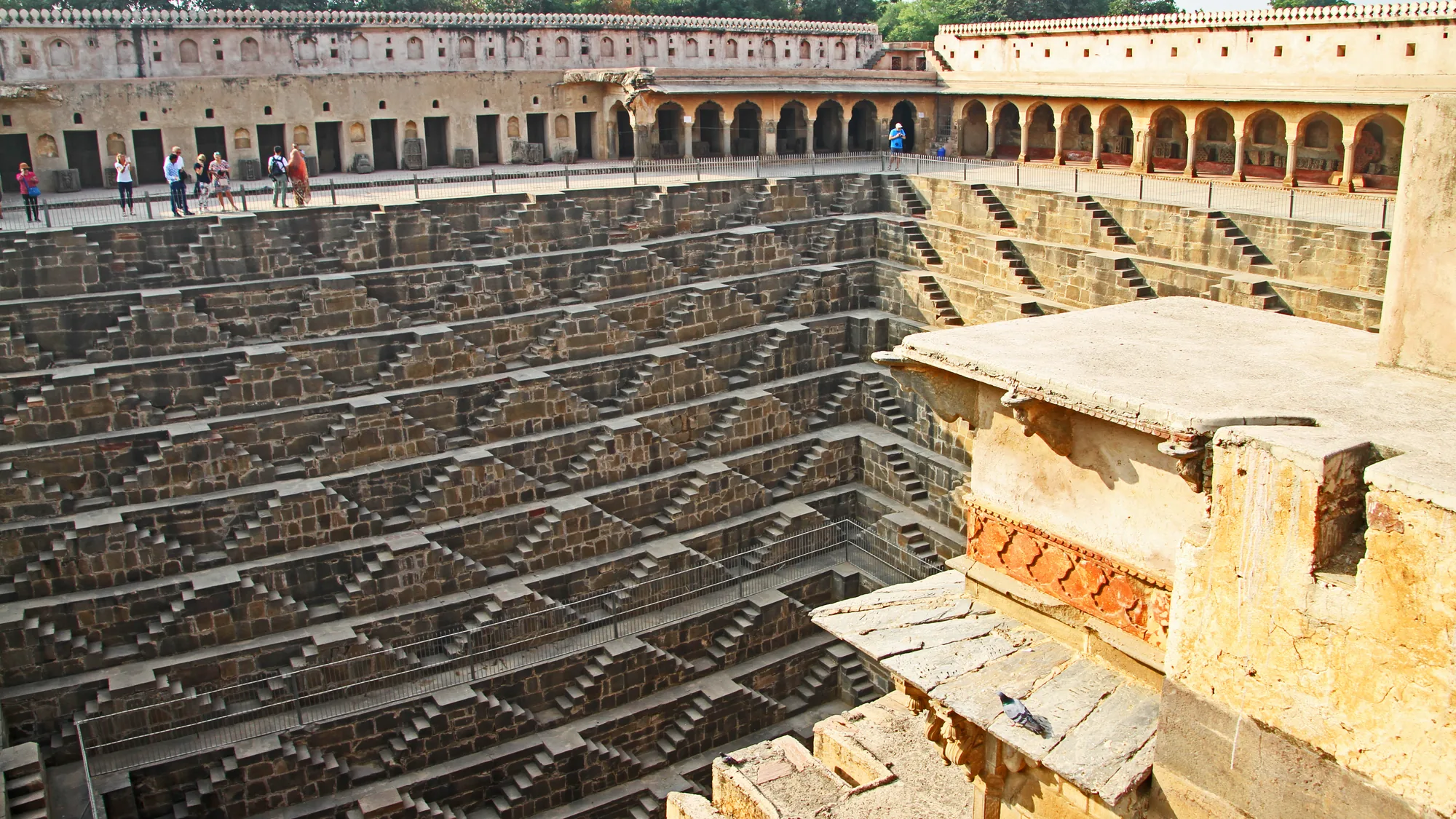
Most visitors experience Chand Baori from the upper walkways and viewing edges. Metal railings now guide the path; stay behind them. The play of light and shadow on the steps is the reason photographers come. Midday sun flattens the geometry; morning and late afternoon carve it into sharp diagonals.
Rajasthan Tourism notes that the baori narrows as you look toward the water, and that the pavilion side was designed for royals to sit and look out. You are looking at water architecture that was also social space: a place to escape heat, draw water and meet neighbours. That is why a quiet weekday visit feels different from a packed weekend.
Harshat Mata temple next door
Do not treat the temple as an afterthought. The sculptures and the ruined grandeur around Harshat Mata explain why Abhaneri was more than a well. Dress modestly, remove shoes where required, and keep voices low if a puja is underway. Together, the temple and the stepwell make the stop feel complete.
October 2026: quiet mornings and one busy weekend
October is comfortable for a Rajasthan day drive: the worst summer heat has eased, and the light is kinder on stone. If your dates fall on 12–13 October 2026, know that Rajasthan Tourism's multi-year fair-and-festival list marks those two days as Abhaneri Festival at this very site. Folk music and dance around Chand Baori draw extra visitors. That can be wonderful if you want atmosphere. It can be frustrating if you want empty geometry for photographs.
For a calm architectural visit, aim for a weekday before or after that weekend. For the festival itself, arrive earlier than usual, park farther out if the village lane fills, and treat the day as culture first, photography second. This post is a day-drive guide, not a festival programme; always recheck the final organiser notice close to the date.
Self-drive car rental in Jaipur: what to arrange before you go
Hire N Ride is an Airbnb-style vehicle rental marketplace. Local hosts list cars on professional profiles, guests leave reviews, and more reviews usually mean more bookings. The platform side helps hosts with the unglamorous work: vehicle surveys, GPS management, and reminders for insurance renewal, PUC certificates, RC papers, permit expiry and servicing.
On the Jaipur car rental page you will see host cars aimed at city sightseeing and Rajasthan road trips. Typical listing notes on that page include a valid four-wheeler licence at least one year old, minimum age 21+, digital KYC with driving licence and Aadhaar, and permission for outstation travel when you select that option at booking. Keep the booking confirmation and vehicle RC available; checkpoints in Rajasthan may ask for documents. Fuel is usually on you. Fill up before you leave the city so you are not hunting pumps in a hurry on the return.
If you prefer two wheels for city forts and ridge roads, the Jaipur bike rental page is the better tool — and we have already written about Amer and Nahargarh at bike speed. For Abhaneri's highway-and-village mix, a car is the calmer choice.
How this day sits next to other Jaipur drives
Westbound overnight energy belongs to Pushkar. South-east wildlife energy belongs to a Ranthambore safari plan. Abhaneri sits in a third lane: short, east, architectural, back the same day. You can do Amer–Nahargarh on another morning and keep Abhaneri for when you want open countryside without committing to a full overnight.
Hosts who list cars in Jaipur benefit when guests take these varied day radii. A guest who does Abhaneri on Thursday and Pushkar on Saturday leaves two reviews and two clean return reports. That is how marketplace reputation compounds — for the host and for the next traveller reading those reviews.
Practical checklist
- Book a host car the evening before; confirm outstation/day-trip cover and kilometre limit.
- Carry original driving licence, booking proof and water.
- Start early; use live navigation for the Abhaneri turn after Sikandra.
- Park legally near the site; do not block village lanes.
- Stay behind railings; do not climb restricted edges of the stepwell.
- Visit Harshat Mata with the same stop.
- If 12–13 October is your window, expect festival crowds and plan parking patience.
For Jaipur hosts listing a car
If you own a well-kept hatchback or compact SUV in Jaipur, days like Abhaneri are exactly why guests open the app. Clear photos, honest fuel policy, GPS that works, and papers that are current matter more than adjectives. List on the List Your Vehicle page, keep insurance, PUC and RC dates visible in your workflow, and answer booking chats quickly on festival weekends. Guests comparing options often look at review count and how recently other travellers drove outstation. A marketplace only works when hosts treat compliance as part of hospitality.
Conclusion
Chand Baori does not need a hard sell. Stand at the edge on a cool October morning and the geometry does the work. A self-drive car rental in Jaipur turns that moment into a simple day: east through Dausa, an hour or two at Abhaneri, Harshat Mata next door, and a calm return. Book a reviewed host car, leave early, and let the steps catch the light before the buses do.
Ready to drive? Browse cars on Hire N Ride Jaipur. Ready to earn from your own vehicle? Become a host.
Manjot Kaur writes Hire N Ride road guides for Jaipur and Rajasthan — short drives, host tips and the practical details that keep a self-drive day on track.