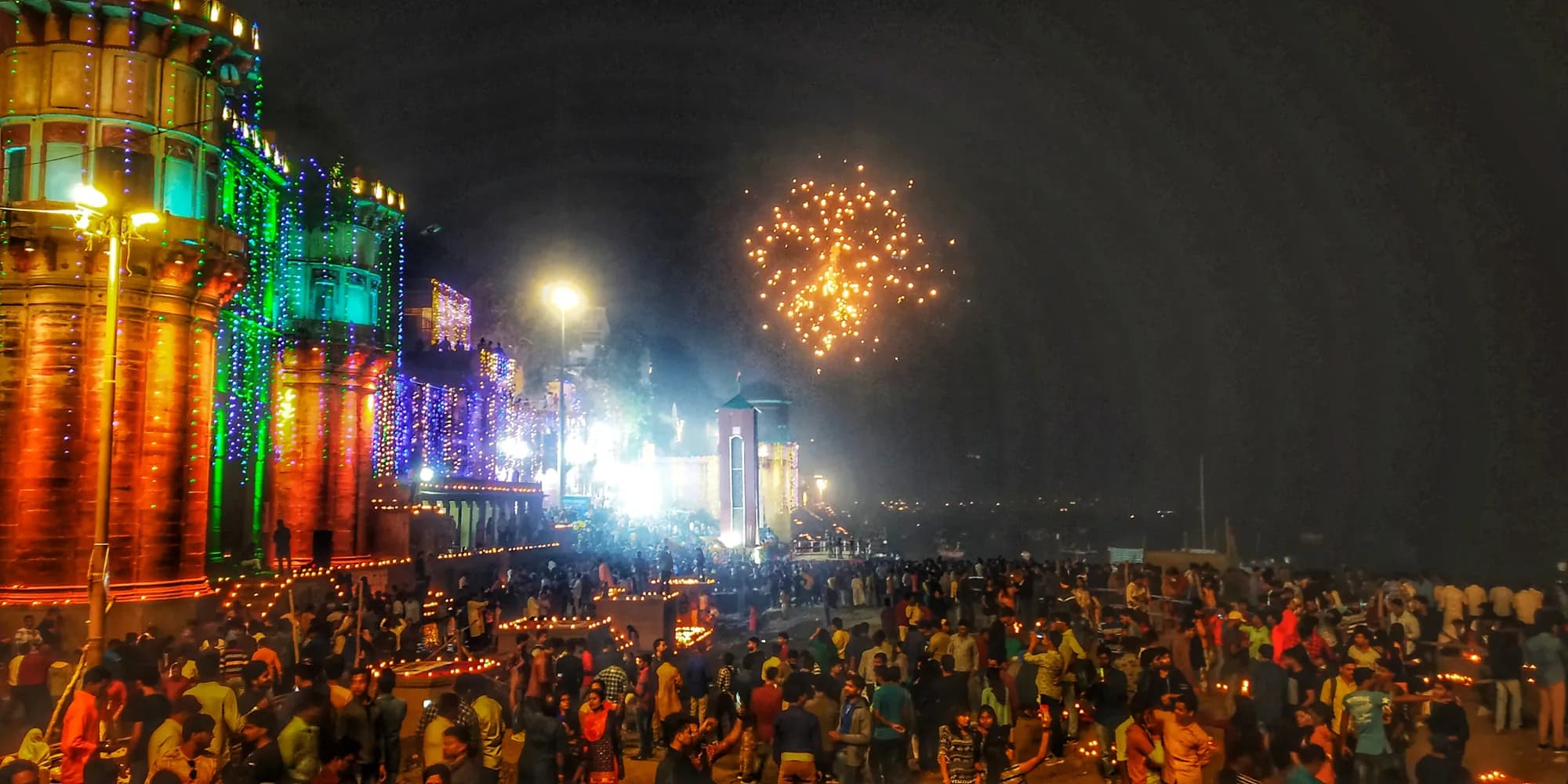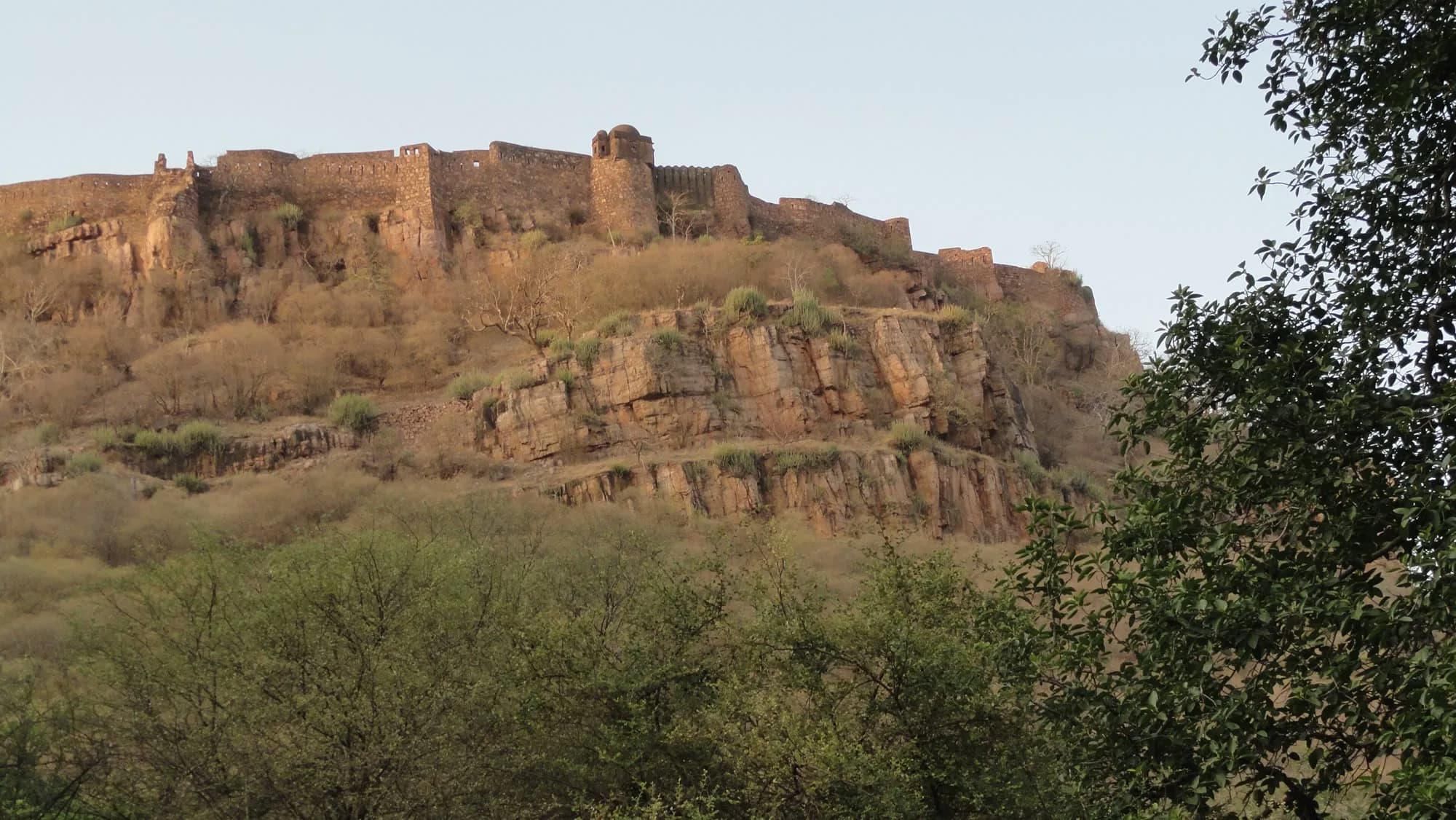
Every October, people in Jaipur start asking the same question: is Ranthambore open yet? This year the answer came on Thursday, 1 October 2026. After the usual three-month monsoon break, the core zones of Ranthambore National Park opened again, and visitors at the Ganesh Dham main gate were welcomed with tilak, rangoli and folk dancers, Navbharat Times reported. The new safari season has started, and the park is a long morning's drive south of the Pink City.
Ranthambore does need some planning, though, because the trip has two halves. A self-drive car rental in Jaipur takes care of the first half: the drive south, the hotel check-in, and the freedom to leave when you want. The second half belongs to the forest department. Inside the park you ride in an official Gypsy or Canter, and since 2025 even the road up to Ranthambore Fort has been closed to cars from outside the district. If you know where your car stops and the Gypsy takes over, the weekend goes smoothly. If you don't, you lose half a day at a barrier.
This guide is about that handover. It covers the drive from Jaipur, the order in which to book things, how to fit two safaris into one overnight trip, and the vehicle rules on the fort road. If you would rather do a lakeside temple town than a tiger reserve, our Pushkar overnight from Jaipur guide covers that trip.
Key Takeaways
- Ranthambore's 2026–27 season opened on 1 October 2026. Core zones 1–5 close every year from 30 June to 30 September, and all ten zones are now open.
- Your rental car does not enter the safari zones. Safaris run only in official Gypsies (six seats) and Canters (larger shared vehicles) booked through the Rajasthan Forest Department.
- Plan for roughly 165–190 km each way, depending on your start point and route, and 3.5–4.5 hours of driving. Leave Jaipur early.
- Local reports give October safari times of 6:30–10:00 am and 2:30–6:00 pm. The times change with the season, so go by the slot printed on your permit.
- On the Trinetra Ganesh / fort road, only Sawai Madhopur-registered four-wheelers and local taxis are allowed. Park your rental and take a local taxi.
- Book the permit first and the car second. Then pick a reviewed Hire N Ride host whose car suits a highway round trip.
What opened on 1 October, and why it matters
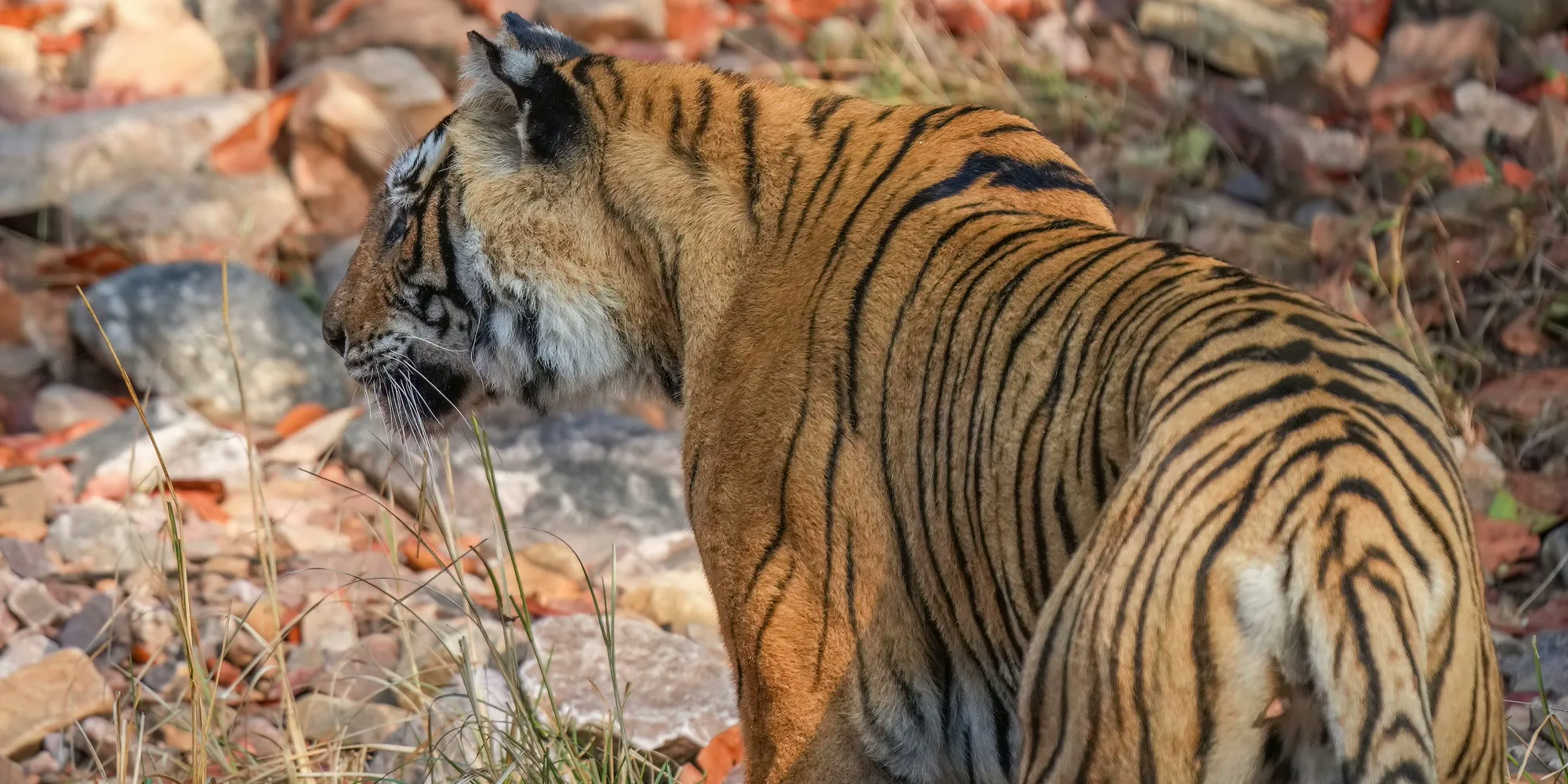
Ranthambore is divided into ten tourism zones. Zones 1 to 5 make up the core, the area most visitors hope to get because it has the best chance of tiger sightings. They close every year from 30 June to 30 September. The monsoon is breeding season for many species, and the break also gives the forest department time to repair dirt tracks damaged by the rain. Zones 6 to 10 can stay open through the monsoon. Since 1 October, all ten zones are open again for the 2026–27 season.
For a Jaipur driver, October is a pleasant time to go: the heat has eased and the forest is still green after the rains. The catch is demand. Opening weeks and weekends fill the core zones quickly, so the permit decides your dates, not the car.
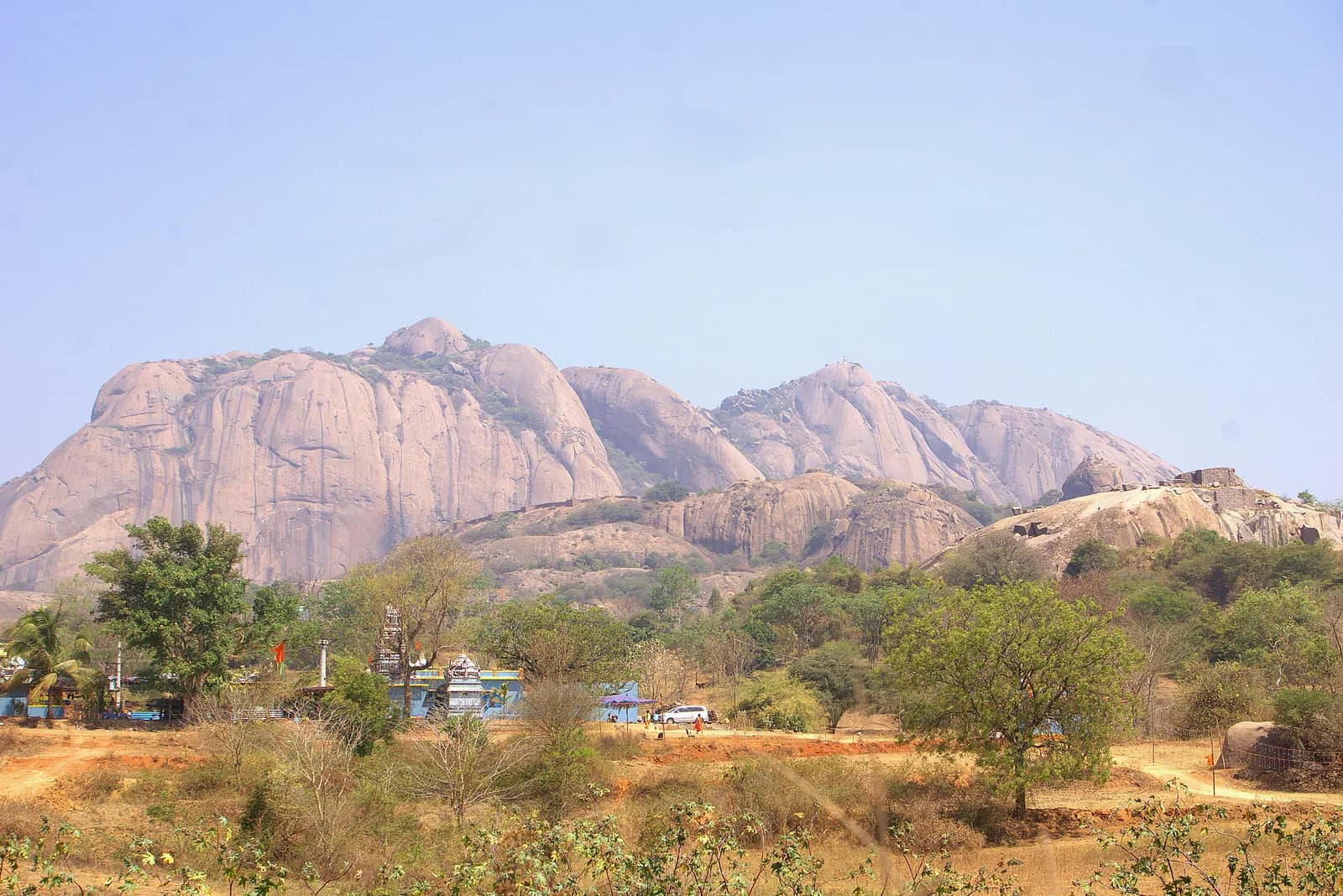
Tigers are the main draw, but they are not the only reason to go. The park covers about 1,334 sq km, including the Kailadevi and Sawai Man Singh sanctuaries. It lies between the Banas river to the north and the Chambal to the south. Leopards, sloth bears, sambar and mugger crocodiles live here, along with more than 270 recorded bird species.
Where the car stops and the Gypsy takes over
This is the part first-time visitors most often get wrong, so here it is plainly. Private cars are not allowed into Ranthambore's safari zones. Game drives run only in forest-department-registered Gypsies (open six-seat jeeps) and Canters (bigger open buses), and you book a seat or a whole vehicle for a set zone and shift. Your self-drive car gets you to Sawai Madhopur, takes you to your hotel and the pickup point, and waits for you while you are in the forest.
Here is what that means in practice:
- Your car's job: the drive from Jaipur, hotel transfers, meals in town, any optional stops on the way, and the drive home on your own schedule.
- The Gypsy's or Canter's job: everything inside the zones. Depending on how you booked, the safari vehicle may pick you up at your hotel or at a fixed point. Check the details on your booking.
- Where to leave the car: in your hotel's parking during safaris. Do not leave it at the roadside near a gate, and keep valuables out of sight.
A Gypsy is smaller and quieter; a Canter is a shared ride with more people. Either way, the safari is booked separately from your car.
The drive from Jaipur: routes, timing and fuel
The most common route goes south on NH52 towards Tonk and then takes the state highway through Uniara to Sawai Madhopur. Most route guides put this at about 180 km and 3.5 to 4.5 hours. Some routing tools give a shorter fastest line of about 165 km from central Jaipur to Sawai Madhopur town. The other main option goes through Dausa and Lalsot, and is usually described as a little longer, with some rougher patches. Check live navigation the evening before you leave.
Practical habits for this drive:
- Leave early. Getting out of Jaipur before the morning traffic builds up makes a big difference on the city side, especially near Sanganer and the Tonk Road belt.
- Fill up the tank before the smaller roads. The four-lane stretch has fuel stations and dhabas at regular intervals. The Tonk–Uniara section is narrower in places, so top up before you leave the main highway.
- Don't drive back in the dark if you can avoid it. Rural roads near the reserve have cattle, tractors and the occasional wild animal on them. Schedule the return for daylight.
- Allow a buffer before an afternoon safari. Missing the reporting time can cost you the slot.
For car size, a well-kept hatchback or sedan is fine for two people on this route. Families with luggage, or groups doing a full weekend, usually find an SUV more comfortable over a few hours of highway. Our Scorpio rental in Jaipur guide explains when the bigger car is worth it.
Book in this order: permit, stay, then car
The order matters because the permit is the hardest thing to get. Safaris are booked on the Rajasthan Forest Department's online booking system, where you choose Ranthambore Tiger Reserve, the zone, date, shift (morning or afternoon) and vehicle type, and enter valid ID details for every visitor. Booking guides describe an advance-booking window that opens months ahead, plus shorter-notice quotas closer to the date. Popular core-zone slots in the opening weeks and on weekends can go quickly.
- Get the safari permit first. Pick your zone and shift, and keep the ID you used for the booking with you for the trip.
- Book a stay in or near Sawai Madhopur that has secure parking and is close to your pickup point.
- Then book your self-drive car rental in Jaipur. Once the dates are fixed, choose a host on the Hire N Ride Jaipur car rental page whose pickup time works with an early start.
We haven't listed safari fees or rental prices here because they change. Check the current amount on the official booking screen and the live price on the host's listing.
A two-safari overnight that doesn't feel rushed
A same-day return from Jaipur is possible for very determined drivers, but it means hours on the road around a single safari. The overnight plan below fits two game drives in at an easy pace. According to local reports, October safari times are about 6:30 to 10:00 am and 2:30 to 6:00 pm. Booking guides list slightly different hours from November to January (about 7:00 to 10:30 am and 2:00 to 5:30 pm). Your permit is the final word.
Day 1
- Early morning: collect the car (or have it delivered the evening before), photograph it at handover, and leave Jaipur.
- Mid-morning: stop for breakfast and fuel on the highway, then carry on to Sawai Madhopur.
- Midday: check in, park the car, eat lunch and rest.
- Afternoon: first safari. Carry water, a scarf against the dust and a light jacket for the open vehicle.
Day 2
- Dawn: second safari, in a different zone if your permits allow. Mornings tend to be cooler and quieter.
- Late morning: breakfast, check out, and an optional fort visit by local taxi (see below).
- Afternoon: drive back to Jaipur in daylight.
If you only have one day, choose a single safari and cut everything else. Don't try to fit the fort, two safaris and a round trip into the same day.
Ranthambore Fort and Trinetra Ganesh: park the rental
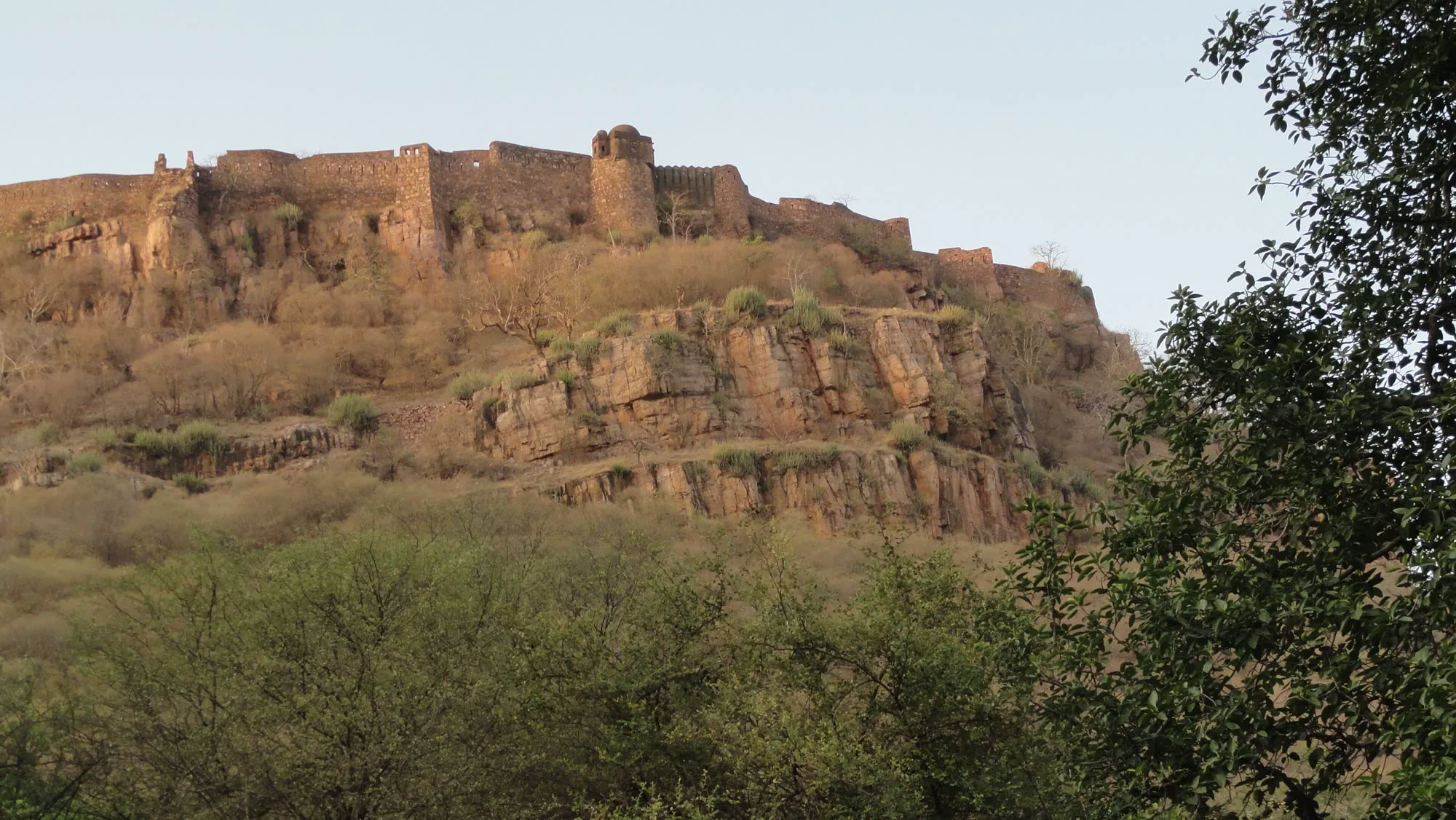
The fort that gives the park its name stands on a hill inside the reserve, about 210 m above the plain. It dates back to the 10th century and contains temples to Ganesh, Shiva and Ramlalaji. Ranthambore is one of six forts on UNESCO's Hill Forts of Rajasthan World Heritage listing (inscribed in 2013). Amber, just outside Jaipur, is another, so you can see two forts from the same listing on one trip.
The road up runs through the core of the reserve. In 2025, after tiger attacks on the temple route, the forest department stopped private vehicles from outside the area from using it. Hindustan Times reported that visitors' cars were to be parked near the Sherpur tri-junction, with local taxis carrying devotees up to the temple. Rules reported by NDTV Rajasthan for New Year 2026 allowed only four-wheelers registered in Sawai Madhopur (RJ-25) and local taxis on the Trinetra Ganesh road, and banned two-wheelers and walking. After repairs, the road reopened in early September 2026. As far as we could find, the vehicle rules haven't been relaxed.
- Your Jaipur rental does not qualify. Park it at the designated area or at your hotel and take a local taxi.
- Avoid Wednesdays if you can. Wednesday is the temple's busiest day. Papers in a 2025 Supreme Court case put Wednesday crowds above 10,000 pilgrims.
- Wear sturdy shoes. The last stretch is a climb on foot through the fort's old gateways.
What to carry, and good habits in the reserve
- Documents: a valid four-wheeler licence, the ID used for the safari booking, and your Hire N Ride booking details.
- Layers: October mornings in an open Gypsy can feel cool before sunrise, and afternoons are warm and dusty.
- Cash and UPI: useful for local taxis, tea stalls and small shops in Sawai Madhopur.
- Keep quiet near the animals: follow your guide and never ask to go off-track.
Why the host matters on a long highway weekend
A round trip of this length depends on tyres, brakes, air-conditioning and a host who picks up the phone if a warning light comes on near Uniara. Hire N Ride works like Airbnb for vehicles: you book a car from a local host, not from a faceless depot. Every host has a profile with reviews from earlier renters. Hosts who hand over on time, keep their cars clean and explain the fuel and kilometre policy clearly get better reviews, and better reviews bring more bookings. That system is what helps you choose.
Read recent reviews as you would for a homestay: early pickups, highway condition, deposits. You may have used app fleets such as Zoomcar elsewhere; here you choose a specific person's car, so reviews and condition photos tell you more than a brand name.
Own a car in Jaipur? Safari season is booking season
From October onwards, Jaipur fills with travellers planning trips to Ranthambore, Pushkar and other forts, and many of them want a reliable car they can drive themselves. If you own a well-maintained hatchback, sedan or SUV, listing it on Hire N Ride lets you earn from it on the dates you choose. Renters are licence-verified before they book, and every completed trip adds to your public profile and reviews.
Highway weekends put more wear on a car, and Hire N Ride takes on much of the paperwork and upkeep that tires out small owners:
- Vehicle surveys before and after trips
- GPS management while the car is out
- Insurance renewal reminders
- PUC certificate tracking
- RC tracking
- Permit expiry reminders
- Servicing schedules, which matter more after long Ranthambore runs
With those handled, you can focus on what earns good reviews: clean cars, fair fuel rules and quick replies. More reviews bring more bookings, and one car can grow into a small rental business. Start on the List Your Vehicle page.
Conclusion: drive to the forest, then let the forest set the pace
Ranthambore's new season started on 1 October 2026, and from Jaipur it makes a good overnight trip: a few hours on the road, two safaris, and maybe a fort climb by local taxi. Your car handles the road, the timing and the drive home, and the official Gypsy or Canter handles the forest. With self-drive car rental in Jaipur from a reviewed Hire N Ride host, you can leave early, rest between safaris and get home before dark without waiting on anyone else.
Next steps, whichever side you're on:
- Book a ride: once your safari permit is confirmed, choose a car from a reviewed local host on the Jaipur car rental page.
- Become a host: list your car on the List Your Vehicle page and make it available for safari-season weekends.
About the author: Hire N Ride Team. We are the editorial team at Hire N Ride, a marketplace where local hosts rent out self-drive cars and bikes across India. We write practical, fact-checked road-trip guides for riders, and we help hosts run their listings as a proper business.
Images: Giles Laurent and RahulDogra264 via Wikimedia Commons (CC BY-SA 4.0), credited in captions. Facts checked on 5 October 2026.