By Manjot Kaur · 12 October 2026
Amritsar rewards an early start and a clean evening plan. The Golden Temple compound is calmest before the mid-morning rush, and the Attari–Wagah beating retreat only works if you leave the city with real buffer for parking, security and a seat. Squeeze both into one day and you will feel rushed. Space them with a short heritage walk in between, and the day feels complete.
With car rental in Amritsar on Hire N Ride, you keep your own timetable: dawn darshan, a late-morning stop at Jallianwala Bagh and the Partition Museum, then the Grand Trunk Road west to Attari.
Key Takeaways
- OSRM routing puts Attari about 31 km west of central Amritsar (roughly half an hour of pure driving each way). Leave much earlier than that calculation suggests.
- In the winter half of the year (roughly October–March), the retreat ceremony typically starts in the late afternoon as sunset moves earlier. Confirm the day's time locally before you leave; seasonal shifts are common.
- The Partition Museum at Town Hall is open Tuesday–Sunday, 10:00 AM–6:00 PM, and closed on Mondays plus 26 January, 15 August and 2 October (per the museum's visit page).
- Park once near the Golden Temple complex for Harmandir Sahib, Jallianwala Bagh and the Partition Museum — they sit within a short walk of each other — then drive out for Attari in the afternoon.
- Carry government photo ID for the border stands. Bags and power banks are commonly restricted; travel light.
- Book a self-drive car on the Amritsar car rental page.
Why This Circuit Works in Mid-October
October in Punjab usually brings clearer skies and cooler evenings than the monsoon months. That helps for an outdoor ceremony at Attari and for walking the marble parikrama around the sarovar. It is also peak tourist season for Amritsar: weekends and the run-up to Diwali (early November in 2026) fill hotels and border stands faster. A weekday self-drive is easier to time than a Saturday.
This post is not a festival guide. Navratri, Dussehra and Diwali already have their own coverage elsewhere on the Hire N Ride blog. Here the focus is a practical, evergreen Amritsar day — temple, memorial, museum, border — that you can run any clear autumn or winter day when the museum is open.
Morning: Harmandir Sahib Without the Crush
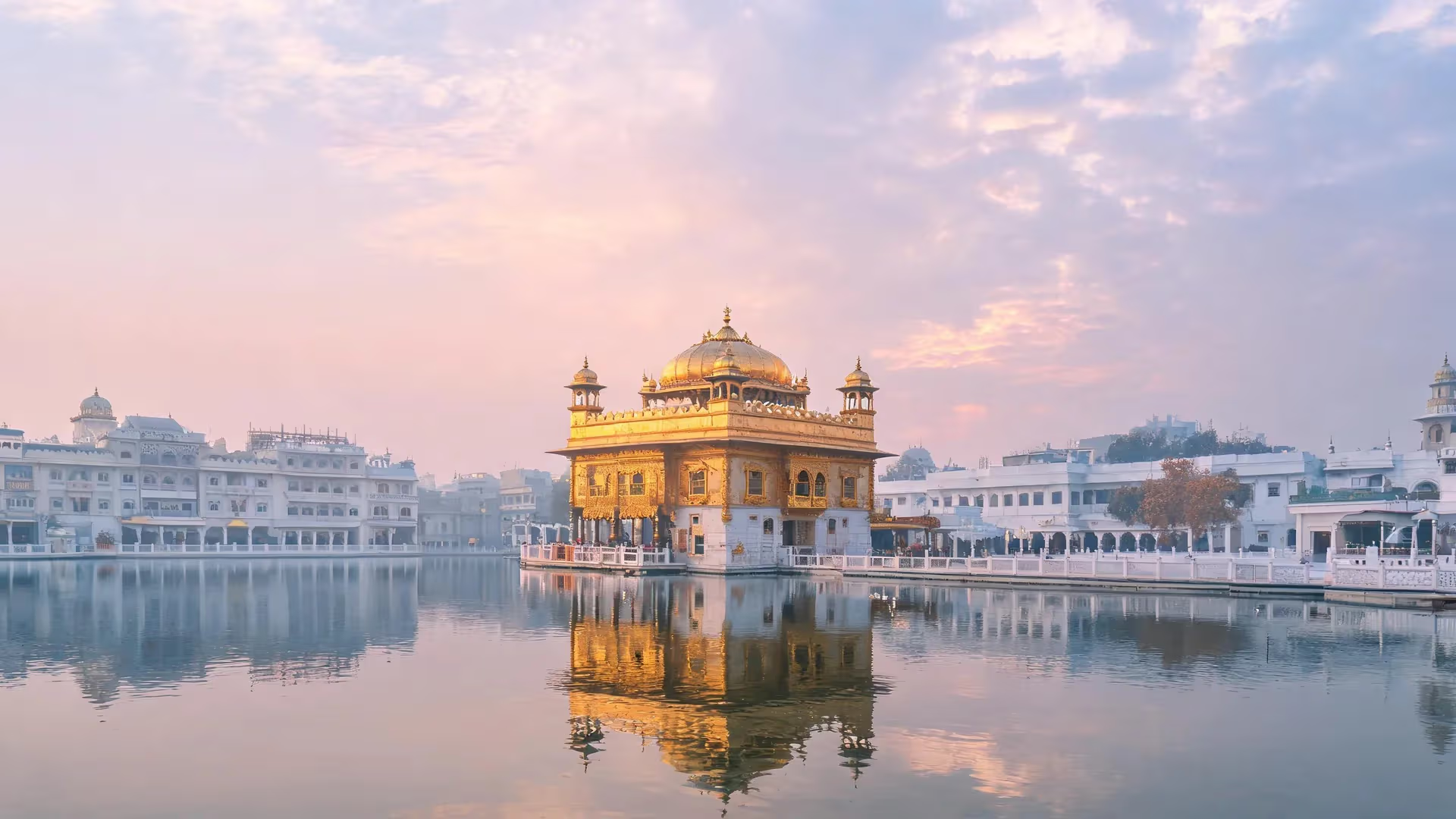
The Harmandir Sahib, known worldwide as the Golden Temple, sits in the old city with Jallianwala Bagh and Town Hall a short walk away. Cover your head, wash your hands, and leave shoes at the jora ghar. Photography rules inside the sanctum are strict; follow sewadars' instructions. Early morning is the calm window for darshan and a slow walk around the sarovar. Later in the day the queues lengthen and the compound feels more like a transit hub than a place of quiet.
Plan two to three unhurried hours if this is your first visit. Langar runs through the day; eat there if you want the shared meal, or step out to nearby Amritsari kulcha spots after you exit. Keep valuables minimal — you will pass through security again at Attari.
Late Morning: Jallianwala Bagh and the Partition Museum
Jallianwala Bagh is a few minutes on foot from the temple complex. The memorial park marks the site of the 13 April 1919 massacre. Most visitors need 30–45 minutes. Read the plaques, note the well and the bullet marks, and give the place the quiet it asks for.
From there, Town Hall holds the Partition Museum, the first museum dedicated to the 1947 Partition. Official timings for Amritsar are 10:00 AM to 6:00 PM, Tuesday to Sunday; it is closed on Mondays and on 26 January, 15 August and 2 October. Ticket prices listed on the museum site are modest for Indian nationals, higher for foreign nationals, with free entry for young children and Partition survivors. Photography inside is prohibited. Budget at least an hour; many people need closer to ninety minutes.
If your Amritsar day falls on a Monday, skip the museum and use that block for Hall Bazaar, a second quieter temple visit, or an earlier departure toward Attari.
Afternoon: The Drive to Attari
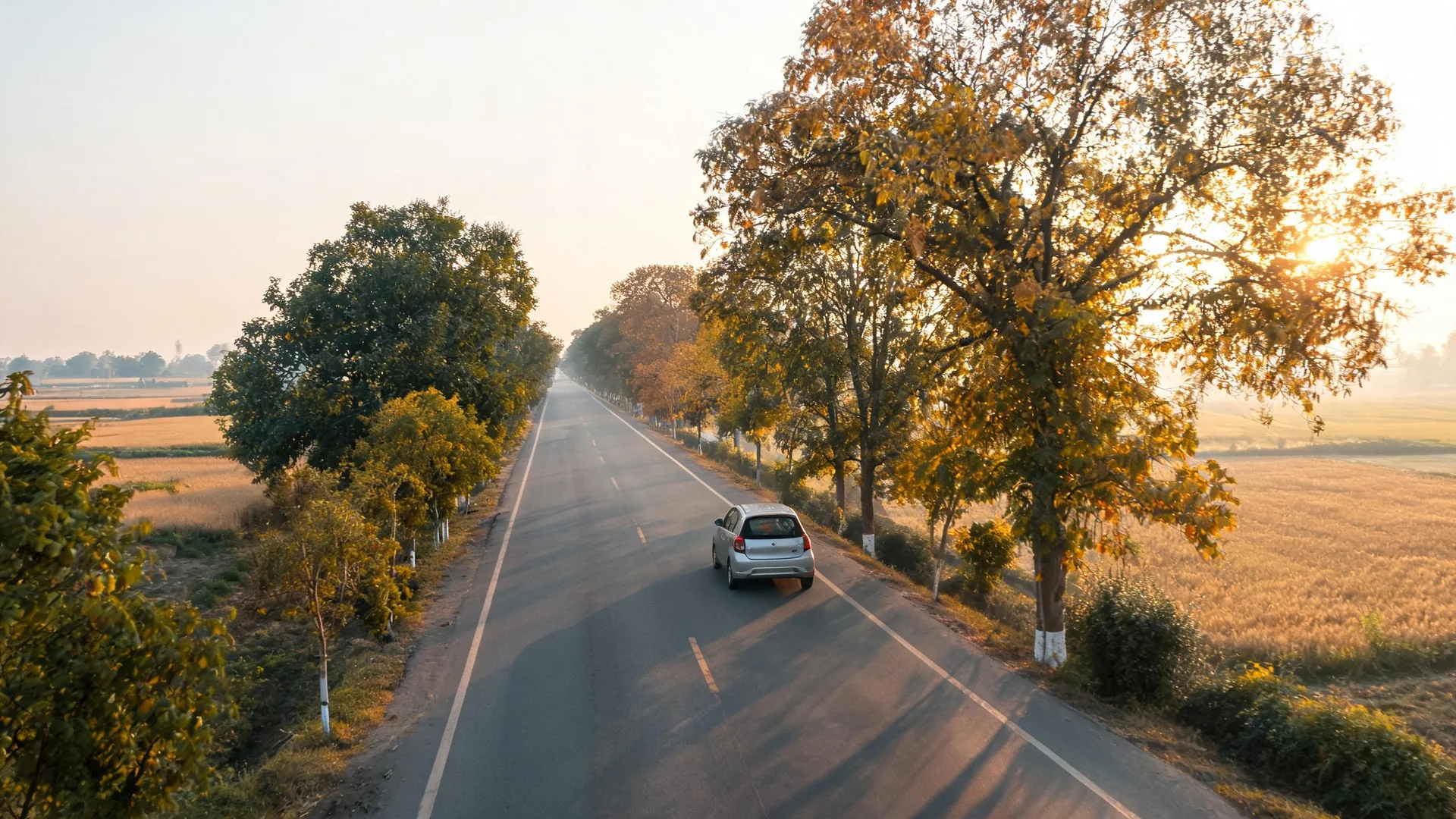
OSRM puts the border about 30.6 km west of central Amritsar, roughly half an hour of driving in clear traffic. The road is the historic Grand Trunk corridor toward the joint check post at Attari (the Pakistani village opposite is Wagah; the ceremony is often called Wagah even on the Indian side). Pure drive time is not your planning number. You still need parking near the visitor area, a security check, a walk to the stands, and time to find a seat.
Practical pattern for a winter afternoon: finish the museum by early afternoon, return to your car, and leave Amritsar with at least two hours before the expected ceremony start — more on weekends and holidays. Confirm the day's retreat time with your hotel, a local desk, or the BSF Attari information channels before you go; timings shift with sunset and have been revised seasonally in recent years.
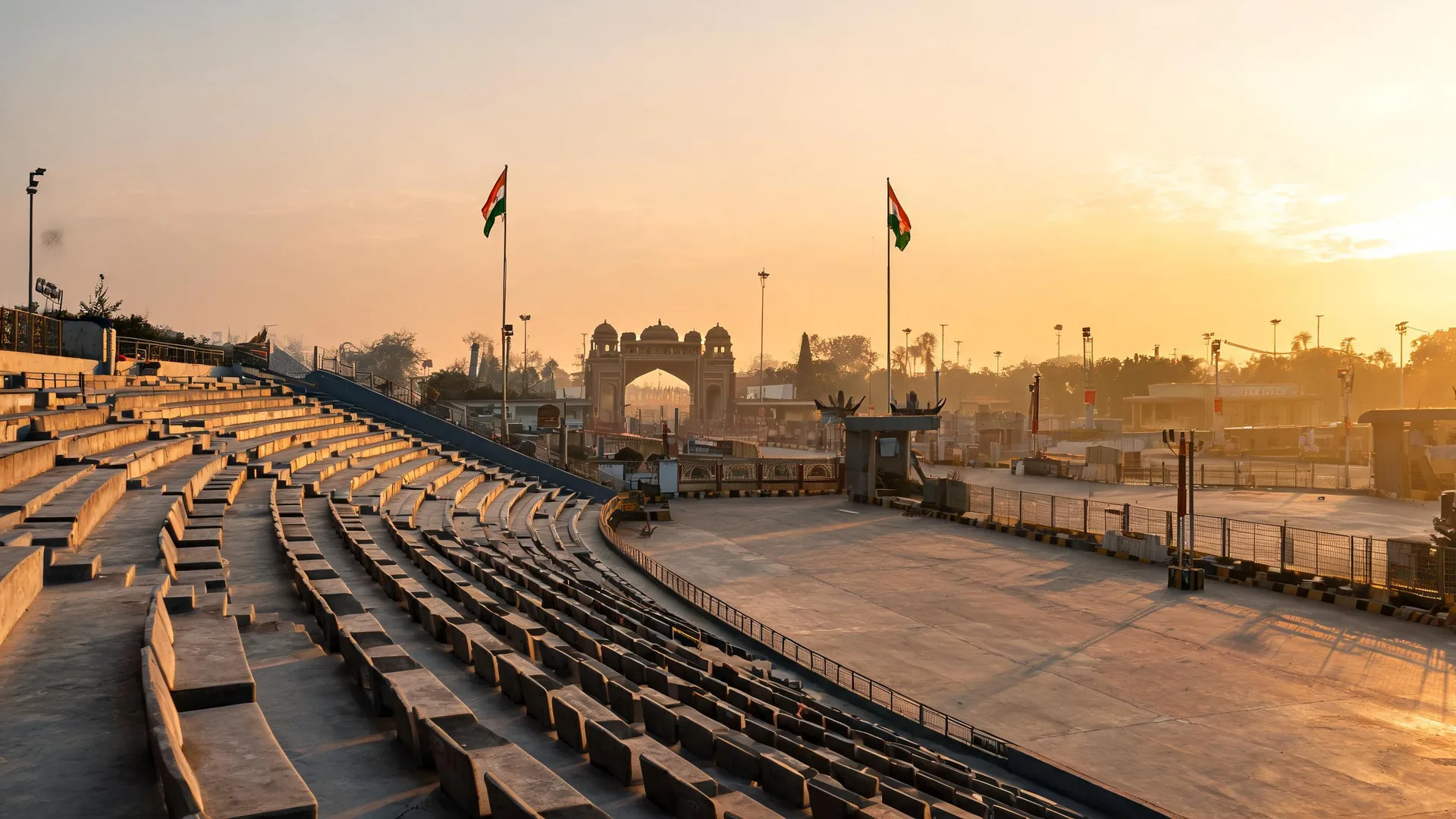
The Wagah border ceremony is a daily BSF–Pakistan Rangers flag-lowering drill that has run since the late 1950s. Stands fill early. Online seat booking on the official Attari BSF site is free when available; carry the booking and a photo ID. Bags and power banks are commonly not allowed near the stands — travel with phone and ID only if you can.
A Sample Timetable (Museum Open Days)
- 6:30–9:30 AM — Harmandir Sahib darshan and parikrama.
- 9:45–10:30 AM — Jallianwala Bagh.
- 10:45 AM–12:15 PM — Partition Museum (opens 10:00 AM).
- 12:30–1:30 PM — Lunch near Town Hall / Hall Bazaar; brief rest.
- By 2:00–2:30 PM (winter) — Leave for Attari. Adjust earlier for weekends.
- Ceremony — Late afternoon in winter months; confirm same-day timing.
- Return — Drive back ~30 km; evening meal in Amritsar if you still have energy.
This is a full day. If you only have one afternoon, choose either the temple complex or Attari — not a compressed attempt at both.
Parking, Fuel and City Driving
Paid parking near the Golden Temple complex is the usual base for the morning walk. Do not plan to hop the car between temple, bagh and museum; the walking distances are short and traffic in the old city is slow. For Attari, follow local signage to visitor parking and expect a walk after you leave the vehicle. Keep the tank comfortable before you head west — you do not want a fuel errand between security checks.
Amritsar traffic near the old city can stall without warning when processions or peak temple hours overlap. Build slack into every segment. Zoomcar and other self-drive options exist in some Punjab cities, but a Hire N Ride host car booked on the Amritsar page keeps pickup local and the host available if something on the vehicle needs attention.
When to Split the Day
Split into two half-days if any of these apply: you are travelling with elders who need rest between standing queues; it is a major holiday weekend; the museum is closed and you would rather give Harmandir Sahib a second evening visit; or you also want a side trip toward areas covered in our Punjab posts from Chandigarh — for example the Anandpur Sahib and Virasat-e-Khalsa drive, Le Corbusier's Chandigarh at bike speed, or a lighter Pinjore Gardens half-day. Amritsar to those Chandigarh-side stops is a separate journey; do not bolt them onto a temple-and-border day.
To plan the rest of your trip, start with our Chandigarh and Punjab car and bike rental guide.
Conclusion
One Amritsar car day works when the morning stays near Harmandir Sahib and the afternoon is reserved for Attari. Keep the museum for open days, confirm retreat timing before you leave, and treat the 31 km to the border as the easy part of the schedule.