Early October is one of the calmer windows for bike rental in Rishikesh. The monsoon has usually eased, mornings stay cooler than midsummer, and the Tapovan–Laxman Jhula lanes are busy without being impossible. The mistake many visitors make is treating every stop as a separate auto hop: Tapovan market, the Laxman Jhula corridor, Ram Jhula, then a waterfall run. Distances look short on a map and feel long on foot in the heat, so fares and waiting time add up.
A better pattern is simple: park once near Tapovan, walk the riverside corridors, then use the bike for the one stretch that rewards wheels — the roughly 6 km ride from the Laxman Jhula side toward Neer Garh (Neer Garh Waterfall). This guide times that half-day, explains what to expect around the Jhulas after the old bridge closure, and shows how booking a reviewed host on Hire N Ride keeps the rental side professional. Browse available two-wheelers on the Hire N Ride bike rental in Rishikesh page.
Key Takeaways
- Base yourself in Tapovan / Laxman Jhula if most of your half-day is riverside walks plus Neer Garh.
- Park once and walk the Jhula corridors; do not try to ride every lane end-to-end.
- The historic Lakshman Jhula has been closed for years; pedestrians use the newer Bajrang Setu crossing — confirm two-wheeler rules on the day.
- Neer Garh is about 6 km from Laxman Jhula on the Rishikesh–Badrinath / Shivpuri road; plan a short trek beyond the trailhead.
- Beatles Ashram (Chaurasi Kutia) may be closed for restoration — check current access before you build it into the plan.
- Hire N Ride is a marketplace: pick a host with reviews, verify documents at handover, and list your own bike if you live here.
Why a scooty or bike beats autos for this half-day
Rishikesh, on the Ganga in Uttarakhand’s foothills, is compact in spirit and awkward in logistics. Travel guides and local rental operators commonly put Tapovan to Ram Jhula around 3 km, Neer Garh around 6 km from Laxman Jhula, and Triveni Ghat farther south toward town. None of those hops are hard alone; chaining them with autos means repeated negotiation and idle time.
A scooty or light motorcycle changes the shape of the afternoon:
- One vehicle for the Neer Garh spur — the highway climb is the part that feels long on foot.
- Parking that fits Tapovan lanes — a compact scooty slips into gaps where a larger bike struggles.
- Your own return time — leave Neer Garh when you want, not when a driver is free.
- Delivery to your stay — many Hire N Ride hosts can arrange pickup near Tapovan, Laxman Jhula or Ram Jhula, so you start where you sleep.
If you also need a car later for Haridwar or Dehradun, keep the vehicles separate: use the bike for the Jhula corridor day, and look at self-drive car rental in Dehradun only when the plan stretches into longer highway runs. For another hill bike pacing example in the same region, see our Mussoorie bike afternoon guide.
Bridge reality check: Lakshman Jhula, Bajrang Setu and Ram Jhula
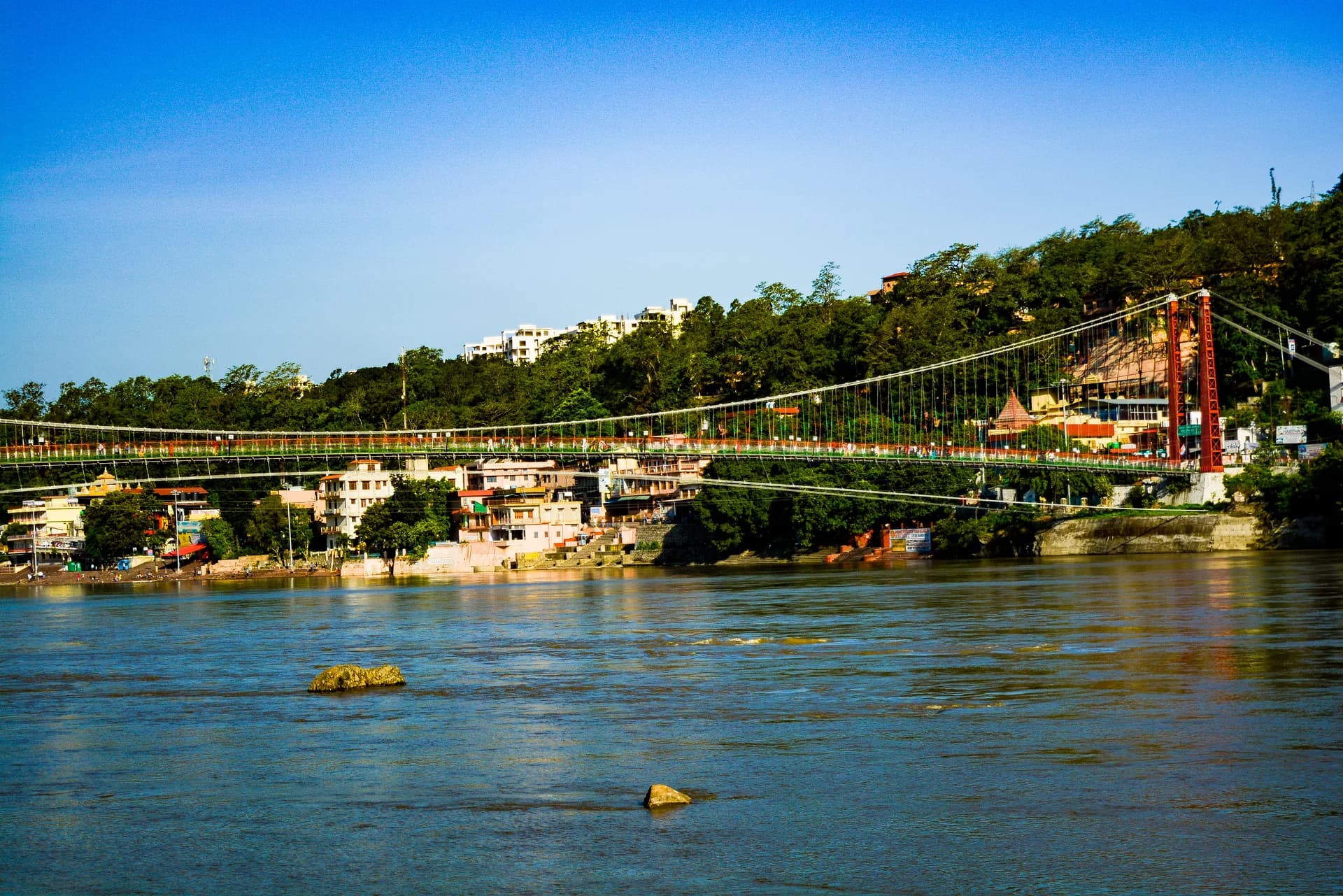
Do not plan as if you can casually ride across the old iron Lakshman Jhula. Authorities closed the historic suspension bridge to crossing after it was judged unsafe; it remains a landmark while pedestrian movement shifted to the newer Bajrang Setu nearby (a cable suspension bridge with glass walkway sections that have drawn heavy tourist interest). News reports describe a central deck for normal movement and timed rules for the glass sides — details and any two-wheeler permissions can change, so treat crossing rules as something you confirm locally on the morning you ride.
Wikipedia’s Lakshman Jhula overview is a useful orientation on the older bridge and its location northeast of central Rishikesh. For the neighbourhood experience — temples, cafes, ghats — “Laxman Jhula” still means the whole riverside cluster, not only the closed span.
Ram Jhula remains the better-known pedestrian suspension link between the Muni Ki Reti / Sivananda Nagar side and Swarg Ashram. Travel write-ups often describe Ram Jhula to the Beatles Ashram area as a short ride or roughly 20–25 minutes on foot when the site is open. For most half-day visitors, the winning habit is still park-and-walk around both corridors rather than threading a bike through every crowded lane.
A timed half-day: Tapovan → Jhulas → Neer Garh
Here is a pacing plan that fits a late morning to late afternoon without rushing. Adjust for heat, crowd days and your fitness on the waterfall trek.
08:30–09:30 — Collect the bike and settle a Tapovan park
Collect from your Hire N Ride host, do a slow walk-around, photograph existing scratches, note fuel level, and confirm two helmets if you are riding two-up. Then park once near Tapovan market / your stay. Leave valuables off the bike; monkeys and opportunistic theft are a real local nuisance around parked two-wheelers.
09:30–11:30 — Laxman Jhula corridor on foot
Walk the Tapovan–Laxman Jhula lanes, temple approaches and cafe stretch. Cross only when you need the other bank, using the current pedestrian arrangement (Bajrang Setu / posted diversions). Photograph the old Jhula from safe public viewpoints; do not assume you can ride or walk on the closed heritage span.
11:30–13:00 — Ram Jhula side, lunch, optional ashram check
Shift toward Ram Jhula for the Swarg Ashram atmosphere and a simple lunch. If Beatles Ashram / Chaurasi Kutia is on your list, verify opening status first. The site sits inside the Rajaji Tiger Reserve landscape and reopened to ticketed visitors in 2015 after years of abandonment; however, Uttarakhand reports in September 2026 described restoration work and temporary closure for tourists, with completion talked about into 2027. Build it in only after a same-day confirmation — otherwise keep the afternoon for Neer Garh.
Background reading: Wikipedia on Chaurasi Kutia (Beatles Ashram) and the state tourism portal at Uttarakhand Tourism for broader trip context.
13:30–16:30 — Ride to Neer Garh and trek the tiers
Return to the bike and ride toward Neer Garh along the Rishikesh–Badrinath / Shivpuri highway corridor. Multiple travel guides place the trailhead around 6 km from Laxman Jhula (often 5–6 km from Tapovan and farther from central town / Triveni). Expect roughly 10–20 minutes on a scooty in normal traffic, then park near the signed approach and pay any forest / entry fee in cash at the gate (amounts change; carry small notes).
The waterfall is multi-tiered. Many visitors stop at the first pool; quieter upper tiers take more time and careful footing on wet stone. Wear shoes with grip, keep the phone in a zip pocket, and turn around early enough to ride back before dusk — ghat and hillside roads are poorly lit.
16:30–18:00 — Easy return and Ganga evening
Roll back to Tapovan, refuel if the tank is low, and keep the evening for a riverside walk or aarti plans without another vehicle shuffle. That is the whole point of the half-day design: wheels for the spur, feet for the corridors.
Scooty or geared bike — what fits this route?
For Tapovan lanes plus a 6 km waterfall spur, a 125cc-class scooty is usually the practical tool: light, easy to park, enough for the climb to the Neer Garh approach when ridden patiently. A Royal Enfield-style cruiser is more fun on open highway stretches toward Shivpuri, but it is heavier in market lanes and harder to slot into tight parking.
Choose based on your real day, not the brochure photo:
- Mostly Jhulas + Neer Garh: scooty.
- Longer river highway toward Shivpuri / Vashishtha Cave areas: a motorcycle can make sense if you are comfortable with weight and hills.
- Two-up with luggage: confirm the host’s vehicle type and tyre condition; do not overload a small scooty.
Hire N Ride does not replace your judgement on skill. If you have never ridden in Indian hill traffic, start with a short Tapovan loop before committing to the waterfall spur.
Gear, documents and safety habits
- Licence: carry a valid two-wheeler licence. Check the Hire N Ride FAQ for age and document rules before you book.
- Helmets: both riders. Enforcement is common on highway stretches.
- Fuel: fill in town; pumps thin out once you push past the Shivpuri belt.
- Cash: entry gates and small parking pockets are often cash-first.
- Monkeys and cows: never leave food or loose bags on the mirror; give cattle a wide, slow berth.
- River sense: the Ganga looks inviting and stays dangerous — strong current, cold water, steep shelves. Stay at the edge.
- Handover photos: fuel gauge, odometer, all sides of the bike, and any existing damage.
Autumn / early-October notes (without overclaiming the weather)
Post-monsoon weeks are popular because hillside greenery is still rich and daytime heat is usually kinder than June. That does not mean zero rain or empty lanes — weekends and holiday clusters still jam the Jhula approaches. Leave Neer Garh early if clouds build; wet rock on the trek is the usual turnaround reason, not the scooty ride itself.
We are deliberately not pinning rafting “season dates” or inventing water levels here. If adventure sports are part of your wider trip, confirm operators and river status separately; this half-day is a park-walk-ride loop, not a rafting itinerary.
Why rent from a reviewed Hire N Ride host
Hire N Ride is built like an Airbnb-style marketplace for vehicles. You book a bike from a local host who has a profile, ratings and reviews from earlier riders — not from an anonymous depot counter. Hosts who hand over clean bikes, answer messages and stay reachable earn better reviews, and better reviews bring more bookings. That reputation loop is what you are paying for when the town is crowded and you need a reliable evening return.
Zoomcar is one brand travellers already know for self-drive cars in some Indian cities; for a Tapovan scooty afternoon, a local two-wheeler host on a marketplace often fits the lanes better than a car-first mindset. Read recent reviews the same way you would read stay reviews before a weekend trip.
Own a bike in Rishikesh? Hosting during shoulder season
If you keep a well-maintained scooty or motorcycle in the Tapovan–Rishikesh belt, early autumn demand from yoga visitors and short-stay tourists is a practical time to list. You control availability. Riders are licence-checked before they book. Each smooth trip adds to your public reputation on the platform.
Hire N Ride also helps hosts stay on top of the operational grind:
- Vehicle surveys
- GPS management during trips
- Insurance renewal reminders
- PUC certificate tracking
- RC tracking
- Permit expiry reminders
- Servicing schedules
That back office is what lets a single bike become a small rental business instead of a paperwork hobby. Start on the List Your Vehicle page when you are ready.
Checklist before you twist the throttle
- Book a reviewed host on the Rishikesh bike rental page (or browse all vehicles).
- Confirm delivery point: Tapovan, Laxman Jhula area or Ram Jhula.
- Decide the day’s rule: park once, walk the Jhulas, ride only to Neer Garh.
- Check Bajrang Setu / crossing notices if you must change banks.
- Verify Beatles Ashram access only if it is still a must-see for you.
- Carry water, grip shoes for the waterfall path, and a phone power bank.
- Plan to be off the hillside road before full dark.
Conclusion
A satisfying Rishikesh bike half-day is less about covering every pin on the map and more about sequencing. Park in Tapovan, walk the Laxman Jhula and Ram Jhula corridors, then use the scooty for the Neer Garh spur about 6 km out. Respect the closed heritage Jhula, confirm today’s crossing rules, and skip any ashram stop that turns out to be under restoration. With a reviewed host on Hire N Ride, the rental side stays as calm as the ride you actually want.
Ready to ride? Book bike rental in Rishikesh on the live Rishikesh page, or become a host if your two-wheeler is sitting idle on a weekday.
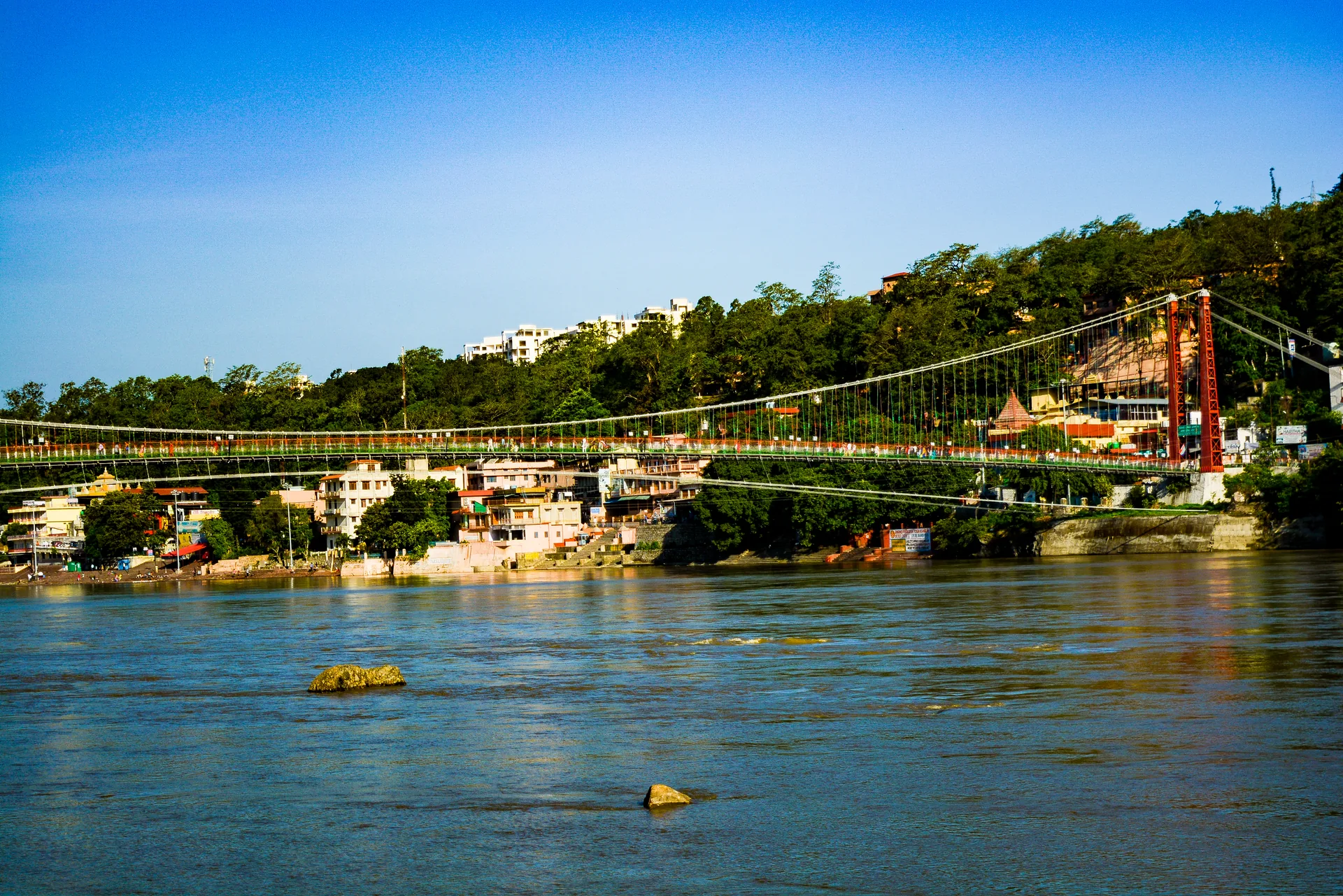
Feature image: Lakshman Jhula Bridge area, Rishikesh, by Snehrashmi, via Wikimedia Commons, licensed under CC BY-SA 4.0. Cropped and resized. The historic span is closed to crossing; the photo remains a clear view of the landmark corridor this guide describes.