
By Nitin Kanish · 14 October 2026
Most people who live in Rohtak have driven past the turn for Rakhigarhi without ever taking it. That's a shame, because a short way off the Hisar road sits what the Archaeological Survey of India calls the largest known settlement of the Harappan, or Indus Valley, civilisation. Add Hansi's Asigarh Fort, the old "Fort of Swords", and you have one of the best heritage days in Haryana. With a car rental in Rohtak, you can do the whole loop at your own pace and be home for dinner.
Mid-October is a good time to go. The summer heat has gone, the winter fog hasn't arrived, and the mounds are quiet. ASI officials told The Indian Express that the next round of digging is expected to start after Diwali, which falls on 8 November this year. If you go now, you'll see the site as it is between seasons: open fields, low mounds, and a village that has learned to explain its past to visitors.
Ready to plan? Book a self-drive car in Rohtak and pick a date.
Key Takeaways
- The loop: Rohtak to Hansi on NH9 is about 78 km. Hansi to Rakhigarhi is about 32 km more, and the drive back to Rohtak is roughly 85 km. Plan on about 200 km in total.
- Kilometres: the Rohtak page on Hire N Ride currently lists unlimited km, so the distance won't add charges. Fuel isn't included.
- Price check: on 14 October 2026, the lowest listed rate in Rohtak was ₹4,944 for one day (a Renault Kwid). The deposit starts from ₹1,000. Rates change, so check the page when you book.
- Order of stops: go to Asigarh Fort in Hansi first, have lunch and buy peda in town, then spend the afternoon at Rakhigarhi.
- Timing: digging is expected to resume after Diwali (8 November), so October is the quiet window.
- Return: start back by about 4:30 pm. Village roads are slow after dark.
Why Rakhigarhi is worth the drive
Rakhigarhi is a working village on the plain between Hansi and Jind, built partly on top of a city whose oldest layers are older than the pyramids at Giza. Wikipedia's Rakhigarhi entry sums up the dating. The site's early levels belong to the pre-Harappan and early Harappan phases, and the city peaked in the mature Harappan period, from around 2600 to 1900 BC. Digs since the 1960s have found brick-lined drains, paved lanes, a granary, a bead and jewellery workshop, seals, copper fish hooks and terracotta toys.
How big it was is still argued over. In a June 2026 press release, the Ministry of Culture described Rakhigarhi as spread over about 550 hectares and "widely recognized as the largest known settlement of the Indus-Saraswati Civilization". Many international scholars give a smaller figure for the core city, because some of the outlying mounds may be separate settlements from different periods. Either way, it is one of the most important Harappan sites anywhere, and it's the biggest in India.
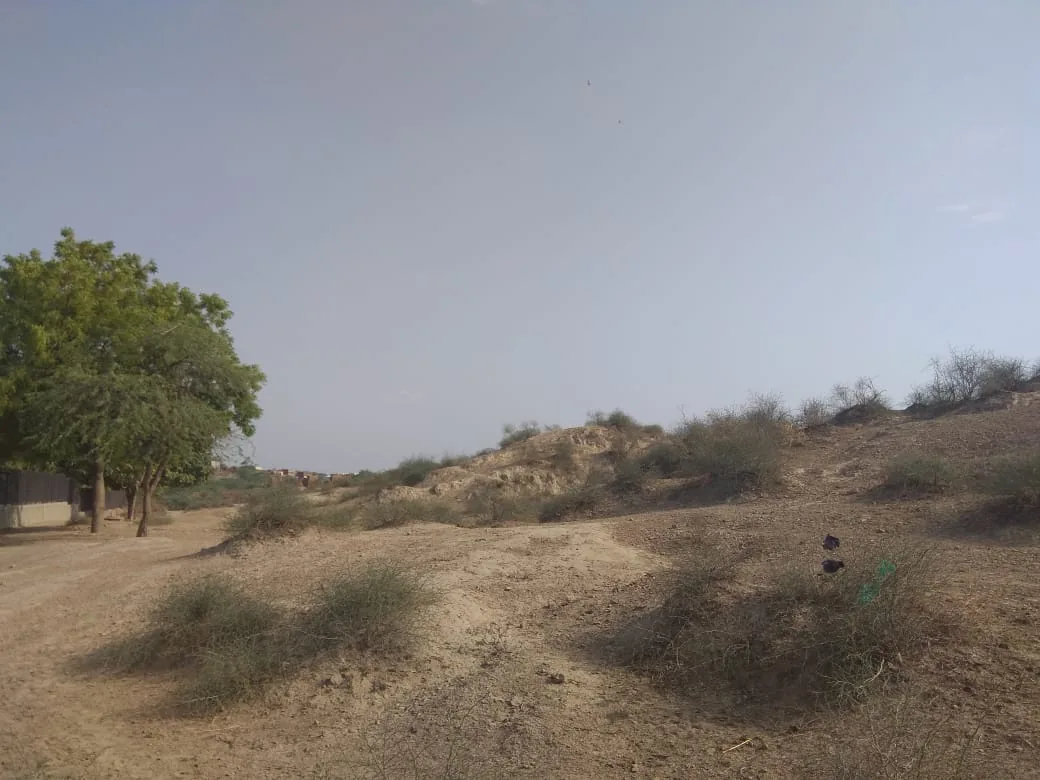
The mounds are numbered. Mounds 1 to 5 were the main town. Mound 6 is an older settlement nearby, and Mound 7 was the cemetery. That's where most of the famous finds came from, including the burials whose DNA has been studied by scientists.
What the latest dig found
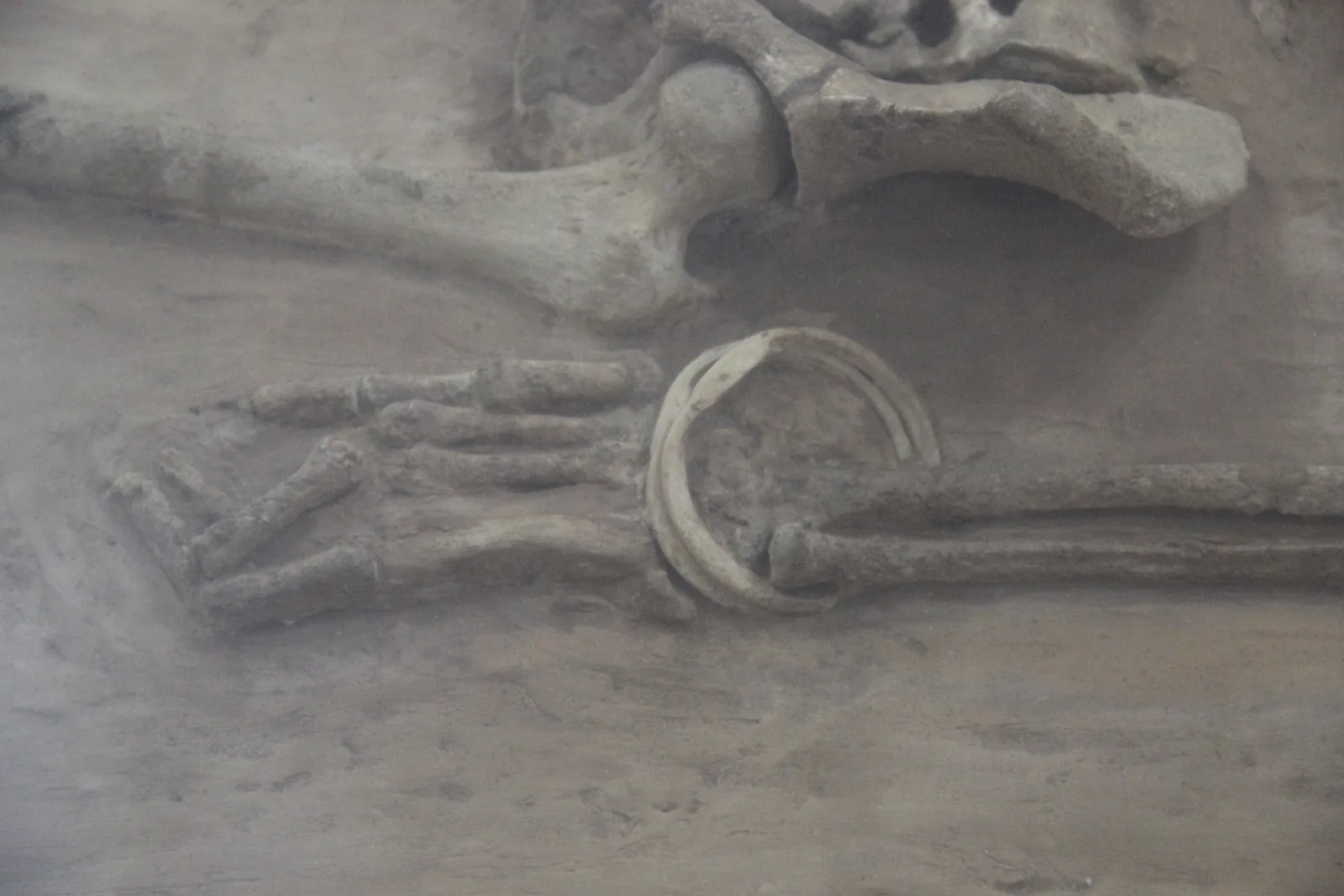
The 2025–26 field season made news this summer. According to the Ministry of Culture press release, archaeologists from the ASI's Excavation Branch-II found eight burials at Mound 7. The skeletal remains were handed to the Anthropological Survey of India in Kolkata for study. The Indian Express reported that DNA samples from one skeleton went to the Birbal Sahni Institute of Palaeosciences in Lucknow, and that one aim of the work is to reconstruct what these people looked like.
The same report said some graves held up to 40 pottery offerings, more than the previous highest count of 22 found at the site. The Tribune reported that two of the women were buried wearing intact shell bangles. Shells had to come from the coast, which is more evidence that Rakhigarhi traded over long distances. Work also reached Mound 5, which lies under the present-day village, for the first time.
None of this is laid out for you when you arrive. The excavation trenches are backfilled or fenced between seasons, and most of the site looks like low, scrubby hillocks with farmland around them. Treat the visit as a chance to stand on the ground itself and picture the streets below, rather than a museum tour.
The museum question
Visitors often ask whether there's a museum. The honest answer is that the plans are big and things are still changing. The state government built a site museum at Rakhigarhi several years ago. In June 2026, ASI Superintending Archaeologist Manoj Saxena told The Tribune that construction of the on-site museum was complete and that excavated artefacts would "soon" go on display. Haryana has also reviewed plans for a larger Site Museum and Interpretation Centre. Earlier in 2026, The Hindu quoted a state official who said a hostel, guest house and cafeteria had been built, with the wider project due by 2027.
So before you set off, call the Haryana archaeology department or ask in the village whether the galleries are open that day. If they aren't, the best Rakhigarhi finds you can see are in the Harappan gallery of the National Museum in New Delhi, which holds a female skeleton from the site. You could pair that with a separate day built around our Delhi car rental page.
The Tribune also quoted a former sarpanch who said that locals know the site's history well and often guide visitors themselves. If someone offers to walk you round the mounds, agree on a fee first and thank them properly. It's often the best part of the visit.
The route from Rohtak
Rohtak to Hansi on NH9 (about 78 km)
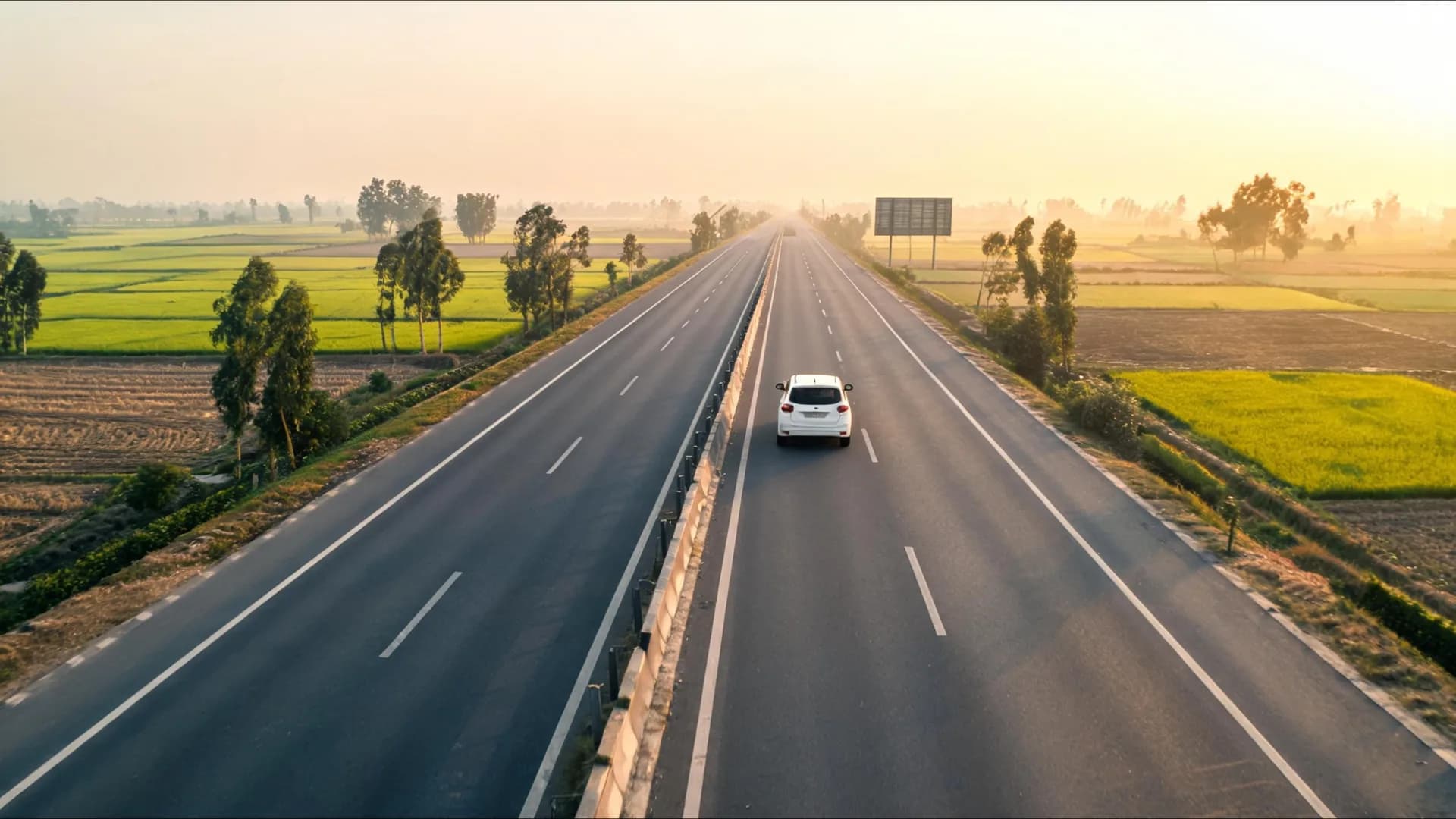
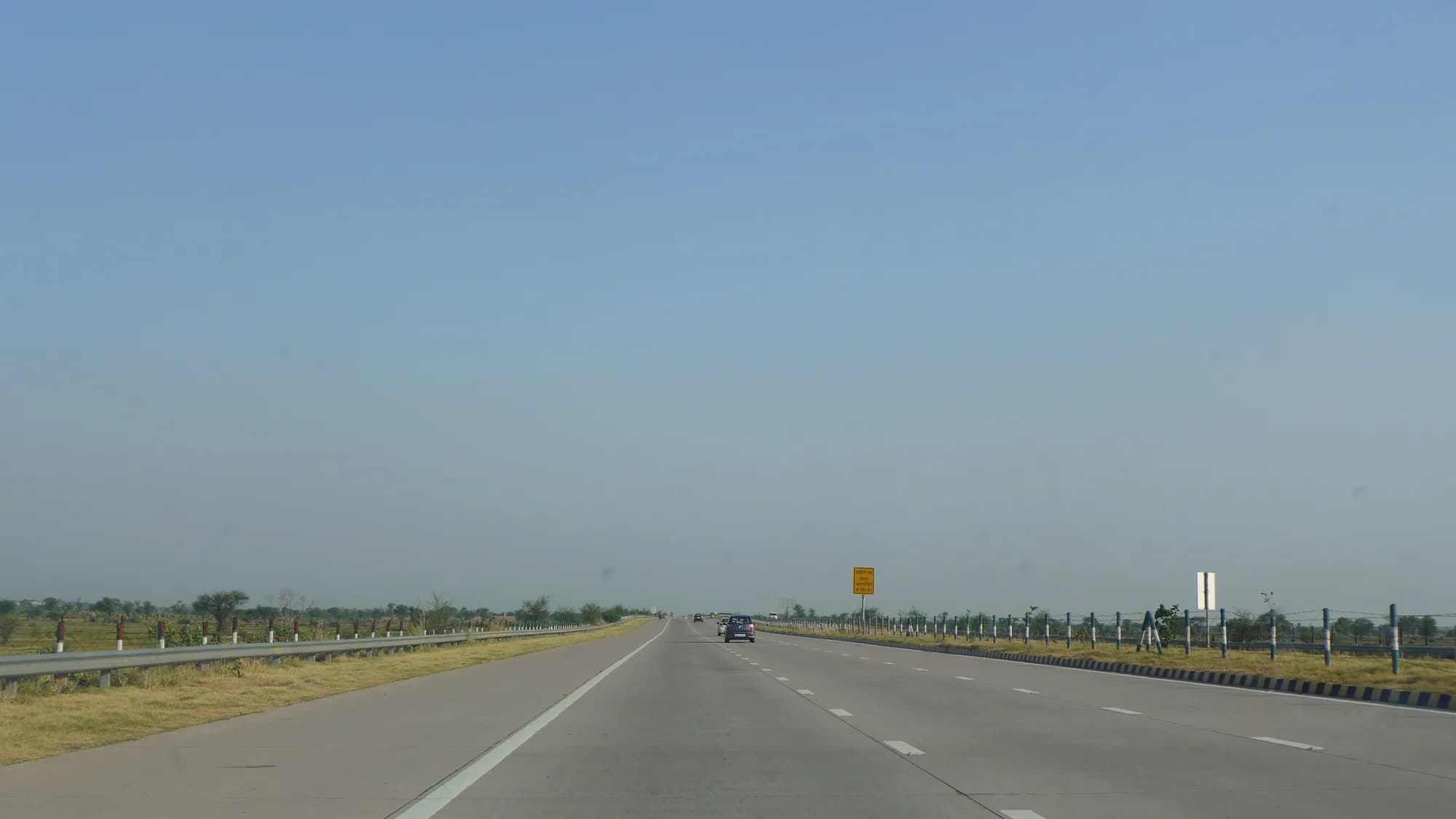
Leave Rohtak on NH9 heading west towards Hisar. The road passes Meham and runs through flat farmland, the "vast fields stretching to the horizon" that the Rohtak page describes. In normal traffic, our route planner put the Hansi stretch at about an hour. Fill up before you leave the city. You'll find pumps along NH9, but there are far fewer once you turn onto the village roads near Rakhigarhi.
Asigarh Fort, Hansi
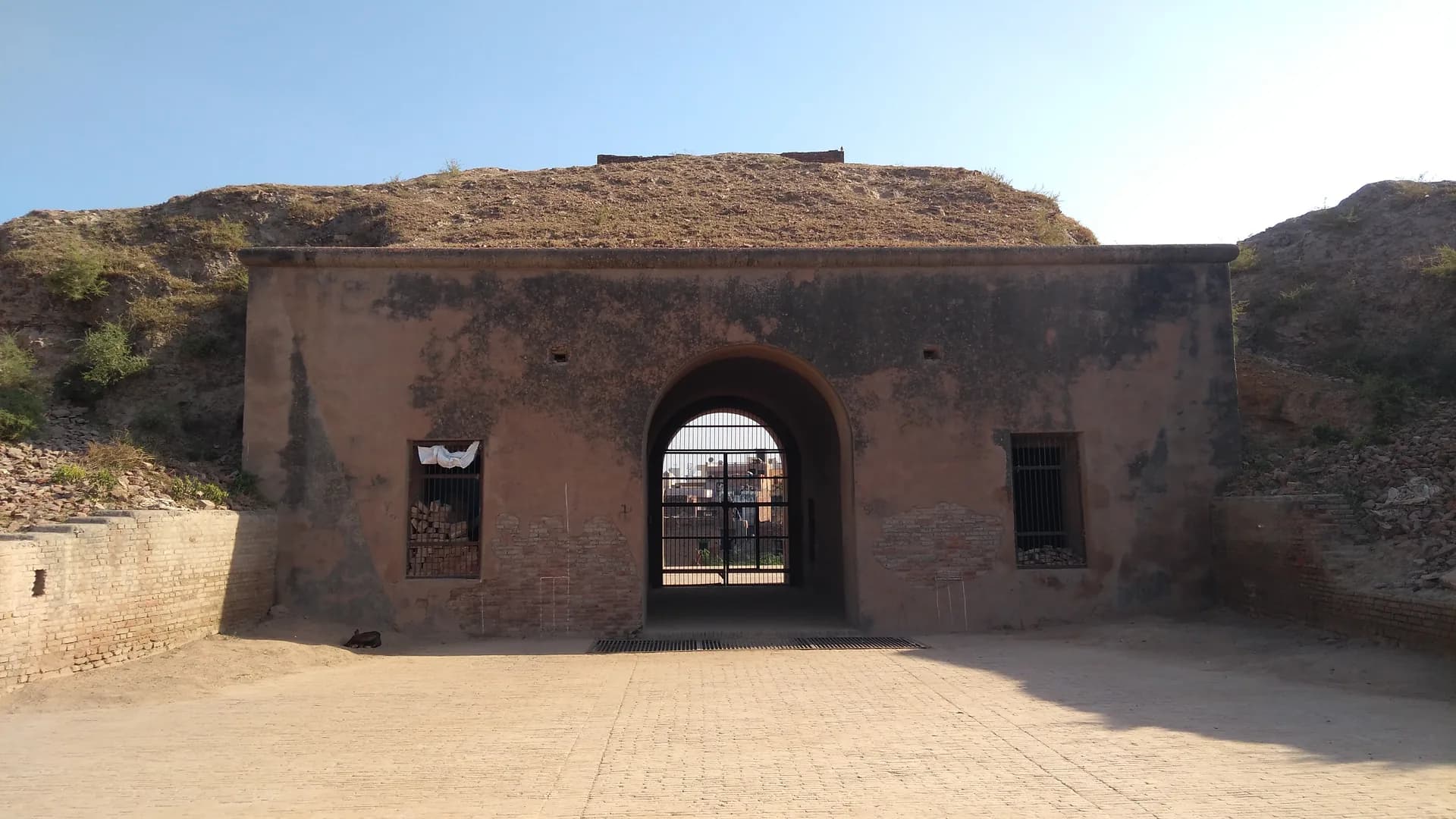
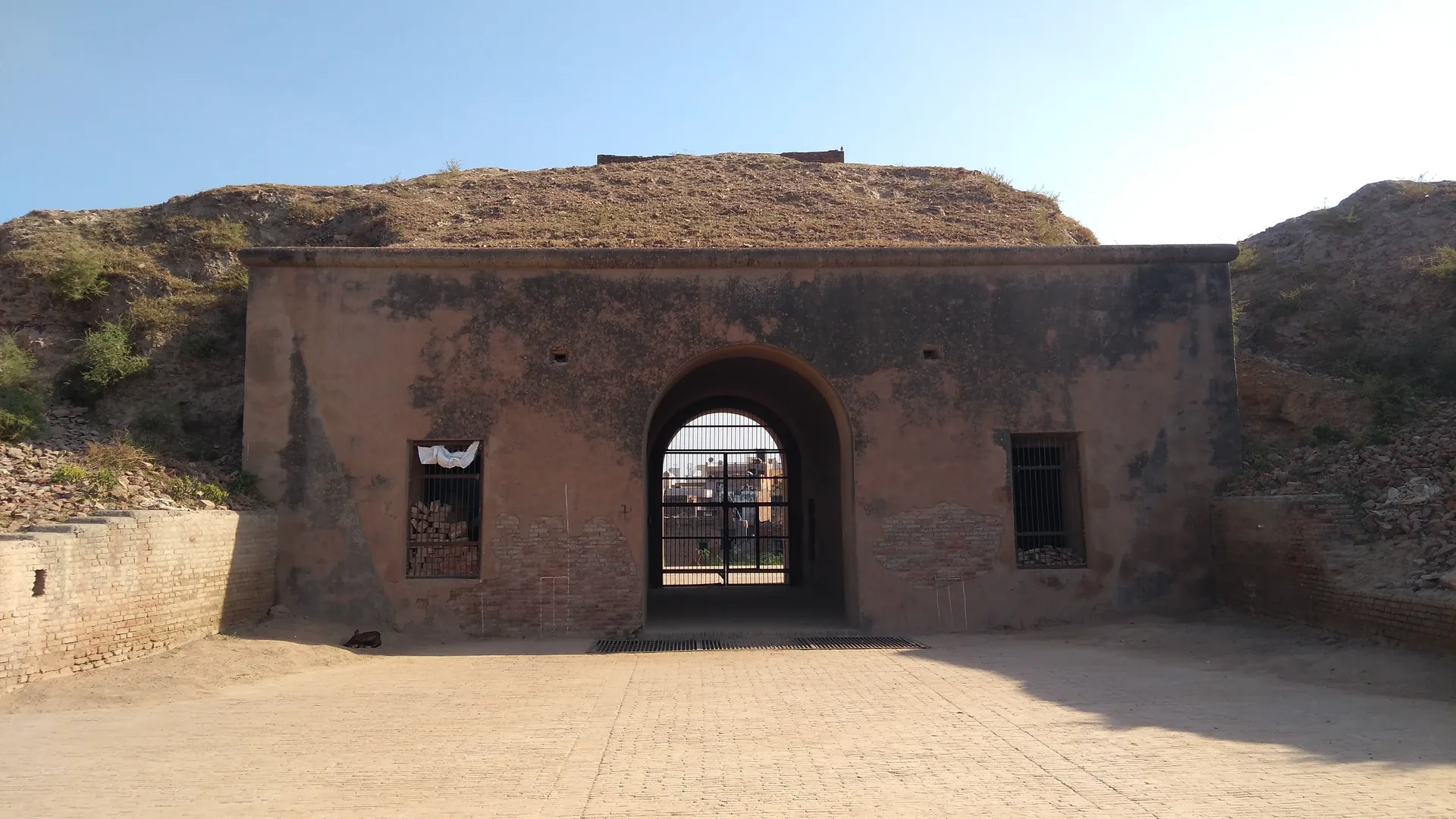
Hansi is about 26 km east of Hisar on NH9 and was once the more important of the two towns. Its fort, Asigarh, stands on the eastern bank of Amti lake and covers about 30 acres. The ASI made it a protected monument in 1937. Local tradition links Hansi's founding to the Tomara king Anangpal, and says his son started a sword-making works inside the walls. That's where the name Asigarh, "fort of swords", comes from. A 1915 local history claimed that around 80 forts in the region were once run from here.
What you see today are tall earthen ramparts, brick walls and an entry gate that Wikipedia credits to George Thomas, the Irish adventurer who made Hansi his capital around 1800. Walk the brick paths inside, climb as far as the barriers allow, and look out over the town. Allow about an hour.
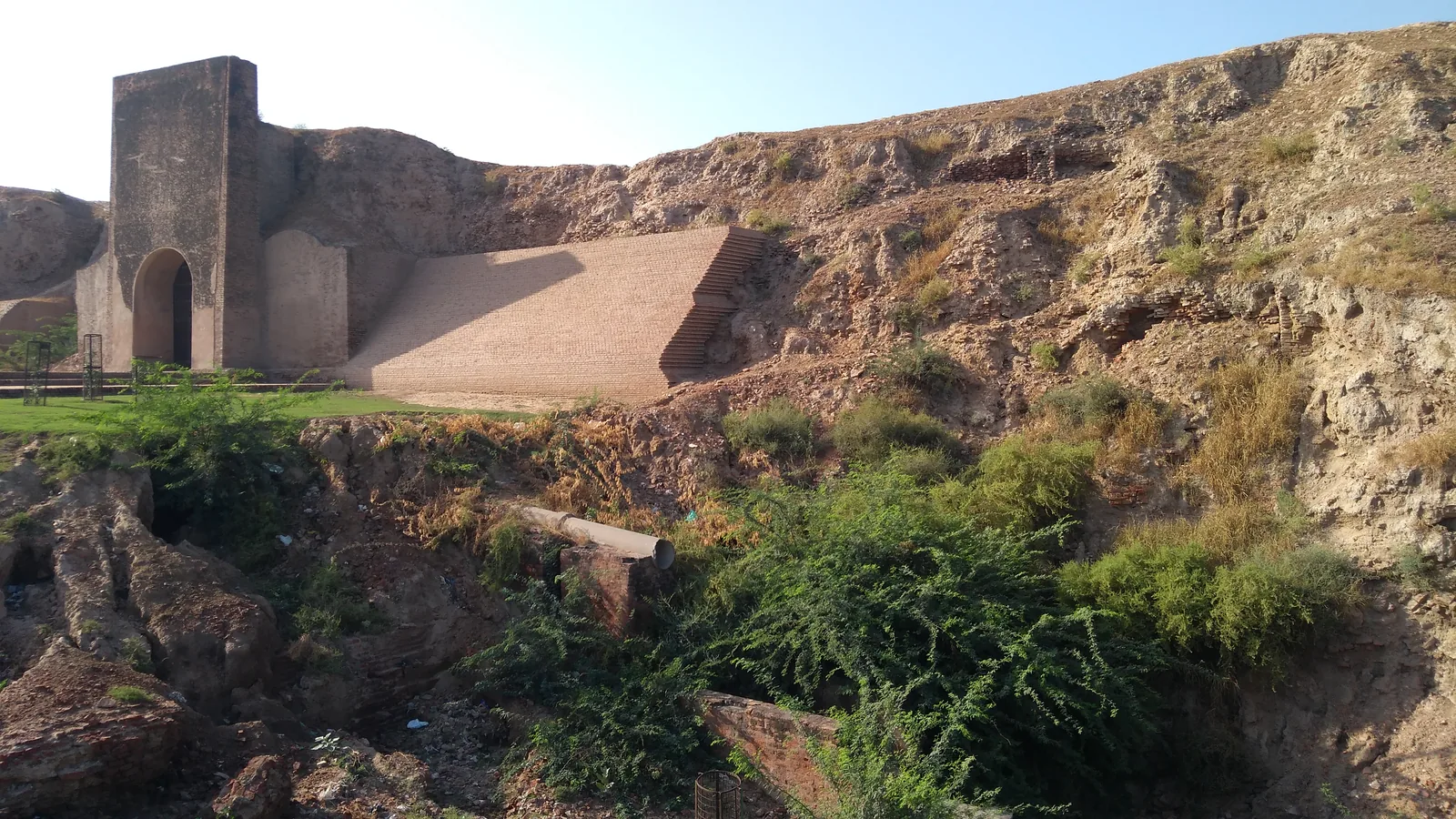
If you have time in town, Hansi had five old gates, and the ASI-protected Barsi Gate on the south side is the most striking. The Baba Jagannathpuri Samadha temple is known for its "floating" banyan, an aerial root that looks as if it hangs in mid-air. Hansi is also famous for its milk peda. Buy a box for the drive.
Hansi to Rakhigarhi (about 32 km)
From Hansi, follow the signs north-east towards Narnaund and Rakhigarhi. Since December 2025, both have been part of the new Hansi district. These are two-lane district roads lined with fields, tractors and the odd buffalo, so slow down near villages and school gates. Use your phone's maps, but check with a local at the last junction. The approach lanes around the mounds are narrow.
Park on the village side of the site, not on the edges of the fields. Then walk. Wear closed shoes, carry water and a hat, and stay off any fenced trench. The ASI only controls part of the land, and some of the mounds have houses and crops on them. Treat them as people's homes and farms.
A realistic one-day timetable
- 7:30 am: pick up your car in Rohtak with a full tank.
- 8:45 am: reach Hansi and have a quick breakfast in town.
- 9:15–10:30 am: Asigarh Fort, then Barsi Gate.
- 10:45 am: peda shopping, then drive towards Narnaund.
- 11:30 am–2:30 pm: Rakhigarhi: walk the mounds, see the museum if it's open, and stop by the lakes and ghats built near the museum road.
- 2:30 pm: late lunch at a dhaba on the way out.
- 4:30 pm: start back towards Rohtak and arrive around 6 pm.
What to book: car rental in Rohtak for this trip
- Car type: NH9 is flat and smooth, but the last few kilometres are village roads. A hatchback is fine for two people. A compact SUV is more comfortable for four, or if you want more ground clearance on rough lanes.
- Unlimited km: the Rohtak page currently lists unlimited km, which suits a 200 km loop. Check this on your booking.
- Fuel: the car comes with limited fuel. Refuel as you go and return it at the agreed level.
- Documents: you need a valid driving licence for the vehicle class and one government photo ID. The minimum age is 21. Digital KYC is done in the app or on the website before pickup.
- Delivery: some Rohtak listings show doorstep delivery within a short radius. Check the listing.
- Reviews: Hire N Ride works like an Airbnb for vehicles. Each car has a profile with reviews, so read them for notes on cleanliness and on-time handovers.
If you'd rather start from the capital, the same loop works with a car from Delhi, though it's a much longer day.
Driving tips for mid-October
- Haze from crop-residue burning can build over Haryana from late October. Check the air quality before you leave, and keep the windows up and the AC on recirculate if it's bad.
- Tractor-trolleys, often without proper lights, are common on village roads at dusk during the harvest. This is a big reason to be back on the highway before dark.
- The Rohtak page warns that winter fog can cut visibility on national highways. It's rare in mid-October, but plan to finish in daylight anyway.
- Don't stop on the NH9 shoulder for photos. Use dhaba car parks or fuel stations.
- Keep your licence, ID and rental papers in the car. Police checks on NH9 are routine.
Common mistakes to avoid
- Expecting Mohenjo-daro-style exposed ruins. Most of Rakhigarhi is still underground.
- Assuming the museum galleries are open without checking first.
- Walking into fenced trenches or across sown fields.
- Leaving Rakhigarhi too late and driving the village roads after dark.
- Skipping Hansi. The fort makes the day.
More heritage drives from Hire N Ride
If you like old Haryana, try our Kurukshetra day on the GT Road, which covers Brahma Sarovar, Jyotisar and Sheikh Chilli's Tomb. Bird lovers can read our guide to Sultanpur and Farrukhnagar, where the winter ducks are arriving now.
Conclusion: walk on the oldest streets in Haryana
Rakhigarhi isn't a polished monument. It's a village on top of a five-thousand-year-old city, and that's what makes it moving. Pair it with the ramparts of Asigarh and a box of Hansi peda, and you have a heritage day that few people in Rohtak have tried. Go in October, before the diggers return, and you'll often have the mounds almost to yourself.
Plan your Rakhigarhi day now: book a car rental in Rohtak, check the listing details, and set off early.
About the author: Nitin Kanish writes self-drive and heritage route guides for Hire N Ride. He focuses on lesser-known day trips in north India and on the practical details, like fuel, timings and road conditions, that make a rental day go smoothly.


_Burial_from_Rakhigarhi.jpg)
