By Nitin Kanish · 10 October 2026
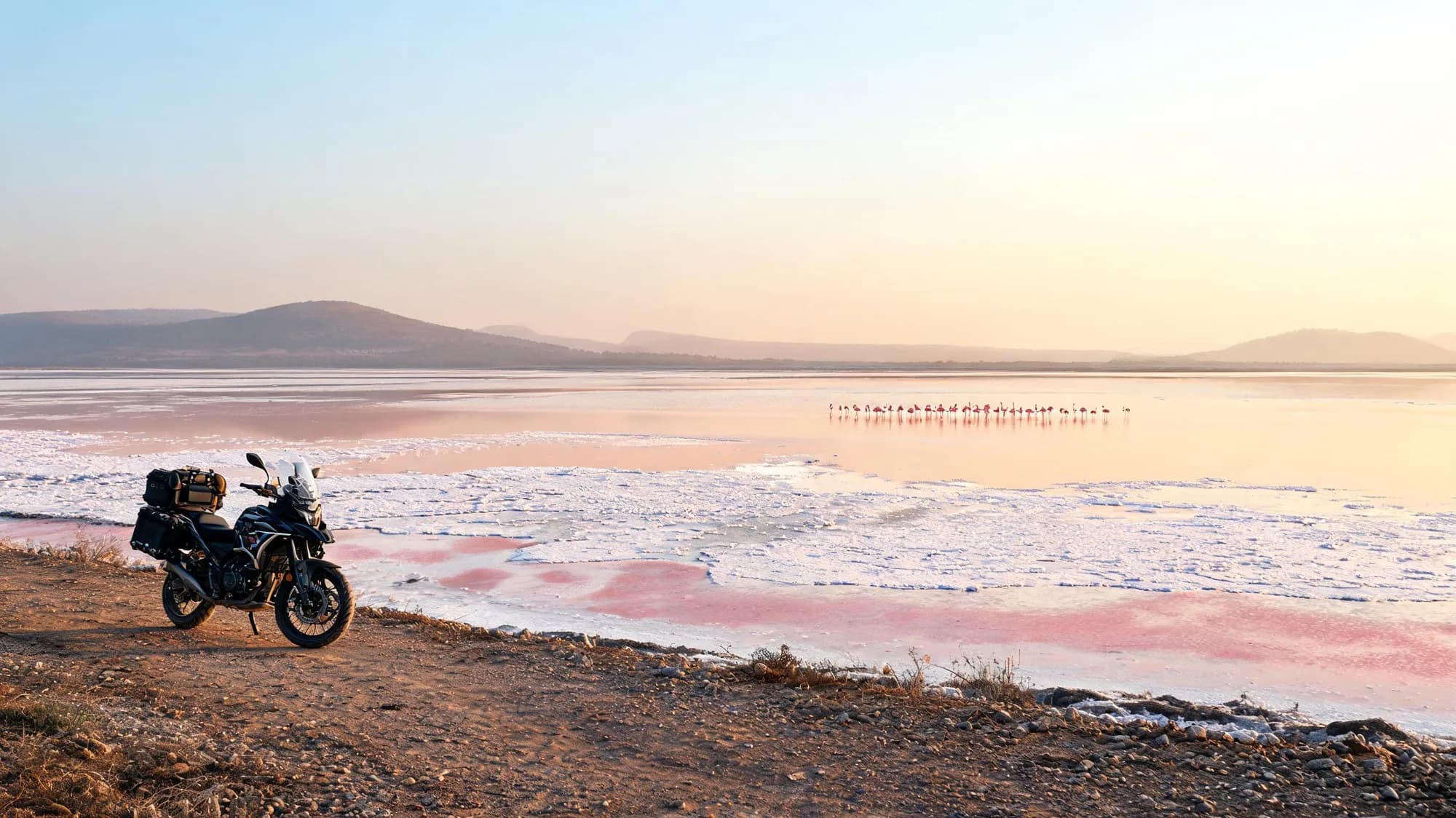
Most bike days out of Jaipur head north to the forts on the Aravalli ridge. Ride west instead, and the land flattens, the traffic thins and, after about an hour and a half, the horizon turns white. This is Sambhar, India's largest inland salt lake, a place that has been making salt for around a thousand years and that fills with winter birds when the water is right. With a bike rental in Jaipur, it makes a calm, wide-open morning ride that feels nothing like the city you left at dawn.
This guide is for riders planning the trip, and for Jaipur bike owners who want to know what weekend renters are looking for.
Key Takeaways
- What it is: Sambhar is India's largest inland salt lake and a Ramsar wetland of international importance, designated in 1990.
- Distance: open-source routing (OSRM) puts central Jaipur to Sambhar town at about 72 km. Allow around 1.5 to 2 hours each way on a bike, with stops.
- Best time: leave early. Mornings are cooler, the light on the salt flats is soft and the roads are quieter.
- Must-sees: the open salt flats, the hilltop Shakambhari Mata temple, the Devyani temple and the salt works around town.
- Book: pick a bike on the Jaipur bike rental page.
Why Sambhar is worth a ride
Sambhar is not a lake in the usual sense. According to Wikipedia's Sambhar Salt Lake entry, it is a playa, a seasonal lake with a flat bottom, and the largest playa in the Thar Desert. Its water is three to four times saltier than the sea. Depth changes with the seasons, from as little as about 60 centimetres in the dry months to around 3 metres at the end of the monsoon, and its area rises and falls with it. The lake is roughly 35 km long and is ringed by low Aravalli hills.
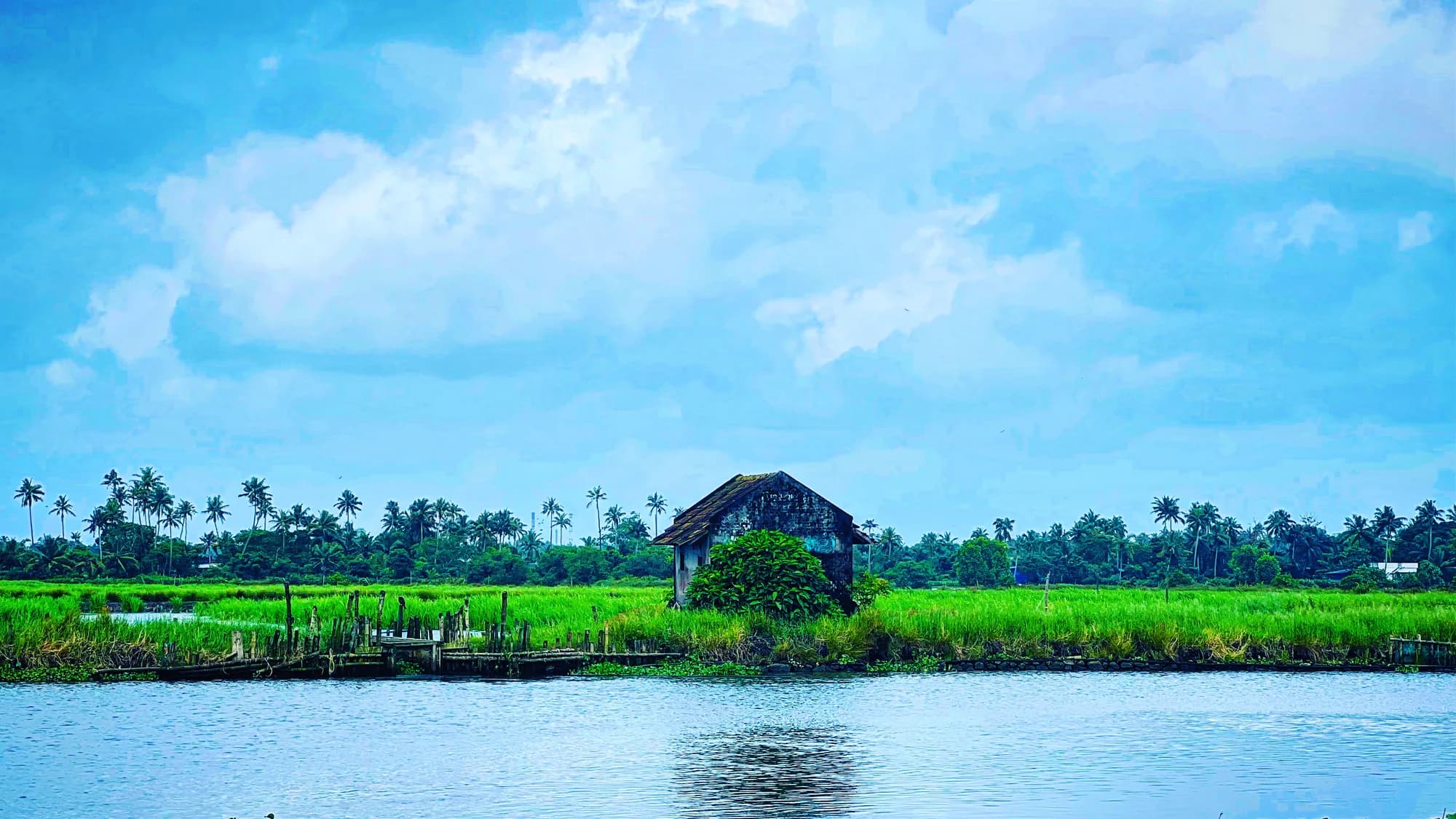
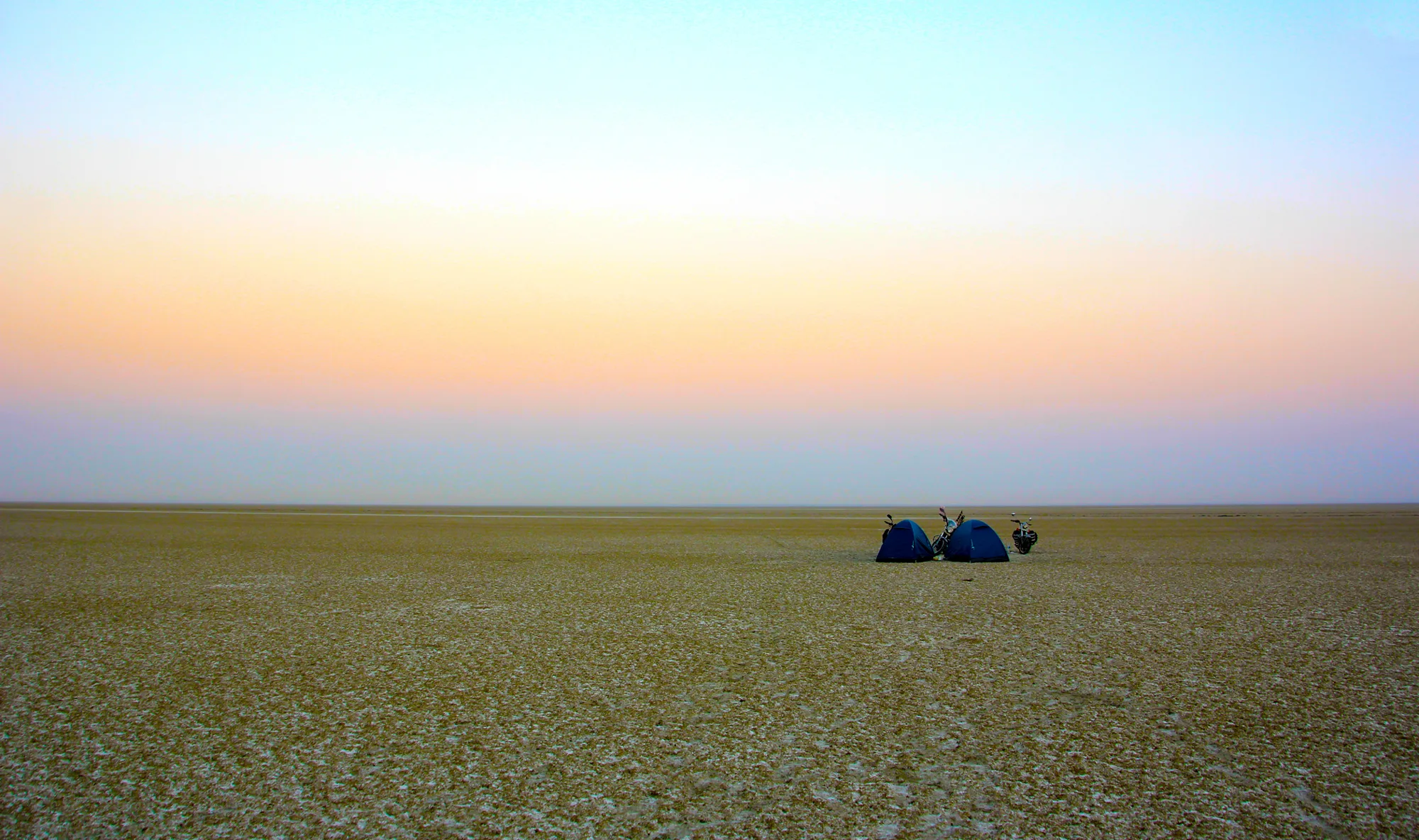
That makes every visit a little different. Soon after the monsoon, you may find shallow sheets of water reflecting the sky. Later in the dry season, much of the bed becomes a cracked, glittering plain of salt that looks almost like snow in the early light. Either way, the scale is the reason to come. There are very few places within a morning's ride of Jaipur where you can stand and see nothing but flat land and sky in front of you.
Sambhar is also a working landscape. A 5.1 km sandstone dam divides the lake, and to the east of it lie salt evaporation ponds, canals and pans where salt has been farmed for centuries. Wikipedia notes that the lake is the source of most of Rajasthan's salt. A British-era railway line still runs out towards the salt works. You will see workers, trucks and heaps of drying salt around town, which is part of the experience.
The ride from Jaipur
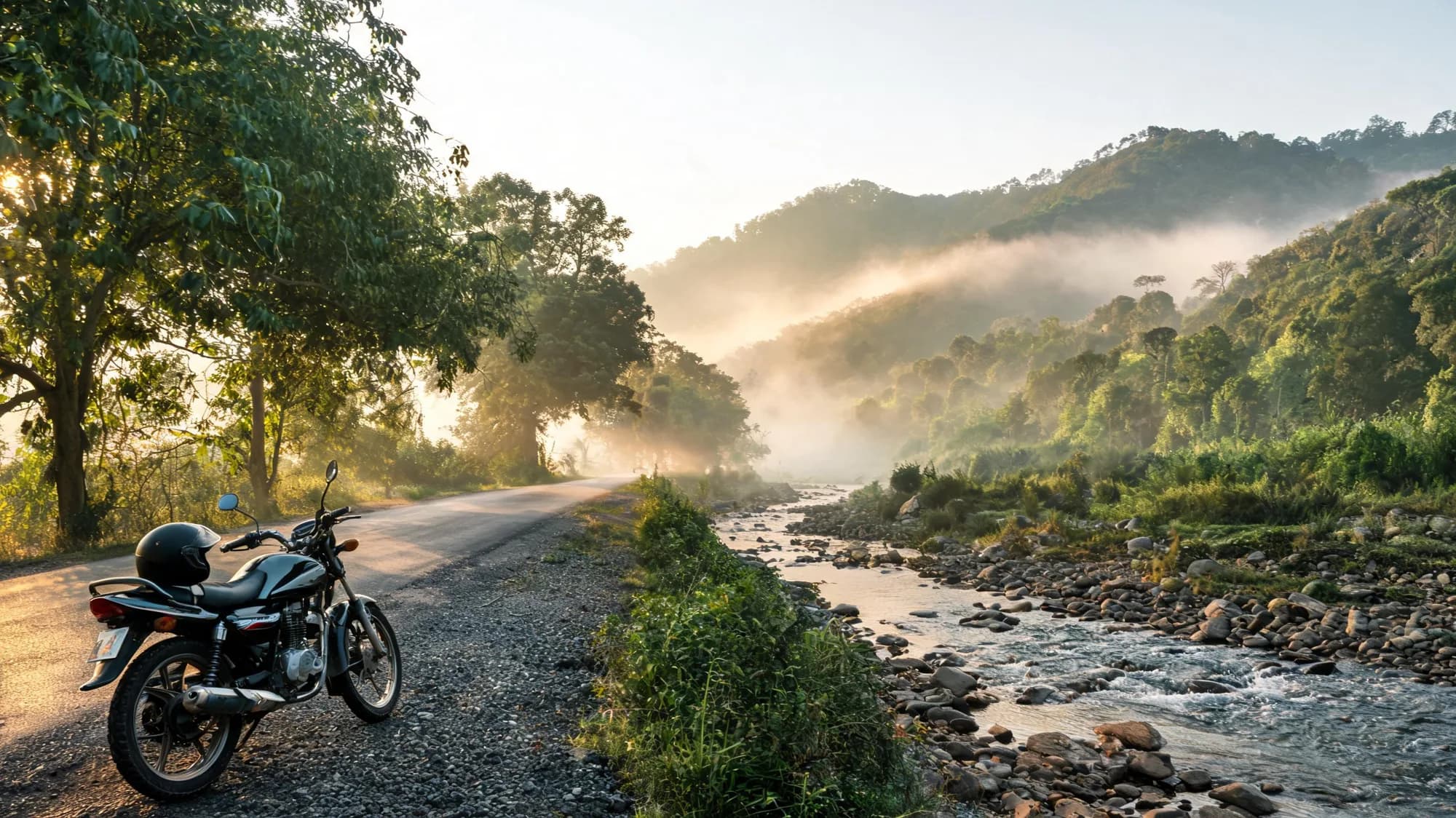
The route is simple and mostly flat. Head west out of Jaipur towards Ajmer Road, then follow the signs for Phulera and Sambhar. OSRM routing gives about 72 km from the city centre to Sambhar town. A car might do it in just over an hour in clear traffic, but on a bike it is better to plan for 1.5 to 2 hours with a tea stop.
The first part runs through the busy western edge of the city, so leave before the morning traffic builds. The highway section is wide but carries heavy trucks and buses. Ride in the left lane, keep a safe gap and watch for vehicles entering from side roads and dhabas. Once you leave the main highway, the roads become rural and much quieter, with villages, fields, camels, cattle and the occasional tractor. These are easy, relaxed kilometres, but expect speed breakers and patches of rough surface near villages.
If you have not ridden around Jaipur before, a shorter warm-up such as our guide to riding the ridge to Amer and Nahargarh is a good way to get used to the bike and city traffic first.
What to see around the lake
The salt flats
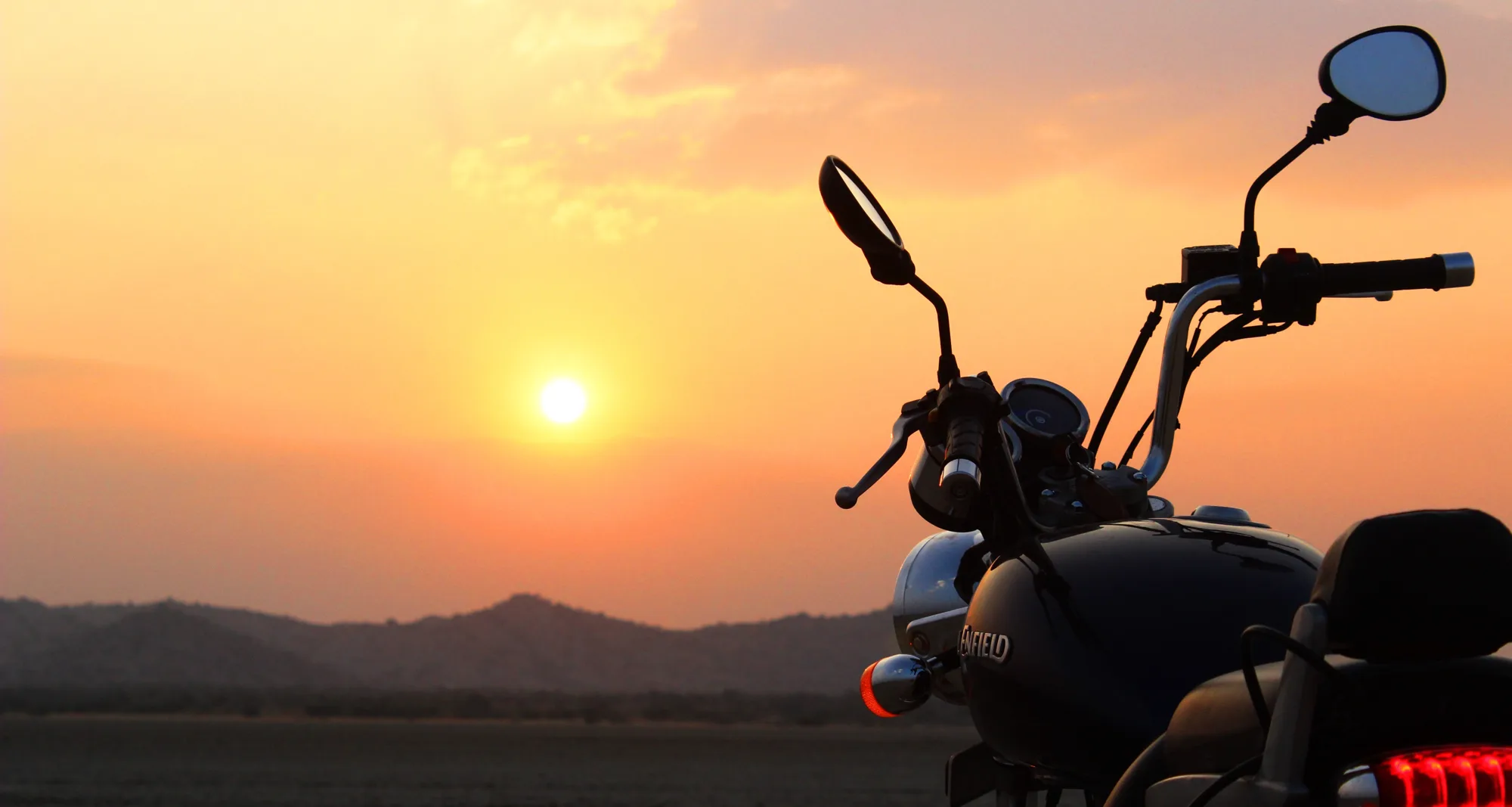
The open lake bed is the main attraction. Find a safe place to park on firm ground near the edge of town and walk out a little way for the view. Sunrise and the hour after it are the most photogenic, when the salt picks up pink and gold tones. At sunset, the flat horizon makes the sun look enormous.
Be careful about riding onto the lake bed itself. After the monsoon, parts of it can stay wet and soft under a dry-looking crust, and a bike can sink quickly. Salt is also hard on chains, brakes and paint. Stay on established tracks, do not enter fenced salt pans or working areas, and if in doubt, park and walk.
Shakambhari Mata temple
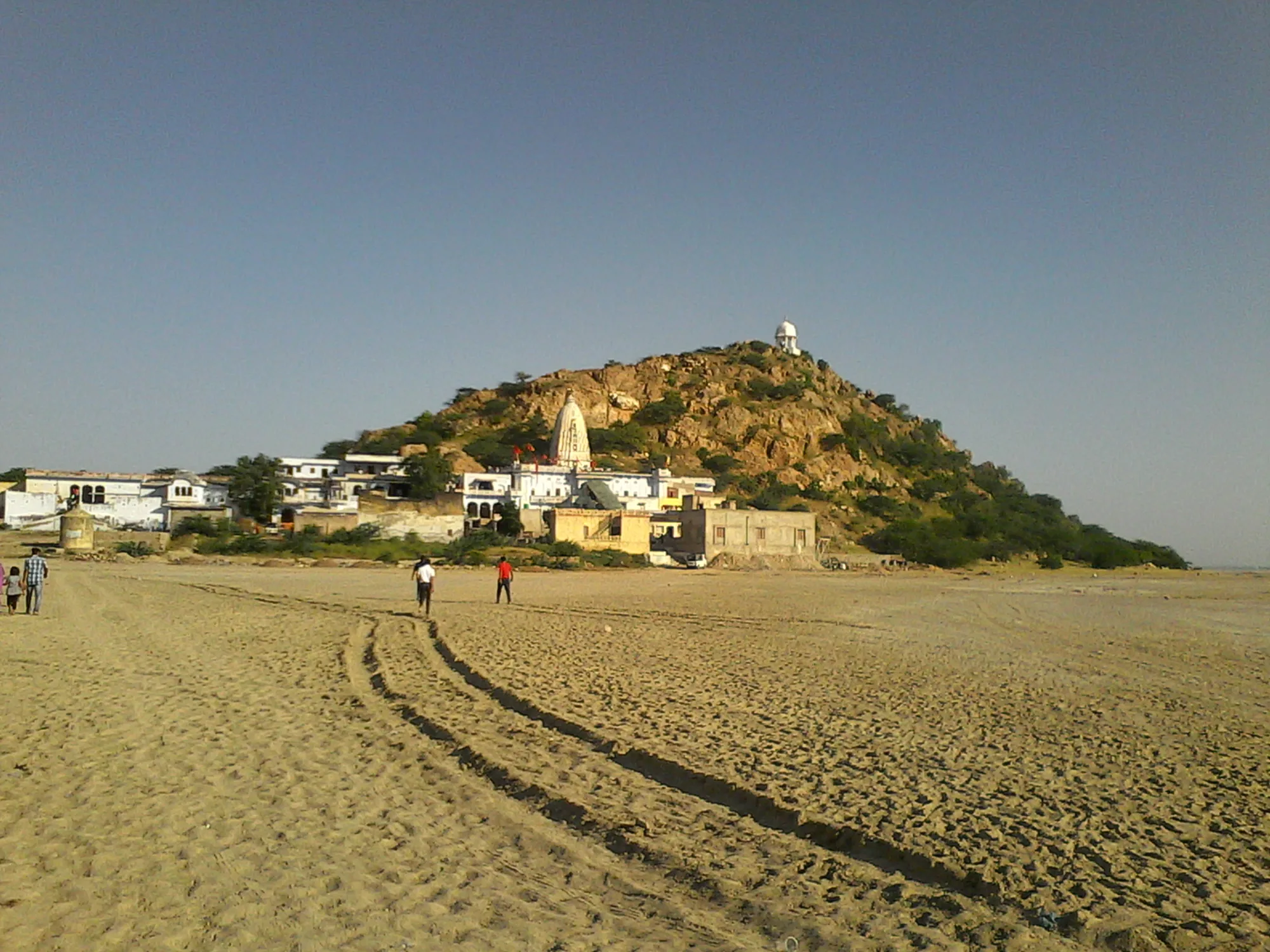
The lake takes its name from the goddess Shakambhari, a form of Durga and the protective deity of the Chauhan Rajputs. Local legend says she turned a forest into a plain of silver, or of jewels, and then into salt so that the riches would not cause conflict. Her temple stands on a rocky hill beside the lake bed, and the climb up gives a wide view over the salt and the surrounding countryside. Dress modestly and leave your shoes where asked.
Devyani and Sambhar town
Sambhar also appears in old stories. The Mahabharata and the Bhagavata Purana describe the town as the capital of the king Vrishparva, and it is linked with the tale of Devayani, the daughter of the sage Shukracharya, who married King Yayati. A temple near the lake is dedicated to her and is a quiet stop on the way in or out. The old town itself, with its narrow lanes and havelis, has appeared in several Hindi films, including Delhi-6 and PK, and is pleasant to explore slowly on foot.
Birds on the water
Sambhar is an important wintering ground for migratory waterbirds, and its Ramsar listing reflects that. In good years it draws large numbers of greater and lesser flamingos. Their presence depends on water levels and the algae in the lake, so sightings vary from season to season and are not guaranteed, especially early in the winter. You may also see waders, ducks and birds of prey over the flats. Bring binoculars, keep your distance and never chase birds for a photo.
It is also worth knowing that the lake faces real pressure. Wikipedia records mass bird deaths from avian botulism in 2019 and 2024, along with problems caused by illegal borewells and salt pans. Visiting respectfully, staying on paths and taking your litter home all help.
A simple plan for the day
- Early morning: leave Jaipur at first light, when the highway is calmer and the air is cool.
- Breakfast: stop for tea and a snack at a busy dhaba on the way, or in Sambhar town.
- Mid-morning: walk out to view the salt flats, then climb to the Shakambhari Mata temple.
- Late morning: visit the Devyani temple and wander through the old town and past the salt works.
- Early afternoon: ride back before the heat and afternoon traffic, or stay on for sunset if you are comfortable riding a short distance after dark.
Riding back at night is not ideal on rural roads, because of unlit vehicles, animals and trucks. If you want the sunset, plan your return route carefully or consider staying overnight nearby.
Riding tips for Sambhar
- Check the bike before you leave. Look at tyre pressure, brakes, chain and lights, and note the fuel level. Fill up in Jaipur so you are not hunting for fuel later.
- Wear proper gear. A full-face helmet, gloves and a jacket are worth it on the highway, and both rider and pillion must wear helmets.
- Protect yourself from glare. The white salt reflects strong light. Sunglasses, sunscreen and a cap for walking are essential, even in October.
- Carry water. There is little shade on the flats, and it can be warm by late morning.
- Rinse off the salt. If the bike picks up salt or mud, mention it at return and wash it as advised by the host.
- Respect working areas. Salt pans and works are private and active. Do not enter fenced areas or ride on the pans.
- Keep the drone at home. Check local rules before flying anything, and never fly near birds.
Why a rental bike suits this trip
Buses and trains do reach the area, but they will not take you to the edge of the flats at sunrise or let you hop between the temple, the old town and the salt works at your own pace. A bike gives you that freedom, uses little fuel on a flat route and is easy to park in narrow town lanes.
On Hire N Ride, you book directly from local hosts with public profiles and reviews, so you can see how other riders rated the bike and the handover. Think of it as Airbnb for vehicles, with options from scooters to comfortable highway bikes. You may also compare platforms such as Zoomcar. Whichever you choose, read the reviews, check the fuel and deposit policy and inspect the bike before you ride away.
Ready for an early start? Choose your bike on the Jaipur bike rental page.
For Jaipur bike owners: earn from day rides
Jaipur riders often want a bike for short escapes like Sambhar, Amer or the step wells east of the city, and they look for well-maintained bikes, clear handovers and good reviews. For a longer drive in that direction, see our guide to Chand Baori at Abhaneri. If you own a bike in Jaipur, you can list it on Hire N Ride and build a host profile. Each good trip adds reviews, and more reviews help you win more bookings.
Hire N Ride also helps you run the business side. We support vehicle surveys and GPS management, and send reminders for insurance renewal, PUC certificates, RC, permit expiry and servicing, so your bike stays compliant and ready for the next rider. When you are ready, list your vehicle on Hire N Ride.
Conclusion
Sambhar shows a completely different side of Jaipur's surroundings: no forts or crowds, just salt, sky, a hilltop temple and old stories. It is about 72 km away on easy, mostly flat roads, which makes it an ideal half-day or full-day ride. Leave early, stay on firm ground, carry water and sunglasses, and take your time in the old town. With a bike rental in Jaipur, the whole morning runs on your schedule.
About the author
Nitin Kanish writes travel guides for Hire N Ride, focusing on practical rides and drives from the cities where Hire N Ride hosts operate and on helping vehicle owners grow their rental business.
Banner image: AI-generated with Imagine.art. Photos are credited in the captions. Lake facts are from Wikipedia and the Ramsar Sites Information Service; distances are from OSRM routing. Check road conditions, temple timings and local rules before you travel.